

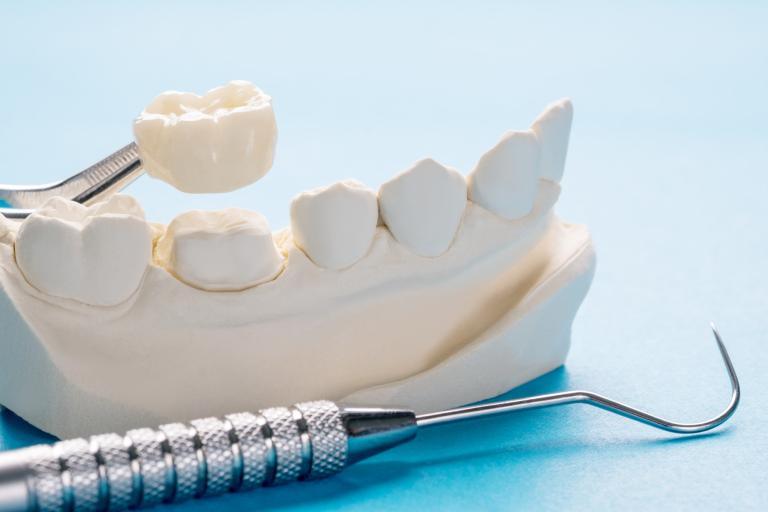
Dental crowns serve as protective caps that restore damaged teeth to their original function and appearance. These restorations typically last many years with proper care, but they don’t last forever. Understanding when crowns need replacement and how to maintain them can help you preserve your oral health and avoid unexpected dental procedures.
Exploring Dental Crowns
Several indicators suggest your crowns may require replacement. Pain or sensitivity around the crowned tooth often signals underlying problems. This discomfort may indicate decay beneath the crown, a loose crown, or damage to the underlying tooth structure.
Visible damage to the crown itself presents another clear replacement indicator. Cracks, chips, or worn areas compromise the crown’s protective function and can harbor bacteria. Metal crowns may show signs of corrosion, while porcelain crowns might develop hairline fractures or chipped edges.
If you notice your crown feels different when you bite down or if you can move it with your tongue, schedule a dental appointment promptly. Loose crowns can fall out entirely or allow bacteria to enter the space between the crown and your natural tooth. This issue requires the immediate attention of your dentist.
Utilizing Proper Maintenance
Maintaining your dental crowns requires consistent oral hygiene practices similar to caring for natural teeth. Brush twice daily using fluoride toothpaste and a soft-bristled toothbrush. Pay special attention to the area where the crown meets your gum line, as plaque and bacteria can accumulate in this junction.
Daily flossing remains necessary for crowned teeth. Use gentle motions when flossing around crowns to avoid dislodging them. Water flossers can provide an alternative cleaning method for those who find traditional flossing difficult around crowns. Certain habits can damage crowns and shorten their lifespan. Avoid chewing ice, hard candies, or other extremely hard substances.
Night grinding or clenching, known as bruxism, can significantly damage crowns. If you grind your teeth during sleep, discuss getting a night guard with your dentist. This protective device can prevent excessive wear on your crowns and natural teeth. Regular dental checkups and professional cleanings help maintain crown integrity. Your dentist can identify potential problems early and address them before they require crown replacement.
Getting Professional Care
Professional dental care plays a role in crown longevity. During routine examinations, your dentist examines crowns for signs of wear, damage, or loosening. X-rays can reveal decay or other problems beneath the crown that aren’t visible during visual examination. Professional cleanings remove plaque and tartar buildup that regular brushing and flossing might miss. The dental hygienist can clean around crown margins where bacteria commonly accumulate.
If you experience any discomfort, sensitivity, or changes with your crowned tooth, schedule an appointment promptly rather than waiting for your next routine visit. Early intervention can often address minor problems before they require crown replacement. Your dentist may recommend specific products or techniques based on your individual crown type and oral health needs. Different crown materials may benefit from particular care approaches or cleaning products.
Find a Dentist
Dental crowns represent a significant investment in your oral health. Proper maintenance and timely professional care can help you get the maximum benefit from this investment. By following appropriate care techniques and recognizing replacement indicators early, you can maintain optimal oral health and function. Regular monitoring, combined with excellent daily care, gives your crowns the best chance for long-term success.