

Mycotoxin illness is a condition caused by exposure to toxic substances produced by certain types of mold. These microscopic compounds can be present in the environment, and understanding where they come from, their effects, and how to avoid them can be helpful. While molds are a natural part of the environment, some species produce mycotoxins that can lead to health issues in susceptible individuals.
Mycotoxins Originate from Mold
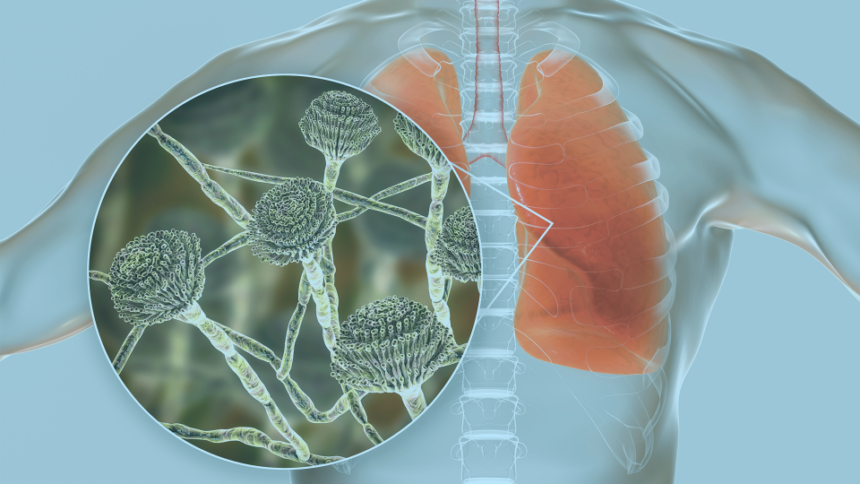
Mycotoxins are toxic substances produced by certain types of mold. Molds release these chemicals under certain conditions, such as high temperature and humidity, and they are not the mold spores themselves. This distinction is necessary because these invisible compounds are the main health concern.
Some known mycotoxins include types like aflatoxins and ochratoxin A. Various mold species, such as Aspergillus and Stachybotrys, produce these toxins. These molds can grow on many surfaces, including building materials and food, and release mycotoxins as they grow.
Symptoms Often Overlap Illnesses
The symptoms of mycotoxin illness are often vague and can be easily mistaken for other common health problems. Because of this, a medical evaluation is necessary for an accurate diagnosis. Commonly reported symptoms include:
- Fatigue
- Brain fog
- Respiratory problems
- Digestive issues
Exposure Commonly Occurs Indoors
While mycotoxins can be found in contaminated food, a common route of exposure for many people is through indoor air. Buildings with water damage provide an ideal environment for mold growth, and once established, mold colonies can release mycotoxins into the air. These toxins can then be inhaled or settle on surfaces. Common sources of moisture that promote mold growth include:
- Leaky pipes or roofs
- Flooding events
- Poorly ventilated areas like basements and bathrooms
Recovery Requires Time and Care
Addressing mycotoxin-related health concerns starts with removing the source of exposure. Professional mold remediation is the first step, as ongoing exposure delays progress. Recovery is often gradual and requires patience. Qualified professionals can offer personalized guidance to support the body’s return to balance and overall wellness.
Prevention Depends on Clean Environments
A clean environment is key to reducing the risk of mold growth and mycotoxin exposure. Regular cleaning helps remove dust, organic matter, and moisture where mold often grows. Simple habits like cleaning up spills, removing visible mold, and getting rid of damp items can make a big difference.
Good ventilation is also beneficial in areas like bathrooms, kitchens, and laundry rooms to keep them dry. Keeping these spaces clutter-free limits places where mold can hide. Practicing good hygiene and keeping your home and workplace clean can help prevent mold.
Protect Yourself from Mycotoxin Illness
Preventing mycotoxin exposure starts with keeping your space dry and clean. Check for any signs of water damage, such as leaks or musty odors, and fix them promptly. Make sure your home has good airflow, especially in areas that tend to get damp, such as the kitchen and bathroom. Keeping your indoor environment dry makes it harder for mold to grow. If you’re concerned, you can also get advice from health or building experts to keep your home and workplace safe.