

Varicose veins are swollen, twisted veins that form just beneath the skin’s surface. They may appear in the legs and happen when blood pools instead of flowing smoothly to the heart. Some people don’t experience any discomfort, but others may notice symptoms that affect their comfort and well-being. Recognizing the following symptoms may help you decide if you need to see a healthcare professional:
Bulging Veins Under Skin
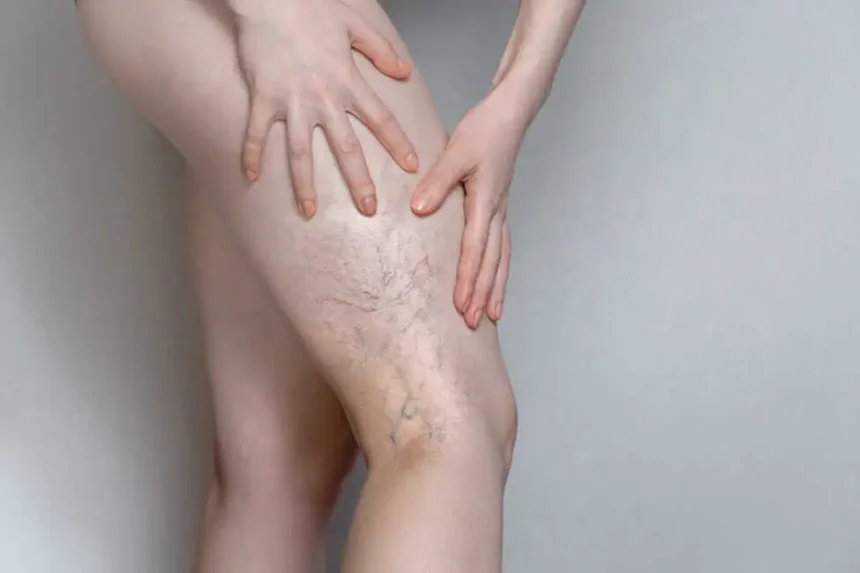
One sign of varicose veins is the appearance of bulging veins. These veins are often raised, making them easy to see and feel under the skin. They may have a knotted or rope-like texture. People with this symptom often notice that the veins become more prominent after standing for a long time or during physical activity.
In some cases, leg swelling may occur alongside bulging veins, although overweight individuals might not notice it. When symptoms are mild, they might go unnoticed, but over time, the veins can thicken or appear larger, indicating progression. Regularly examining your legs may help you detect bulging veins early and before pain begins.
Itching and Burning Skin
Itching and burning sensations near the affected veins are also symptoms of varicose veins. These symptoms often develop due to inflammation or dryness in the skin surrounding the damaged veins. The sensation can be mild and intermittent or constant and irritating. It may also lead to the urge to scratch, but further scratching risks damaging the surface of the skin. If you experience these symptoms without a visible vein, they may still point to underlying vein problems. Practicing consistent skincare, wearing loose clothing, and avoiding prolonged physical strain may help manage irritation temporarily.
Twisting and Discolored Veins
Twisting veins, which appear tangled or corkscrew-like, can accompany changes in vein color. These veins may turn blue, purple, or green, creating a striking contrast against your skin tone. The degree of discoloration will vary depending on factors such as skin pigmentation and the severity of the vein damage.
Unlike bulging veins, twisted veins may lie closer to the skin’s surface and be painless to the touch. Despite their lack of pain, they are still indicators of vein function issues. Alongside discoloration, other symptoms, such as heaviness in the legs, may gradually appear throughout the day.
Monitoring vein changes is a proactive approach to identifying issues. If twisted, discolored veins cover large areas or if the discoloration begins to spread, these may suggest that deeper veins are also affected. Being aware of these physical changes allows you to stay informed about your vein health.
Get Treated for Varicose Veins
Living with varicose veins does not mean living with discomfort. If you notice bulging veins, persistent itching, or twisting, discolored veins, it’s time to involve a medical professional. Early treatment often helps reduce the risk of complications like infections. To determine the right course of action, speak to a vein specialist. They may offer a range of solutions, from non-invasive procedures to lifestyle adjustments designed to alleviate symptoms. If you have observed any of the signs mentioned, reach out to a healthcare provider today to explore available options for evaluation and management.