


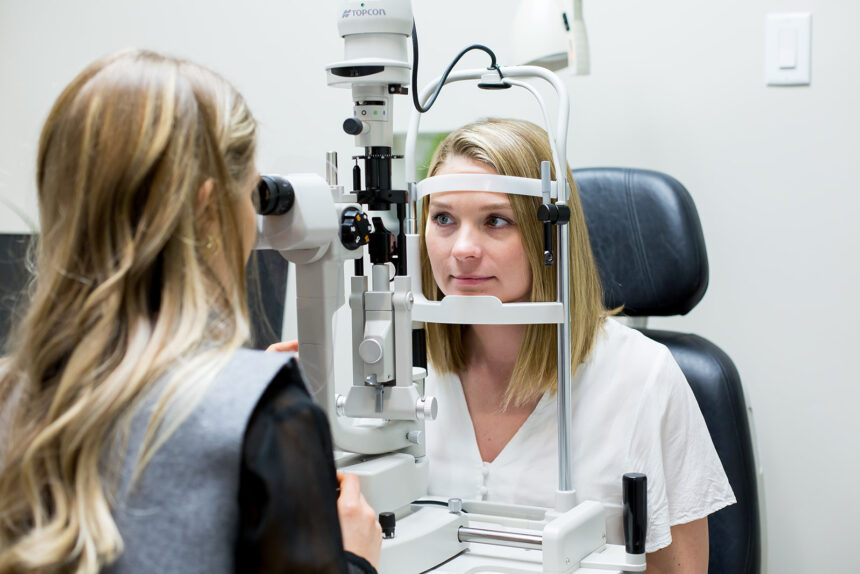
Regular eye exams are a standard part of maintaining your overall health, and they can detect several hidden issues. These appointments involve tests performed by an eye care professional to evaluate your vision and check for eye diseases. Understanding what happens during these exams can help you be more prepared for your next visit. Here is more information about what to expect at your next exam:
Visual Acuity Test
The visual acuity test is a standard part of most eye exams, and it measures the clarity of your vision from a distance. You will typically read letters from a standardized chart, which helps the doctor determine how well you can see. With this simple test, you can provide a baseline measurement of your sight.
It is an effective way to identify potential vision issues. While the test is simple, it plays a key role in assessing your overall eye health. You can find any irregularities, and your eye care professional will recommend the appropriate solutions.
Periodic Eye Pressure Exams
An eye pressure test checks for signs of glaucoma, so the doctor will use a tonometer to measure the fluid pressure inside your eyes. The test itself is typically quick. By detecting changes in intraocular pressure, you can monitor your eye health over time.
Optic Nerve Evaluation
To assess eye health, evaluating the optic nerve is a routine part of comprehensive eye exams. This nerve sends visual information from your eye to your brain, and the doctor will look at it using special instruments after your pupils have been dilated. This dilation may provide a clearer and more complete view of the back of your eye.
The doctor may use a special magnifying lens or a camera to get a detailed image of the optic nerve. This helps them look for any abnormalities or signs of damage that might not be visible otherwise. While the process is painless, eye drops may cause temporary light sensitivity and blurred vision.
Since a healthy optic nerve has a specific appearance, any deviation from this norm will be noted in your file. Comparing images of your optic nerve from one exam to the next allows the doctor to track subtle changes over time. Consistent monitoring helps detect conditions early that could affect your vision.
Initial Refraction Exam
A refraction test determines your exact eyewear prescription. The optometrist will use a device called a phoropter while you look through it at an eye chart, and you may be asked which of two lenses makes the letters appear clearer. With your responses, the doctor can fine-tune the power of the lens required to correct your vision. The refraction test also determines the extent of any:
- Nearsightedness
- Farsightedness
- Astigmatism
This test is subjective, so your active participation helps produce an accurate prescription. Based on your answers, the doctor calculates the precise measurements for your glasses or contact lenses. The result is a prescription that is adjusted specifically to your visual needs.
Schedule Eye Exams Today
Regularly scheduled eye exams provide a detailed picture of your eye health. These appointments offer a way to track your vision and screen for potential issues over the years, which is a practical step for long-term care. If it has been a while since your last appointment, book your next eye exam with an eye specialist today.