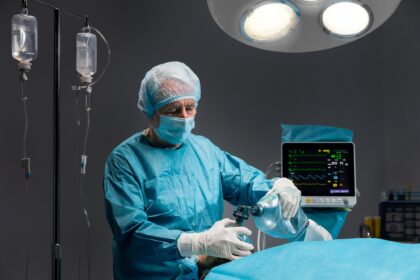



The emergency room serves as the primary point of care for patients experiencing seizures. Medical professionals in these settings follow specific protocols to stabilize patients, identify underlying causes, and determine appropriate treatment paths. Understanding these procedures can help patients and families know what to expect during a seizure-related visit.
Performing Initial Assessment
Emergency room staff begin with primary assessment protocols when a seizure patient arrives. Medical professionals check vital signs, including heart rate, blood pressure, breathing patterns, and oxygen levels. They establish intravenous access to administer medications if needed and monitor the patient’s neurological status.
If a patient continues to seize upon arrival, medical staff administer anti-seizure medications. Common medications used in emergency settings include lorazepam, diazepam, or phenytoin. The medical team positions the patient safely to prevent injury and maintains airway clearance. They also check blood glucose levels, as low blood sugar can trigger seizures and require immediate correction.
Exploring Diagnostic Testing
Emergency room physicians order specific tests to identify potential causes of the seizure. Blood tests typically include complete blood count, comprehensive metabolic panel, and liver function tests. These tests help identify infections, electrolyte imbalances, or organ dysfunction that might trigger seizures.
Medical staff may order additional blood tests based on the patient’s presentation and medical history. These might include toxicology screens to check for drug or alcohol involvement, pregnancy tests for women of childbearing age, or specific medication levels for patients taking anti-seizure drugs. Emergency physicians often order computed tomography (CT) scans of the head to rule out structural abnormalities, bleeding, or masses. In some cases, magnetic resonance imaging (MRI) may be recommended for more detailed brain imaging.
Understanding Treatment Planning
Emergency room physicians develop treatment plans based on test results and clinical findings. For patients with known epilepsy, medical staff may adjust existing medications or address factors that triggered the breakthrough seizure. First-time seizure patients require more comprehensive evaluation and follow-up planning, likely requiring a referral to a specialist.
Medical professionals determine whether patients need hospital admission or can be discharged home. Factors influencing this decision include seizure duration, underlying medical conditions, medication levels, and social support systems. Patients who experienced prolonged seizures, have concerning test results, or lack adequate home support typically require admission.
For patients discharged from the emergency room, medical staff provide specific instructions for follow-up care. These instructions include when to seek immediate medical attention, medication management guidelines, and scheduling appointments with neurologists or primary care physicians. Emergency staff also discuss seizure safety measures and precautions for activities like driving or swimming.
Learn More About the Emergency Room
Emergency room treatment represents the first step in seizure management. Medical professionals focus on immediate stabilization and initial evaluation while establishing connections to ongoing care. The systematic approach used in emergency settings helps identify treatable causes and provides the foundation for long-term seizure management. Patients and families should follow all discharge instructions and attend scheduled follow-up appointments. Ongoing medical care with neurologists or primary care physicians builds upon the initial evaluation to develop comprehensive treatment plans.