


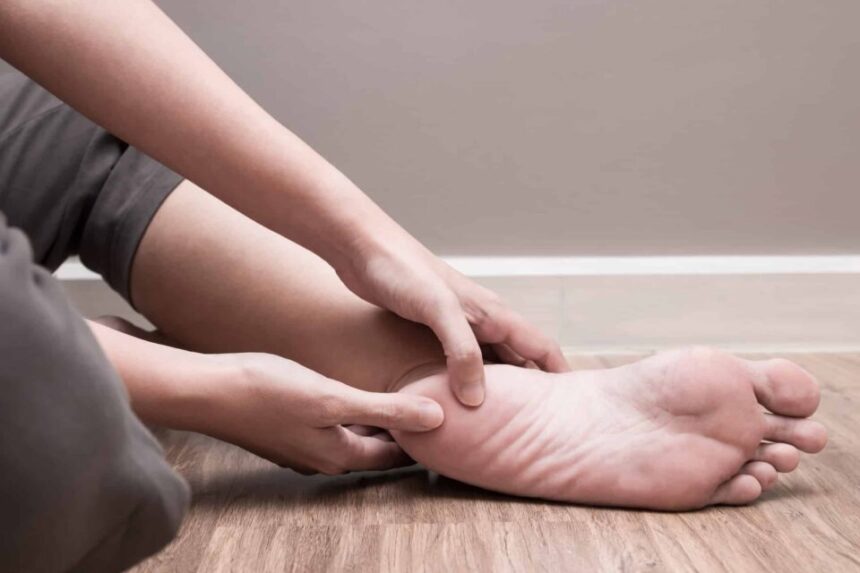
Foot pain can develop from many different situations, ranging from daily activities to long-term wear on the joints. It may come from shoes that do not provide the right support, or from standing for extended hours on hard surfaces. Sometimes, foot pain results from repetitive stress like running or walking long distances. Other times, it can be linked to posture or the way weight is distributed while moving. The body relies on the feet for balance, and when something is off, discomfort often follows. Understanding the sources of foot pain is the first step in addressing it effectively. Many people do not realize how much the feet influence overall movement until pain begins to interfere with walking or standing.
How Does Foot Pain Change Walking Patterns?
When foot pain sets in, people naturally adjust their movements to avoid discomfort. This can mean walking with shorter steps, shifting weight to one side, or favoring one foot over the other. These changes may feel like relief at first, but over time, they can affect balance and stability. Altered walking patterns may place extra strain on the knees, hips, and even the lower back.
Small adjustments in stride can accumulate and lead to new areas of soreness or stiffness. The body is designed to move in a balanced way, and pain disrupts that natural rhythm. Recognizing how walking patterns shift with pain helps highlight why treatment and support are so valuable. Foot pain does not only change the way someone walks; it also affects day-to-day activities. A person may avoid exercise or even simple outings because standing or walking feels uncomfortable.
Over time, these limitations can influence lifestyle and mobility choices. Household tasks, shopping, or spending time outdoors may all seem more challenging. The discomfort often leads to reduced physical activity, which can impact overall energy levels. Even short walks or time spent on hard floors can feel draining when pain persists. The ripple effects of pain often reach far beyond the feet themselves, shaping daily routines in noticeable ways.
What Can Be Done to Address Foot Pain?
There are several practical approaches to managing pain and reducing its impact. Supportive footwear plays a major role in keeping the feet comfortable during activity. Many people also explore shoe inserts or cushions that improve alignment and reduce pressure on sensitive areas. Stretching and strengthening exercises may help improve flexibility in the feet and legs.
Paying attention to posture while walking or standing can lessen strain. Rest and alternating activity levels give the feet time to recover when they feel sore. By taking consistent, simple steps, individuals often find their pain becomes more manageable over time. Small adjustments to lifestyle and habits can lead to noticeable improvements.
Take Steps Toward Comfortable Movement
If pain is changing your walking pattern or daily routine, it may be time to consider supportive changes. Paying attention to footwear, stride, and activity habits can help you feel more comfortable. Addressing pain early helps reduce its impact on the way you move. Movement should feel steady and balanced, and there are ways to support that. Whether through better shoes, mindful walking, or thoughtful adjustments, your steps can feel smoother again.