

Botox, or botulinum toxin, is a neurotoxic protein widely used in the field of cosmetic enhancement. Individuals seeking to address facial lines and wrinkles can explore Botox as an approach to facial rejuvenation. Its targeted injection technique focuses on localized treatment; this results in the temporary relaxation of specific muscles, smoothing the skin. Here are several benefits of this cosmetic treatment:
Understanding How Botox Works
Botox works by temporarily blocking nerve signals to specific muscles. Dynamic wrinkles develop from repeated facial movements, such as smiling, frowning, or squinting. When Botox is injected, it disrupts the release of acetylcholine; this is the neurotransmitter responsible for muscle contraction. As the muscles relax, the overlying skin appears smoother, and expression lines become less noticeable.
Practitioners administer Botox with precision, targeting selected muscles while leaving others unaffected. This technique allows for a natural appearance and preserves spontaneous facial movement. The effects are not permanent, and over several months, muscle activity gradually returns to normal. Those seeking continued results may schedule follow-up treatments as recommended by their provider.
Identifying Areas for Botox Use
In cosmetic practice, Botox is commonly used to reduce specific dynamic wrinkles:
- Glabellar lines: Vertical lines between the eyebrows, often called frown lines, frequently prompt individuals to seek treatment.
- Forehead lines: Horizontal lines across the forehead are common candidates for Botox.
- Crow’s feet: Fine lines around the eyes deepen with smiling or squinting and are another frequent concern.
Botox may also be applied to address subtle lines around the mouth or to achieve a gentle brow lift. Focusing on these key areas helps create a smoother, more relaxed appearance. Each treatment plan is tailored to the individual’s goals and facial features, so results can vary from person to person.
Navigating the Procedure and Aftercare
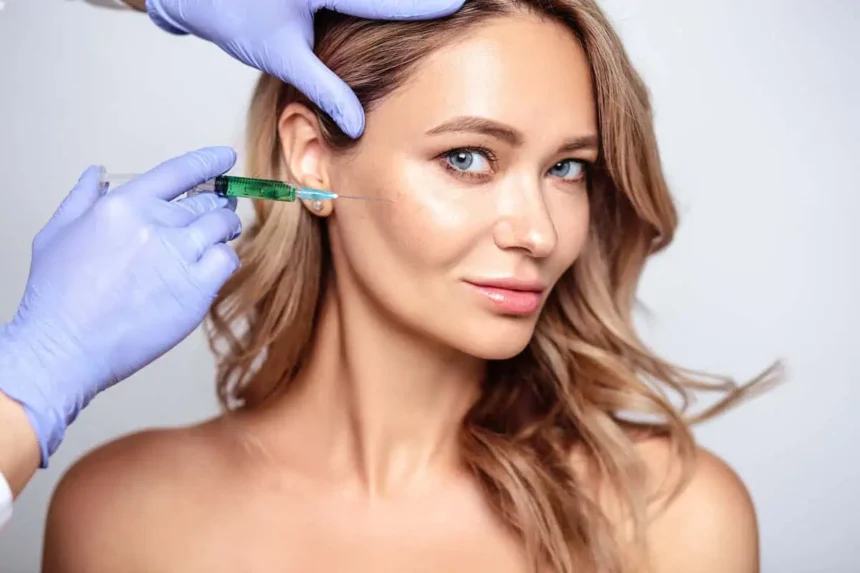
The process of receiving Botox injections is methodical, and it relies on a thorough understanding of facial anatomy. The practitioner begins by evaluating the individual’s goals and unique facial features. They then complete the treatment through a series of small injections using a fine needle; several areas can be treated in a single session.
Post-procedure expectations involve minimal disruption to daily life, and most individuals are able to resume typical activities shortly afterward. Some may experience mild swelling, redness, or tenderness at the injection sites, but these effects are generally brief. Results develop gradually, with optimal changes visible within one to two weeks. Because Botox provides a temporary effect, routine maintenance can be completed approximately three to four months after the initial treatment.
Integrating Botox Into Rejuvenation Plans
Botox is effective for reducing wrinkles caused by muscle movement, but it does not address changes from sun damage or decreased skin elasticity. Practitioners may recommend combining it with other procedures, such as dermal fillers, to achieve a more comprehensive result. A key part of this process is consulting an experienced professional; they’ll evaluate skin type, discuss goals, and provide personalized recommendations.
Schedule Your Botox Treatment
When applied precisely, Botox targets dynamic wrinkles, and it allows flexibility in treatment areas. It integrates effectively with other procedures, providing a more comprehensive approach to facial aesthetics. Individuals seeking to refresh their appearance by reducing signs of aging can benefit from this treatment. Consult a trained professional today to create a treatment plan tailored to your unique needs and goals.