

Jaw pain affects many individuals, and it can stem from various underlying issues. This discomfort can manifest as pain, soreness, or difficulty with jaw movement, often affecting daily activities such as eating and speaking. Here is more information on jaw discomfort, its common causes, and how Botox provides relief:
What Is Jaw Discomfort?
Jaw discomfort refers to pain or tenderness in the temporomandibular joint (TMJ) and surrounding muscles, and it is a common condition among adults in the United States. The condition ranges from a mild, intermittent ache to severe, chronic pain that limits jaw function. Symptoms may include clicking or popping sounds, difficulty chewing, and headaches or earaches.
This discomfort can significantly affect a person’s quality of life, but various treatments provide relief. One treatment is Botox injections, which can help relax the jaw muscles. This approach targets the muscular component of the discomfort, offering a different approach than traditional physical therapies.
What Causes It?
One cause is bruxism, which is the habitual grinding or clenching of teeth, especially during sleep. This constant pressure places immense strain on the jaw muscles and the TMJ, leading to pain and inflammation over time. Misalignment of the teeth or jaw can cause an improper bite, placing uneven pressure on the joint. Arthritis or direct injury to the jaw may also result in discomfort, so a proper diagnosis is necessary to identify the root cause.
What Is Botox?
Botox is a brand name for botulinum toxin, a neurotoxic protein produced by the bacterium Clostridium botulinum. It has both cosmetic applications and medical uses. The substance works by blocking nerve signals to the muscles where it is injected, preventing them from contracting. When used for jaw discomfort, it is administered in small, controlled doses to target specific muscles.
How Does It Work?
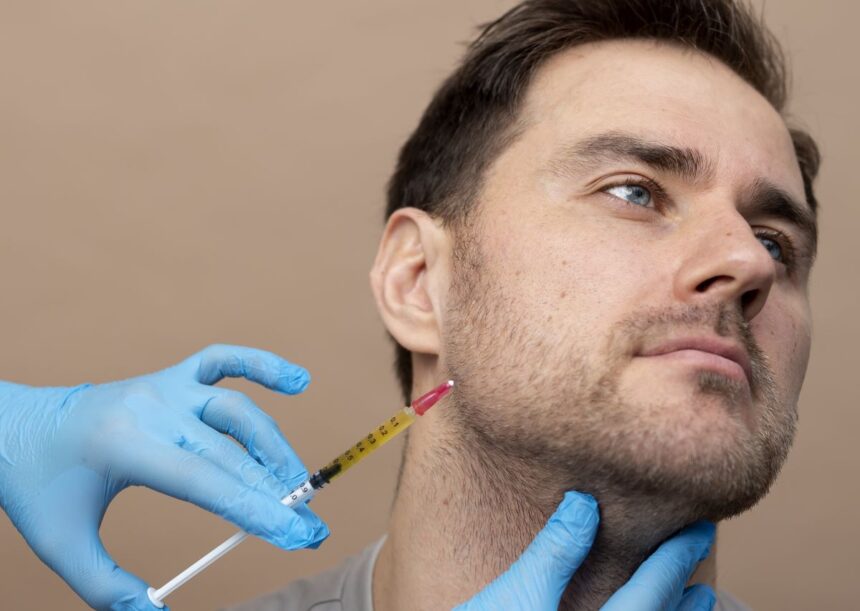
When injected into the masseter muscles of the jaw, Botox temporarily paralyzes them, reducing their ability to contract forcefully. This muscular relaxation helps alleviate the tension and strain that contribute to bruxism-related jaw pain and headaches. The procedure is minimally invasive and typically performed in a clinical setting.
The effects of the injection are not immediate, and it may take several days to a week for the full benefits to become apparent. Relief is temporary, necessitating repeated injections every few months to maintain the results. A qualified professional can determine the appropriate dosage and injection sites for your specific needs.
What Are the Benefits?
Using Botox for jaw discomfort offers several benefits, including pain reduction. By relaxing the overactive jaw muscles, patients may experience relief from chronic pain, tension headaches, and soreness. This can lead to an improved ability to chew, speak, and perform other daily functions without discomfort.
Another benefit is the potential to prevent damage to the teeth and jaw joint, as reducing bruxism minimizes the grinding forces that wear down tooth enamel. The procedure itself is quick, and it involves minimal downtime, allowing individuals to return to their normal activities shortly after. Botox provides a functional solution when other treatments have not been effective.
Visit a Dentist Today
Jaw pain can be a persistent issue, yet understanding the available treatment options helps individuals find relief. If you are experiencing jaw discomfort, consult with a qualified dentist. They can provide a thorough evaluation, diagnose the underlying cause of your pain, and determine if Botox is a suitable treatment for you.