


Back pain is a common condition that often interferes with daily activities. Moderate exercise can be used to alleviate discomfort. A structured exercise program can help improve flexibility, strengthen core muscles, and promote better posture, all of which are integral to maintaining a healthy back. It can be helpful to explore the relationship between exercise and back pain relief, addressing common questions about its causes, diagnosis, and treatment approaches.
What Causes Chronic Back Pain?
Chronic back pain, defined as pain lasting 12 weeks or more, can originate from a variety of sources. Conditions such as muscle or ligament strain are frequent culprits. These often result from improper lifting or sudden, awkward movements. Structural issues, such as bulging or ruptured discs, arthritis, and skeletal irregularities, can also lead to persistent discomfort. In some cases, osteoporosis can contribute to painful vertebral fractures. This condition causes bones to become weak and brittle. Identifying the specific cause is a step towards developing an effective management plan.
How Is It Diagnosed?
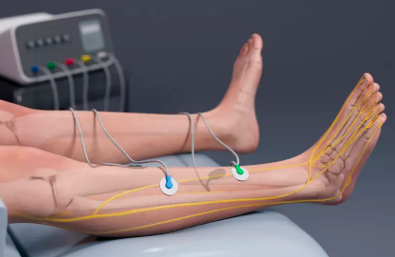
Diagnosing the source of the pain begins with a comprehensive medical history and a physical examination. During the exam, a healthcare provider will assess your ability to sit, stand, walk, and lift your legs, while also testing your reflexes and range of motion. Based on these initial findings, further diagnostic tests may be recommended to gain a clearer picture of the underlying issue. These tests can include X-rays to check for bone problems or arthritis, MRI or CT scans to reveal issues with discs, muscles, or nerves, and nerve conduction studies to evaluate nerve function.
What Are Treatment Options?
Treating chronic pain involves many different approaches, all chosen for your specific needs. Often, combining a few methods can work best. Here are some common ways back pain is treated:
- Physical Therapy: Physical therapy involves targeted exercises to strengthen core muscles, improve flexibility, and correct posture. A therapist can design a personalized program to address your specific needs.
- Medications: Over-the-counter pain relievers, muscle relaxants, or other prescription medications may be suggested to manage pain and inflammation.
In more complex situations, injections or surgical procedures might be taken into account, but these are typically reserved for cases where conservative treatments have not provided relief.
Can Lifestyle Changes Help?
Lifestyle modifications play a significant role in both preventing and alleviating pain. Maintaining a healthy weight reduces the strain on your spine. This can ease existing pain and lower the risk of future problems. Adopting proper posture while sitting, standing, and lifting is also beneficial. It helps protect your back from unnecessary stress. Regular, low-impact aerobic activities, such as walking or swimming, can increase strength and endurance in your back. These activities also promote overall wellness.
Take Control of Your Pain Relief
Understanding the factors that contribute to back pain is the first step toward finding lasting relief. By working with healthcare professionals, you can receive an accurate diagnosis and develop a comprehensive treatment strategy that may include targeted exercises and positive lifestyle changes. To learn more about your options for managing back pain, schedule a consultation with a specialist to discuss a personalized care plan.