


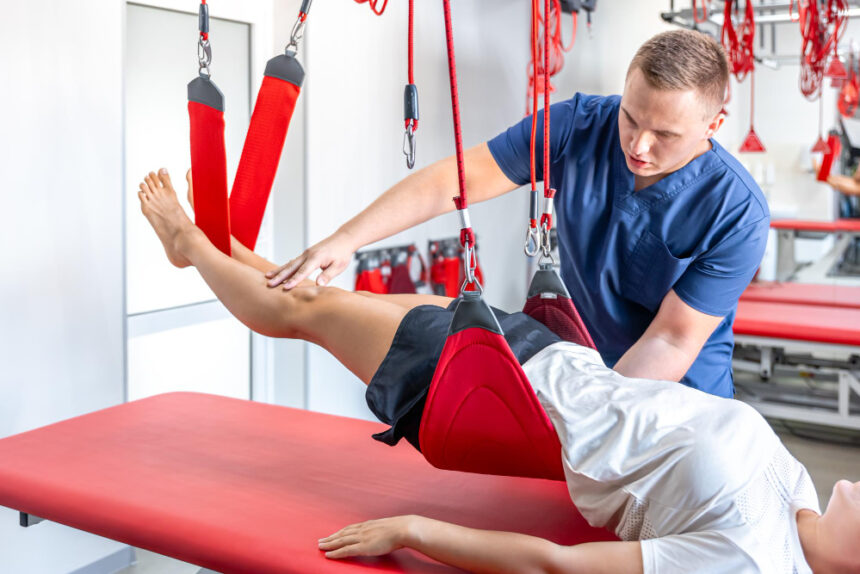
Physical therapy is a specialized area of healthcare focused on evaluating and treating movement-related issues resulting from injury, illness, or disability. By combining targeted exercise with comprehensive patient education, therapy supports individuals as they work to improve their function. Here are some benefits of physical therapy for injury recovery:
Restores Range of Motion
After an injury, joints or muscles commonly lose flexibility or become stiff, making daily activities uncomfortable. Restoring normal movement is a key focus in physical therapy. Techniques such as passive range-of-motion, where the therapist gently moves your joint for you, help decrease stiffness and maintain joint health when you can’t move on your own.
Over time, you may progress to active-assisted exercises, where you participate in the movement with some support. Independent movement is encouraged as strength and flexibility return. If you have a shoulder injury, stretching the surrounding muscles with guided exercises reduces the risk of long-term limitations. Regular assessments allow your therapist to track your progress. As your range of motion improves, you regain the ability to perform activities like reaching overhead or walking without discomfort.
Strengthens Supportive Muscles
When one area of the body is hurt, it’s normal for the nearby muscles to weaken from disuse or to become tight as you compensate for discomfort. Strengthening supportive muscles is a beneficial step in the healing process. Physical therapists create exercise routines that target these muscles. After a knee injury, the muscles of the thigh and hip may be included in your strengthening program to support the healing joint. Exercises should be chosen to match your current abilities and become more challenging as you improve. Techniques might involve resistance bands, light weights, and body-weight routines. Proper form is a focus, and your therapist will guide you, checking your posture and movement patterns to make sure you’re moving safely. Stronger muscles help support the injured area and may decrease the chance of further injury.
Reduces Pain and Inflammation
Dealing with pain and swelling often adds stress to any injury recovery. Physical therapy addresses these symptoms through a thoughtful combination of treatment options. Modalities often include:
- Ice packs
- Heat therapy
- Ultrasound
- Electrical muscle stimulation
Applying ice after exercise helps limit swelling, while heat before exercise can make stretching more comfortable. Movement through guided exercises helps encourage blood flow, which delivers nutrients to healing tissues and reduces inflammation. Manual therapy, such as massage or joint mobilization, sometimes provides relief by easing tight muscles or stiff joints. Physical therapists also teach you strategies to use at home, such as positioning techniques or exercises you can perform outside of appointments.
Schedule Physical Therapy
A personalized physical therapy program is designed to guide you through your recovery journey after an injury. Focused on gradually restoring your function and flexibility, these programs use proven techniques and supportive education. If you’re healing from an injury and would like guidance in regaining your abilities, a physical therapy evaluation is a practical first step. Therapists will determine the source of pain and develop a personalized recovery plan. Contact a therapy clinic today to learn more.