

Imagine you are running around outside with your friends. You trip, fall forward, and suddenly feel pain in your mouth. When you touch your teeth, you notice one feels rough or broken. You might feel scared or confused, and you may not know what to do next. This kind of situation is called a dental crisis.
A dental crisis is any problem with your teeth, gums, or mouth that needs fast attention. It can happen at any time and to anyone. Children, teens, and adults can all face dental emergencies. Knowing what a dental crisis is and how to react can help reduce pain, prevent infections, and even save a tooth.
This article will help you understand what a dental crisis is, how to recognize one, what steps to take right away, and how to lower your chances of having a dental emergency in the future.
Read on to learn more.
Understanding What a Dental Crisis Is
A dental crisis happens when there is sudden damage or pain in your mouth that cannot wait for a regular dental visit. These problems often happen because of accidents, sports injuries, infections, or biting down on something hard.
Dental crises can affect different parts of your mouth. Sometimes the tooth itself is damaged. Other times the gums, jaw, or soft tissues inside the mouth are involved. No matter the cause, dental emergencies should be taken seriously.
Some dental problems start small but become big if ignored. A mild toothache, for example, could turn into a serious infection. A small crack in a tooth could spread and cause the tooth to break completely.
The key thing to remember is this: if something feels very painful, looks unusual, or happens suddenly, it may be a dental crisis.
Common Signs That You Are Facing a Dental Crisis
It is important to recognize the warning signs of a dental emergency. When you know what to look for, you can act faster and avoid bigger problems.
One common sign is strong tooth pain that does not go away. This pain may feel sharp, throbbing, or constant. It can make it hard to eat, sleep, or focus on schoolwork.
Swelling around the gums, cheeks, or jaw is another sign. Swelling can mean there is an infection inside the mouth. Infections can spread if they are not treated quickly.
A knocked-out tooth is one of the most serious dental emergencies. This often happens during sports or falls. The faster you act, the better the chance a dentist can save the tooth.
Cracked or chipped teeth are also dental crises, especially if they cause pain or bleeding. Even small cracks can lead to bigger damage later.
Bleeding that does not stop, loose teeth, or pain when opening the mouth can also mean there is a serious problem. If you are ever unsure, it is safer to treat the situation as an emergency and seek help.
Why Staying Calm Is the First Step
When something painful or scary happens, it is normal to panic. However, staying calm is one of the most important things you can do during a dental crisis.
When you stay calm, you can think more clearly. You can remember what steps to take and explain the problem better to an adult or dentist. Panic can make pain feel worse and cause poor decisions.
Taking a few deep breaths can help. Focus on slowing your breathing and relaxing your body. Remind yourself that help is available and that many dental emergencies can be treated successfully.
If you are a child or teen, tell a parent, teacher, or trusted adult right away. They can help you take the next steps.
Checking Your Mouth to Understand the Problem
After staying calm, the next step is to look at what happened. If possible, gently examine your mouth using a mirror and good lighting.
Check to see if there is bleeding. Look for cracks, missing pieces of teeth, or swelling. Notice where the pain is coming from. Is it one tooth or the whole area?
Do not poke or press hard on the area. Be gentle so you do not cause more damage. If a tooth feels loose, avoid touching it too much.
Understanding what is wrong will help when you talk to a dentist. Being able to explain what you see and feel can help them decide what treatment you need.
Managing Pain in a Safe Way
Pain is one of the hardest parts of a dental crisis. While waiting to see a dentist, there are safe ways to manage discomfort.
Rinsing your mouth gently with warm salt water can help clean the area and reduce swelling. This is especially helpful if there is bleeding or irritation.
Cold compresses can help reduce swelling and numb pain. You can place a cold pack or ice wrapped in a cloth on the outside of your cheek for short periods.
Over-the-counter pain medicine may help, but it should only be taken as directed by an adult or the label instructions. Never place pain medicine directly on your gums or teeth, as this can cause burns.
Avoid chewing on the side of your mouth that hurts. Stick to soft foods and avoid very hot or cold drinks. These steps can help ease pain, but they do not replace seeing a dentist.
What to Do If a Tooth Gets Knocked Out
A knocked-out tooth is one of the most serious dental emergencies, but quick action can save it. If a tooth comes out completely, find it right away. Hold the tooth by the crown, which is the top part you normally see in your mouth. Do not touch the root.
If the tooth is dirty, gently rinse it with clean water. Do not scrub it or use soap. Try to place the tooth back into its socket if possible. If it fits, hold it in place by biting down gently on a clean cloth.
If you cannot put the tooth back, place it in a container with milk or saliva. This helps keep the tooth alive until you reach a dentist.
Time is very important. Try to see a dentist within 30 to 60 minutes if possible.
Handling a Cracked or Chipped Tooth
If you have a cracked or chipped tooth, the first step is to rinse your mouth with warm water to clean the area around the tooth. This helps remove any debris or bacteria that may have entered the crack or chip. If you notice any bleeding, apply gentle pressure with a clean cloth to stop the bleeding.
To avoid causing more damage to the tooth, try to avoid chewing on the side of your mouth where the cracked or chipped tooth is located. This can be tricky, but it’s essential to reduce the risk of the crack or chip getting worse. If the tooth has sharp edges, you can cover it with dental wax or sugar-free gum to protect your tongue and cheeks from getting cut or irritated.
Even if the chip seems small, it’s still crucial to see a dentist as soon as possible. Small cracks can grow larger over time, leading to more severe problems such as infections, abscesses, or even tooth loss. When a tooth is cracked or chipped, the inner pulp of the tooth can become exposed, making it more vulnerable to bacteria and decay.
When Swelling or Infection Is Present
Swelling in the mouth, face, or jaw often means there is an infection. Infections can be very serious if left untreated.
Signs of infection include swelling, fever, bad taste in the mouth, and pain that gets worse over time. Sometimes pus may be visible near the gums.
Do not try to pop or drain swelling on your own. This can spread infection. Instead, seek professional help right away. A dentist may need to treat the infection with medicine or other procedures to stop it from spreading.
Why Seeing a Dentist Quickly Is So Important
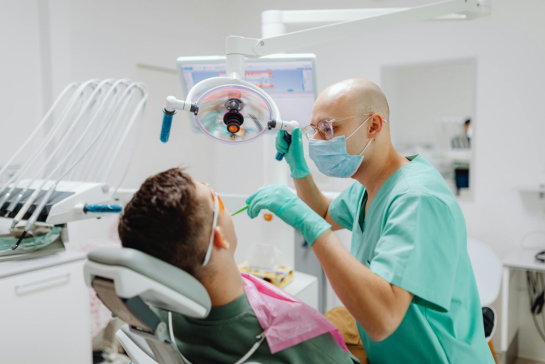
After taking care of the immediate problem, seeing a dentist as soon as possible is essential. Dentists are trained to handle dental emergencies and prevent further damage.
Waiting too long can make problems worse. Pain may increase, infections can spread, and damaged teeth may become impossible to save.
If the problem happens after normal office hours, look for a dentist who offers emergency services. Many clinics have emergency numbers or special hours for urgent cases. Calling ahead and explaining what happened helps the dental team prepare for your visit.
Choosing the Right Dentist for an Emergency
Not every dental office handles emergencies the same way. When looking for help, it is good to consider certain things. An emergency dentist should be able to see patients quickly, even after hours if needed.
Experience is also important. Dentists who regularly handle emergencies are often better prepared for urgent situations.
Location can make a difference too. A nearby dental office can save valuable time during an emergency. Having your dentist’s contact information saved can help you act faster when something goes wrong.
How Dental Crises Affect Daily Life
Dental emergencies do not just affect your mouth. They can affect your whole day and even your mood. Pain can make it hard to eat, speak, or concentrate in school.
Swelling or broken teeth can make people feel embarrassed or upset. Missing school or activities due to dental problems can also be frustrating. That is why quick treatment is so important.
The sooner a dental crisis is handled, the sooner life can return to normal.
Preventing Dental Crises Before They Happen
While not every dental emergency can be avoided, there are many things you can do to lower your risk. Wearing a mouthguard during sports is one of the best ways to protect your teeth. Mouthguards cushion your teeth and reduce the chance of breakage.
Good oral hygiene also plays a big role. Brushing twice a day and flossing helps keep teeth strong and gums healthy. Regular dental check-ups allow dentists to catch small problems before they turn into emergencies.
Avoid chewing on hard objects like ice, hard candy, or pens. These habits can crack teeth over time. Eating healthy foods that support strong teeth, such as fruits, vegetables, and dairy products, also helps protect your smile.
Teaching Children What to Do in a Dental Emergency
Children should learn what to do during a dental crisis in a way that does not scare them. Parents and guardians can explain basic steps, such as telling an adult right away and not touching a hurt tooth too much.
Having a simple plan can make children feel safer. Knowing there is a plan helps reduce fear and confusion during emergencies. Practicing good dental habits together also helps children understand the importance of caring for their teeth.
Creating a Dental Emergency Plan
An emergency plan helps everyone know what to do when something goes wrong. The plan can include knowing which dentist to call, where the dental office is located, and what steps to take right away.
Keeping emergency phone numbers in an easy-to-find place can save time. Talking about the plan ahead of time makes emergencies less stressful. In case of an emergency dental issue, don’t hesitate to visit an emergency dentist and take care of your smile.
Why Dental Health Is Part of Overall Health
Dental health is closely connected to overall health. Problems in the mouth can affect the rest of the body. Infections in the mouth can spread if not treated.
Pain and discomfort can affect sleep, eating, and emotional health. Taking care of your teeth is not just about having a nice smile. It is about staying healthy and feeling good.
Dental crises remind us how important daily care and quick action can be. Your smile is important. Taking care of it, even during unexpected moments, helps ensure it stays strong for years to come.
Being Ready Makes All the Difference
Dental crises can happen suddenly and without warning. A fall, a sports accident, or a sudden toothache can quickly turn into an emergency. Knowing how to recognize the signs, stay calm, manage pain, and seek professional help can make a big difference.
Preparation is key. Good habits, protective gear, and regular dental visits all help reduce risk. If a dental emergency does happen, acting quickly and wisely can protect your teeth and your health.
For more helpful tips, check out the rest of our site today.