

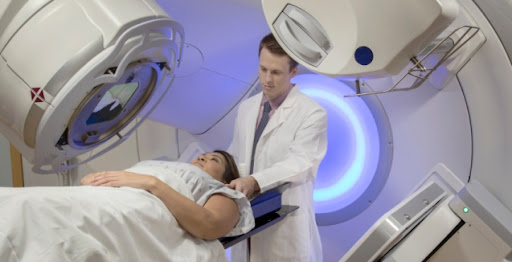
Radiation therapy is a medical treatment that uses high doses of radiation to destroy cancer cells and shrink tumors. Oncologists use several types of radiation methods. While it is a standard component of cancer care, doctors use it to manage various medical conditions. Here is more information about the benefits of radiation therapy:
1. Treating Malignant Tumors
Radiation therapy directs energy at malignant tumors. High-energy beams damage the DNA of cancer cells, and this process stops them from dividing and growing. When cancer cells cannot replicate, they die and are eliminated by the body. This method helps manage tumors in many parts of the body.
The treatment can be delivered before surgery to shrink a tumor. It also works after surgery to target any remaining cancer cells. Sometimes, radiation is the primary treatment for a particular type of cancer. Your care team can determine the right approach for your situation.
2. Minimizing Radiation Exposure
Modern techniques focus on precise targeting. This precision helps protect surrounding healthy tissues. Before treatment begins, a process called simulation maps the exact location and shape of the tumor. Doctors use advanced imaging techniques, such as CT or MRI scans, to create a detailed treatment plan.
This planning allows for high-dose radiation to be delivered directly to the cancerous area. The goal is to maximize the impact on the tumor, and the team works to limit exposure to nearby organs. Careful planning is a key part of the process, and it can help prevent issues. Techniques include:
- Intensity-modulated radiation therapy (IMRT)
- Image-guided radiation therapy (IGRT)
- Proton therapy
These advanced methods assist in shaping the radiation beam so it precisely conforms to the tumor. The technology allows for adjustments during treatment. This contributes to the accuracy of the radiation delivery, which helps protect healthy cells from unnecessary exposure.
3. Guiding Diagnosis
Radiation is also used in smaller, safe doses for diagnostic imaging, and this can help doctors detect and diagnose diseases. They provide detailed images of the inside of the body, allowing physicians to identify abnormalities. X-rays, CT scans, and PET scans are typical examples of diagnostic radiation.
These tools provide a non-invasive method for viewing internal structures. Doctors analyze the images to detect tumors and also use them to monitor the effectiveness of treatment. The information gathered assists in determining the subsequent steps within a patient’s care plan.
4. Improving Outcomes
Doctors develop a personalized plan for each patient. Radiation therapy can be combined with other treatments like chemotherapy. Chemotherapy works throughout the body, while radiation targets a specific site. This combination may be part of a comprehensive treatment strategy, and this integrated approach is used for many types of cancer. The sequence and timing of treatments are carefully managed, and this coordination helps to structure the overall care plan.
Schedule Radiation Therapy Today
Understanding treatment options is a step forward. Your medical team can provide information based on your specific circumstances. They can explain the process and answer any questions you may have. Contact an oncology clinic to schedule a consultation and discuss your care plan.