

Living with a chronic condition requires adjustments to your daily routine and mindset. Many people find significant relief through proper management strategies and positive lifestyle changes. Understanding your body helps you maintain a high quality of life despite the diagnosis. You can navigate spinal stenosis successfully with the right information.
What Is Spinal Stenosis?
Spinal stenosis occurs when the open spaces within your spine narrow significantly. This narrowing creates substantial pressure on the spinal cord and the nerves that travel through the spine. It frequently happens in the lower back or the neck area. The condition often develops slowly over many years.
Most cases result from wear-and-tear changes in the spine related to osteoarthritis over time. Bone spurs can grow into the spinal canal and reduce the available room for nerves. Thickened ligaments also contribute to the reduced space within the spinal column. These structural shifts irritate delicate nerve tissue and cause discomfort.
People with spinal stenosis experience various symptoms depending on the exact location of the narrowing. Numbness, tingling, or weakness in a hand, arm, foot, or leg often signals nerve compression. You might feel pain or cramping in your legs during long walks or periods of standing. Sitting down typically relieves these sensations quickly by opening the spinal canal.
What Treatment Options Exist?
When you’re diagnosed with spinal stenosis, your doctor will likely start with non-surgical treatments to help manage your pain and improve your ability to move. The goal is to reduce discomfort and help you get back to your daily activities.
Here are some of the common treatment options:
- Medications: Over-the-counter pain relievers can often reduce inflammation and ease discomfort. If these aren’t enough, your doctor might prescribe medications that specifically target nerve pain or muscle spasms.
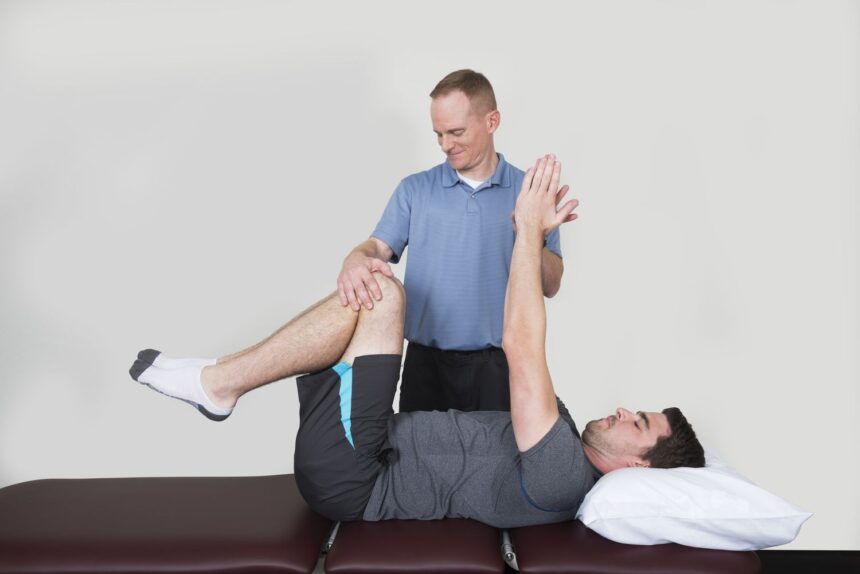
- Physical Therapy: A physical therapist can guide you through exercises designed to build strength, improve flexibility, and maintain your balance. Strengthening your back and abdominal muscles provides better support for your spine, which can relieve pressure on the nerves.
- Steroid Injections: If oral medications don’t provide enough relief, your doctor might suggest steroid injections. These are administered directly into the area around the irritated nerves to quickly reduce inflammation and swelling.
These treatments are often effective in managing symptoms. If your pain continues and non-surgical approaches don’t provide adequate relief, surgery may be reviewed as the next step.
How Can Symptoms Be Managed?
Lifestyle Adjustments
Maintaining a healthy weight reduces the mechanical load on your spine significantly. Excess weight places extra stress on the back and compresses the spinal joints further. Eating a balanced diet supports bone and tissue health throughout the body. Proper nutrition aids the body in repairing itself and maintaining energy levels.
Exercise and Movement
Regular movement keeps the spine flexible and increases beneficial blood flow to the area. Low-impact activities like swimming or biking minimize stress on the back while keeping you active. Walking helps many patients, but you must pace yourself and listen to your body. Stop and rest immediately if pain begins to flare up.
Posture and Ergonomics
Good posture protects the spine during daily activities and reduces strain on the back. Choose chairs with firm support for your lower back to maintain proper alignment. Avoid slumping forward while sitting at a desk or watching television for long periods. Sleep on a mattress that supports the natural curves of your back properly.
Consult a Specialist
If your symptoms persist, it’s time to consult a specialist. A specialist can properly diagnose your condition through a physical exam and imaging tests like X-rays or MRIs, which can reveal the extent of the narrowing in your spine. Based on your specific symptoms and lifestyle, they will create a personalized treatment plan to help manage your pain and monitor your progress. Take the next step in managing your spinal health by contacting our clinic to schedule a comprehensive evaluation with our experienced team. We’ll guide you toward a more active and comfortable life through tailored care.