

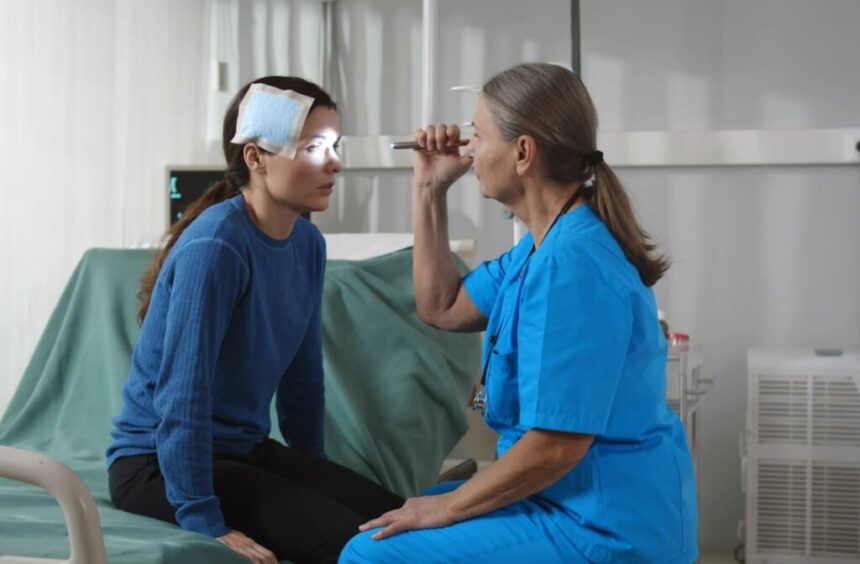
Recognizing when an eye issue needs immediate attention is a key step in caring for your vision and overall eye health. Emergency eye care refers to medical treatment for conditions or injuries that have the potential to threaten your sight or impact your well-being if left untreated. You may encounter symptoms that appear suddenly or do not improve with basic home care. Here are some instances when seeking emergency vision care is beneficial:
Sudden Changes in Vision
Experiencing a sudden change in your vision can require prompt attention from a medical professional. Vision changes may occur without warning and affect one or both eyes. You might notice new floaters, which often look like tiny spots drifting across your field of vision. Some people report seeing flashes of light. If you notice a shadow, or if you lose vision completely or partially, it’s wise to seek emergency eye care.
These symptoms could point to severe underlying conditions, such as retinal detachment or intraocular bleeding; both require time-sensitive treatment. If your eyesight blurs suddenly or your peripheral vision disappears, do not wait to see if it gets better on its own. Rapid vision changes may also be related to underlying health problems like diabetes, high blood pressure, or neurological conditions.
Cuts on the Eyelid
Injuries to the eyelid, including cuts or lacerations, should be checked by a medical professional, even if they look minor. The eyelid is made of delicate skin, muscles, and structures that play a role in protecting your eye from dust, debris, and injury. A cut that looks small could be deeper and involve tissues not visible without special examination. Cuts on the eyelid may lead to swelling, bruising, or bleeding. Early care and proper wound management help reduce the risk of complications, such as infection or problems with eyelid movement.
Symptoms of Allergic Reaction
Allergic reactions that affect the eyes range from mild discomfort to serious symptoms that require prompt attention. Eye allergy symptoms typically include:
- Redness
- Watery eyes
- Itchiness
- Swelling
Mild symptoms are often familiar to those with seasonal allergies, but severe symptoms may require a professional evaluation. Swelling that grows quickly or causes your eyelids to close suggests a more significant reaction. Some allergens, such as insect stings or certain foods, may trigger these symptoms after brief exposure. If redness, itching, or swelling appear rapidly and do not improve with antihistamines, seek medical advice.
Red Eyes
A red eye may occur for many reasons, such as tiredness, irritation, or infection, but it could suggest a more serious problem. Red eyes accompanied by additional symptoms should be evaluated. If your eye is painful, reacts strongly to light, or your vision becomes blurred, these are signs to seek professional care.
Green or yellow eye discharge, especially if accompanied by swelling and redness, usually indicates infection. If you get hit in the eye and notice persistent redness or a change in your vision, do not wait to see if it clears up. Eye injuries may worsen if not examined by a specialist. Sudden or severe red eye symptoms should not be ignored, especially if you wear contact lenses or have had eye surgery.
Get Emergency Eye Care
Sudden vision changes, injuries to the eyelid, rapid or severe allergic reactions, and symptoms such as red eyes are signs to contact a professional. Timely care supports the evaluation and management of your symptoms. If you are uncertain or if any symptom does not improve, an eye care provider can evaluate your condition. If you are experiencing an eye emergency, call an eye doctor today.