


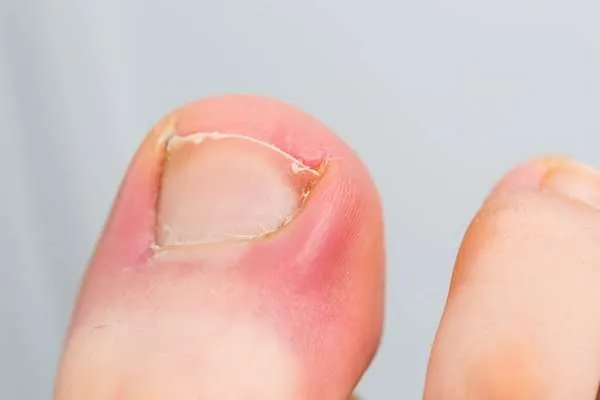
Ingrown toenails are a common issue that can cause discomfort and disrupt daily activities. They occur when the edge of a toenail grows into the surrounding skin, leading to irritation, redness, and sometimes infection. Consulting a foot specialist can help you understand the factors contributing to this condition and provide effective treatment. Taking practical steps, such as proper nail care and footwear choices, can reduce the likelihood of painful symptoms.. Below, we explore some common causes and provide suggestions on how to address them.
Can Footwear Cause Nail Issues?
Footwear plays a significant role in the health of your toenails. Shoes that are too tight or don’t fit properly can press the toes together, creating pressure on the nails. This persistent pressure may push the edges of the nails into the surrounding skin, increasing the risk of ingrown nails. High-heeled shoes and narrow-toed footwear are among the types that can cause this problem.
Wearing shoes that provide adequate space for your toes to move naturally is an effective way to reduce the risk, according to foot specialists. Look for options with wider toe boxes and avoid shoes with a pointed design. Foot specialists also recommend taking breaks from restrictive footwear to give your feet more freedom during the day. Regularly assessing your shoe size, especially for growing children and teenagers, can further help prevent the development of nail problems.
Is Nail Cutting Technique a Factor?
Nail cutting technique is another common factor that contributes to ingrown toenails. When toenails are cut too short or with rounded edges, they are more likely to grow into the surrounding skin. This practice is particularly problematic for individuals with naturally curved nails or a family history of ingrown toenails.
Cutting your toenails straight across and leaving the corners slightly visible can reduce the chance of irritation. Using clean, sharp nail clippers can help reduce uneven edges, which in turn prevents improper growth patterns. It’s also worth trimming your nails regularly, but not too close to the nail bed, as this can minimize the risk of nails curving inward. If you’re struggling with persistent ingrown toenails, a foot specialist can provide expert advice and treatment. Practicing these simple habits can go a long way in promoting the health of your toenails.
Can Poor Hygiene Be Blamed?
While poor hygiene isn’t the only cause of ingrown toenails, it can create conditions that increase the risk. Dirt and moisture can soften the skin around the nails, making it easier for nails to grow improperly. Bacterial buildup from improper foot cleaning can also exacerbate mild cases of ingrown toenails.
Here are some simple hygiene tips to reduce the risk of ingrown toenails and promote healthier feet:
- Wash your feet daily: Use soap and water to remove dirt and bacteria, keeping your feet clean.
- Dry thoroughly: Moisture can weaken the skin, so make sure your feet are fully dry after washing.
- Change socks regularly: Clean socks reduce sweat build-up and keep your feet fresh.
- Wear breathable footwear: Shoes that allow airflow help prevent excessive sweating and moisture.
By adopting these habits, you can create a healthier environment for your nails and reduce the chance of foot-related issues. Regular care is a small step that can make a big difference in maintaining overall foot health.
Visit a Foot Specialist
If you’re dealing with recurring discomfort from ingrown toenails or signs of infection, it might be time to see a foot specialist. They can assess your condition and offer tailored treatments to address the problem before it worsens. Early intervention is key to minimizing complications and improving your overall foot health. Don’t ignore persistent symptoms—reach out to a specialist and take proactive steps for better comfort and well-being.