

Vascular problems affect the body’s network of blood vessels and can lead to serious health complications if left unaddressed. From varicose veins to peripheral artery disease, these conditions often develop silently before presenting noticeable symptoms. Recognizing the early signs of vascular problems is key for timely diagnosis, effective treatment, and the prevention of severe cardiovascular issues. Here are some common vascular issues and their symptoms:
Peripheral Artery Disease (PAD)
Peripheral artery disease is one of the vascular problems that occurs when plaque builds up inside the arteries that carry blood to your limbs. This buildup narrows the blood vessels, reducing blood flow to your arms and legs. PAD commonly affects the legs and feet.
The primary symptom of PAD is leg pain or cramping during physical activity. This pain, known as claudication, occurs in the calf muscles when walking or exercising. The discomfort usually stops when you rest for a few minutes. Other symptoms include numbness or weakness in your legs, coldness in your lower leg or foot, and slow-healing sores on your toes or feet.
Some people with PAD experience no symptoms at all. The condition still poses serious health risks even without noticeable signs. PAD increases your risk of heart attack and stroke because it often indicates widespread plaque buildup throughout your circulatory system.
Aneurysms
An aneurysm is a bulge that forms in the wall of an artery due to weakness in the blood vessel. This bulge occurs when the artery wall becomes damaged or weakened over time. Aneurysms can develop in various locations throughout the body, including the brain, chest, or abdomen.
Most aneurysms cause no symptoms until they become large or rupture. When symptoms do occur, they vary based on the aneurysm’s location. Brain aneurysms may cause sudden, severe headaches, neck stiffness, or changes in vision. Abdominal aneurysms might create deep, constant pain in your abdomen or lower back. A ruptured aneurysm is a medical emergency that causes severe internal bleeding and requires immediate treatment. Without prompt medical care, a ruptured aneurysm often proves fatal.
Venous Disorders (Vein Insufficiency)
Venous disorders occur when veins have trouble sending blood from your limbs back to your heart. The most common form is chronic venous insufficiency, which happens when vein valves become damaged or weakened. These faulty valves allow blood to flow backward and pool in your veins.
Vein insufficiency often affects the legs and causes several noticeable symptoms. Swelling in your legs and ankles often occurs, especially after prolonged periods of standing or sitting. You may experience aching, throbbing, or cramping in your legs. The skin on your legs may become discolored, appearing red, brown, or purple.
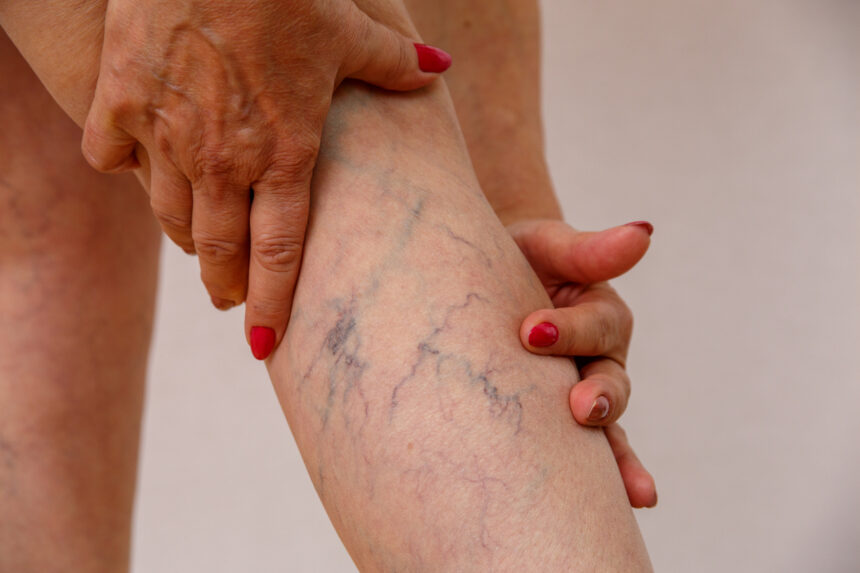
Varicose veins and spider veins also result from venous disorders. These enlarged, twisted veins become visible under your skin and may cause discomfort. While often viewed as cosmetic concerns, these veins indicate underlying circulatory problems that may require treatment.
Risk Factors
Several factors increase your likelihood of developing vascular disease. Age plays a key role, as blood vessels naturally weaken over time. Family history also matters significantly; having relatives with vascular problems raises your risk substantially.
Medical conditions contribute to vascular health problems. High blood pressure damages artery walls and increases plaque buildup. High cholesterol levels create fatty deposits that narrow your blood vessels. Diabetes affects blood vessel health and increases your risk of complications.
Get Evaluated for Vascular Problems Today
Vascular health problems require professional medical evaluation and treatment. Early detection helps prevent serious complications like heart attack, stroke, or tissue damage. Treatment options vary based on your specific condition and symptoms. Contact a qualified vascular specialist to discuss your concerns and receive proper evaluation for any circulatory system issues you may be experiencing.