

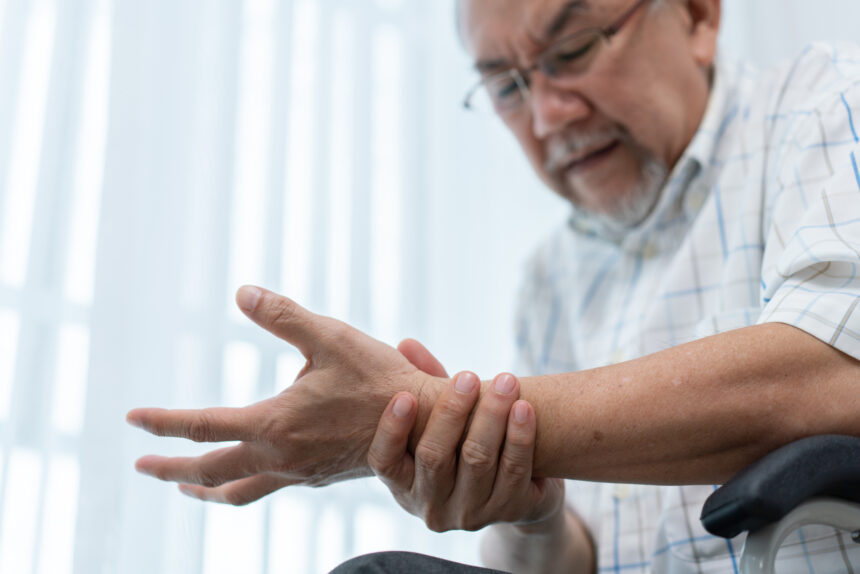
The field of orthopedics focuses on conditions affecting the musculoskeletal system, including bones, joints, ligaments, tendons, muscles, and nerves. These intricate systems enable movement and daily function, so injuries or diseases that affect them can significantly impact a person’s quality of life. Understanding common orthopedic conditions and their available treatments is the first step toward addressing musculoskeletal health.
Common Bone Disorders
The skeletal system forms the body’s framework but can be affected by various disorders that are common in orthopedics. Some common bone-related issues include:
- Fractures: Breaks in bones that range from simple cracks to complex breaks. Treatment can involve immobilization or surgical intervention.
- Osteoporosis: A condition that weakens bones, increasing the risk of fractures. It is managed with medication, a healthy diet, and regular exercise.
- Bone Infections (Osteomyelitis): Serious infections in the bone that require immediate treatment, usually with antibiotics or surgery to remove infected tissue.
Joint and Cartilage Issues
Joints play a role in mobility by connecting bones and enabling a wide range of motion. Arthritis is one of the most common causes of joint pain and stiffness. Osteoarthritis results from wear-and-tear over time, while rheumatoid arthritis is an autoimmune disorder. Both conditions can be managed with a combination of lifestyle changes, medication, and, in severe cases, joint replacement surgery.
Cartilage damage, often caused by injury or repetitive stress, can also lead to pain and restricted movement. Treatments for cartilage issues may include physical therapy or surgical procedures to repair or replace the damaged tissue. Joint instability, where a joint becomes prone to dislocation, is another frequent problem that can be addressed with strengthening exercises or surgical stabilization.
Spine and Back Conditions
Maintaining spinal health is beneficial for overall well-being, as the spine provides structural support and protects the spinal cord. Some common spinal issues and their treatments include:
- Herniated Discs: Occur when the soft cushion between vertebrae pushes out, often causing nerve pain. Treatments include physical therapy, medication, or surgery in severe cases.
- Scoliosis: A sideways curvature of the spine, often monitored during growth. Severe cases may require bracing or surgical correction.
- Chronic Back Pain: A common issue with many possible causes. Effective treatment requires a thorough evaluation and may involve physical therapy, medication, or injections.
Muscle and Tendon Injuries
Muscles and tendons enable movement and often sustain injuries from sports, accidents, or overuse. A sprain stretches or tears a ligament, while a strain injures a muscle or tendon. People commonly treat both with rest, ice, compression, and elevation (RICE), followed by physical therapy. Tendonitis inflames a tendon due to overuse, and individuals typically manage it with rest and anti-inflammatory measures to allow the tissue to heal.
Take the Next Step in Orthopedics
Addressing musculoskeletal pain and dysfunction is beneficial for maintaining an active and healthy life. The field of orthopedics offers an approach to diagnosing and treating a vast array of conditions affecting the body’s bones, joints, and related soft tissues. From common sprains to complex spinal disorders, management strategies are available. If you are experiencing persistent pain or limited mobility, seek a professional evaluation to explore your treatment options.