

Varicose veins affect millions of adults in the United States, making them a common vascular condition. These enlarged, twisted veins typically appear on the legs and can cause discomfort, pain, and cosmetic concerns. Understanding varicose veins, their causes, and treatment options can help you make informed decisions about your vascular health.
What Are Varicose Veins?
Varicose veins are enlarged, twisted veins that appear swollen and raised above the skin’s surface. These veins develop when the small valves inside blood vessels malfunction, causing blood to flow backward and pool in the vein. The increased pressure from this pooled blood causes the vein walls to stretch and become visible through the skin.
These veins most commonly occur in the legs and feet because these areas experience the greatest pressure from standing and walking. The condition differs from spider veins, which are smaller, thinner vessels that appear closer to the skin’s surface. Varicose veins are typically larger, more prominent, and may cause physical symptoms beyond cosmetic concerns.
What Causes Them?
Several factors contribute to the development of this condition, with genetics playing a primary role. A family history of varicose veins increases your likelihood of developing this condition. Age represents another risk factor, as vein walls and valves weaken over time, reducing their ability to maintain proper blood flow.
Hormonal changes, particularly in women, can increase varicose vein risk. Pregnancy, menopause, and hormone therapy can affect blood vessel elasticity and increase blood volume, putting additional strain on leg veins. Extended periods of standing or sitting can also contribute to varicose vein formation by reducing blood circulation in the lower extremities. Obesity places extra pressure on leg veins, making it more difficult for blood to return to the heart efficiently.
How Can You Identify Them?
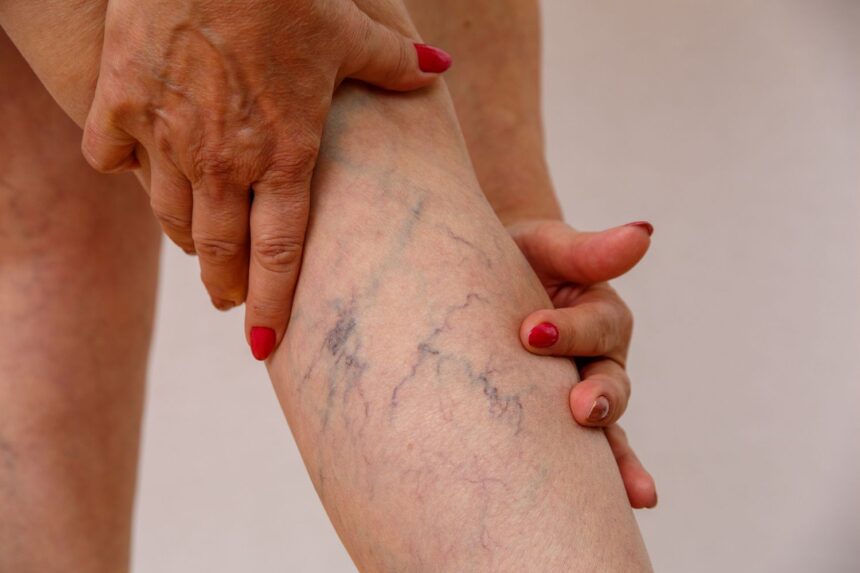
Varicose veins are typically visible as dark blue or purple, rope-like vessels beneath the skin’s surface. They often appear twisted or bulging and may be raised above the surrounding skin. The most common locations include the back and front of the calves, inside of the legs, and around the ankles.
Physical examination by a healthcare provider can confirm a varicose vein diagnosis and assess its severity. Ultrasound imaging may be used to evaluate blood flow patterns and identify any underlying venous insufficiency. This diagnostic approach helps determine the most appropriate treatment strategy.
When Should You Seek Treatment?
Medical treatment becomes advisable when these veins cause persistent pain, swelling, or interfere with daily activities. Skin changes, including discoloration, ulceration, or bleeding, indicate the need for prompt medical evaluation and intervention. Progressive worsening of symptoms or development of complications also warrants professional assessment.
Several treatment options are available depending on the severity and location of the veins:
- Minimally invasive procedures: Vein ablations use heat or laser energy to close affected veins. VenaSeal involves using a medical adhesive to seal problematic veins. Sclerotherapy uses injected solutions to close smaller veins.
- Surgical options: Phlebectomy involves the surgical removal of problematic veins through small incisions, typically reserved for more severe cases.
Treatment selection depends on factors including vein size, location, symptom severity, and patient preferences. A vascular specialist can evaluate your specific condition and recommend the most appropriate treatment approach.
Book a Consultation Today
Varicose veins represent a common vascular condition that can impact quality of life when left untreated. Understanding the causes, symptoms, and identification methods helps you make informed decisions about seeking medical care. Consult a qualified vascular specialist to discuss your questions about this condition and explore available treatment options. Early intervention can prevent symptom progression and reduce the risk of complications.