

After the age of 30, women begin to naturally lose bone density, making it even more important to focus on bone health. Weak bones can lead to osteoporosis, a condition that increases the risk of fractures and disability. The good news? With the right lifestyle changes and knowledge, you can maintain strong bones and reduce the risk of osteoporosis significantly.
Let’s explore how women can protect their bones after 30.
Why Bone Health Matters More After 30
Natural Bone Loss Begins
Women typically reach peak bone mass by their late 20s. After 30, bone remodeling slows down, and if bone loss outpaces bone formation, bones become fragile.
Women Are at Higher Risk
Women are more prone to osteoporosis due to:
- Hormonal changes (especially post-menopause)
- Smaller bone structure
- Pregnancy and breastfeeding-related calcium loss
According to the International Osteoporosis Foundation, 1 in 3 women over age 50 will experience an osteoporosis-related fracture.
Key Nutrients for Strong Bones
1. Calcium
The most vital mineral for bones. Women over 30 need 1,000–1,200 mg daily.
Sources include:
- Dairy products (milk, cheese, yogurt)
- Leafy greens (kale, bok choy)
- Almonds, chia seeds
- Fortified foods (soy milk, orange juice)
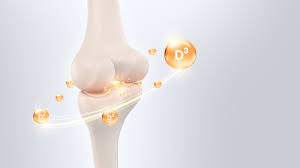
2. Vitamin D
Helps the body absorb calcium. Recommended daily intake: 600–800 IU.
Sources include:
- Sunlight (15–20 minutes daily)
- Fatty fish (salmon, tuna)
- Fortified dairy or cereals
- Supplements if levels are low
3. Magnesium and Vitamin K
- Magnesium helps convert vitamin D into its active form.
- Vitamin K supports calcium regulation and bone mineralization.
Best Exercises for Bone Strength
1. Weight-Bearing Exercises
Help stimulate bone growth.
Examples:
- Brisk walking
- Jogging
- Dancing
- Climbing stairs
2. Resistance Training
Builds muscle and strengthens bones.
Examples:
- Lifting weights
- Resistance bands
- Bodyweight squats and lunges
3. Balance and Flexibility Work
Prevents falls and fractures.
Examples:
- Yoga
- Tai Chi
- Pilates
Tip: Aim for at least 30 minutes of exercise most days of the week.
Lifestyle Tips to Maintain Bone Health
| Good Habits | Why They Help |
|---|---|
| Avoid smoking | Smoking reduces calcium absorption and estrogen levels |
| Limit alcohol | More than 1–2 drinks per day can weaken bones |
| Manage stress | Chronic stress affects hormone balance and bone health |
| Get regular checkups | Early bone density scans (DEXA) help detect loss early |
| Maintain a healthy weight | Being underweight increases osteoporosis risk |
Hormonal Health and Bone Density
Estrogen’s Role
Estrogen protects bones. During menopause, estrogen drops significantly, which accelerates bone loss.
What You Can Do
- Discuss hormone replacement therapy (HRT) with your doctor if you’re postmenopausal
- Consider plant-based estrogens like soy if HRT isn’t an option
- Monitor thyroid and adrenal function, as imbalances can also weaken bones
Bone Density Testing: When and Why
What is a DEXA Scan?
A painless X-ray that measures bone mineral density (BMD), especially in hips and spine.
Who Should Get Tested?
- Women aged 65+ routinely
- Women under 65 with risk factors:
- Family history
- Previous fractures
- Smoking
- Early menopause
Foods That Harm Bone Health
Avoid or limit:
- Excess salt – causes calcium loss
- Sugary sodas – high phosphorus interferes with calcium
- Caffeine – may reduce calcium absorption if consumed in excess
- Highly processed foods – lack nutrients vital for bones
Conclusion
Strong bones are essential for mobility, independence, and quality of life — especially as we age. Starting in your 30s, you can take charge by eating calcium-rich foods, getting vitamin D, staying physically active, and avoiding harmful habits. Regular checkups and lifestyle changes can go a long way in preventing osteoporosis and keeping your bones healthy for decades to come.
Frequently Asked Questions (FAQs)
1. Is bone loss after 30 normal?
Yes, some bone loss is natural, but excessive loss can lead to osteoporosis. Early prevention is key.
2. How do I know if I have weak bones?
Early bone loss has no symptoms. A DEXA scan can detect it. See a doctor if you have risk factors.
3. How much calcium do I need daily?
Women 30+ need about 1,000–1,200 mg of calcium per day from food and supplements.
4. Can I reverse bone loss?
You can’t fully reverse it, but you can slow or stop further loss through diet, exercise, and medication if needed.
5. Is milk the only good source of calcium?
No. Leafy greens, almonds, tofu, sesame seeds, and fortified plant-based milks are also excellent sources.
6. Do bones only weaken after menopause?
Bone density starts declining after 30, but post-menopause accelerates the loss due to estrogen drop.
7. How does exercise improve bone health?
Weight-bearing and resistance exercises stimulate bones to produce more tissue, improving density and strength.
8. Can vitamin D deficiency affect bone strength?
Yes, without enough vitamin D, your body cannot absorb calcium effectively, leading to weak bones.