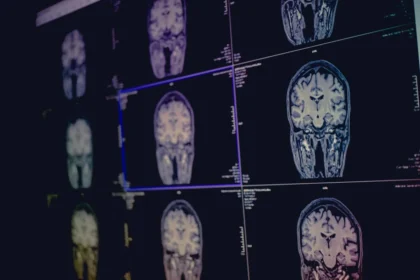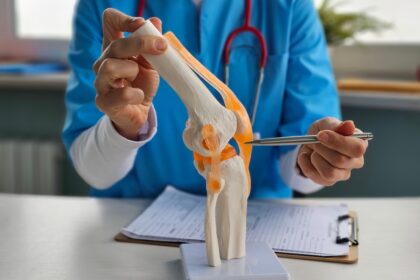



Bone health is shaped by many factors throughout life, including age, nutrition, physical activity, and lifestyle habits. Bones are in a constant state of renewal, with peak bone mass usually achieved by age 30, after which loss of bone strength may begin to outpace formation. Nutrition and exercise play a substantial role in supporting bone density and reducing the risk of future bone weakness, alongside routine assessments that help monitor bone status.
What Affects Bone Health?
Several medical conditions and health-related factors can impact bone strength and density. Osteoporosis is a common condition characterized by reduced bone mass and deterioration of bone structure. This leads to increased risk of fractures in areas such as the hip, spine, and wrist. Gastrointestinal diseases may interfere with nutrient absorption, affecting calcium and vitamin D levels that are necessary for bone health.
Chronic kidney disease can disrupt the body’s calcium balance, which compromises bone strength. Inflammatory conditions like rheumatoid arthritis may further promote bone loss. Lifestyle factors, particularly the use of tobacco products and regular excessive alcohol consumption, have also been associated with increased bone density loss.
How Can Bones Be Improved?
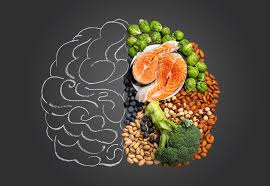
Focused nutritional intake and regular physical activity can help support bone mass and skeletal integrity. A balanced diet with adequate calcium and vitamin D forms the foundation for bone strength. Key elements of a healthy diet for bone health are:
- Calcium: Most adults aged 19–50 and men up to 70 are recommended to obtain roughly 1,000 mg daily. High-calcium foods include dairy products, soy-based items, and certain types of fish.
- Vitamin D: Vitamin D assists in calcium absorption. For adults, about 600 IU daily is recommended.
Deficiencies in either nutrient are linked to increased bone breakdown and decreased bone density. Physical activity counters bone loss and strengthens skeletal tissue. Methods to improve bone strength include:
- Weight-Bearing Exercise: Activities such as walking, running, and stair climbing can exert healthy stress on bones, stimulating bone-building processes and reinforcing the skeleton.
- Strength Training: Lifting weights, using resistance bands, or performing exercises that engage body weight can promote stronger muscles and bones, mainly in the arms, hips, and spine.
Regular physical activity is connected to lower rates of bone fracture, particularly when introduced early in life and maintained through adulthood.
What Services Benefit the Bones?
Radiology services can support bone health by addressing fragility fractures and certain painful bone conditions. Procedures such as vertebral augmentation are intended to provide structural stability in the vertebrae following compression fractures. Radiofrequency ablation is another option for select patients experiencing pain linked to bone tumors. This can help to reduce discomfort by targeting and treating affected areas directly. Bone stabilization techniques are used in cases where weakened or fractured bones require reinforcement to restore function and relieve pain. These minimally invasive services are performed by specialized physicians to help improve the quality of life and mobility for individuals experiencing bone-related health challenges.
Speak Further With a Medical Expert
Bone health is a dynamic process shaped by age, diet, and activity level. Targeted nutritional choices and physical exercise can help preserve bone mass throughout adulthood, while radiology services contribute to early detection and management of bone health concerns. If you have questions on bone health, schedule a consultation with a medical professional who can recommend appropriate evaluations.