

A cardiac stress test provides a window into your heart’s performance during times of increased effort. It is a diagnostic process that monitors vital cardiac indicators while you exercise, often on a treadmill or stationary bike. The test creates a controlled environment in which your heart is encouraged to work harder than usual, mimicking the demands it would face in daily physical activities or emotional situations. Here are some ways stress tests help detect heart problems early:
Assessing Baseline Cardiac Function
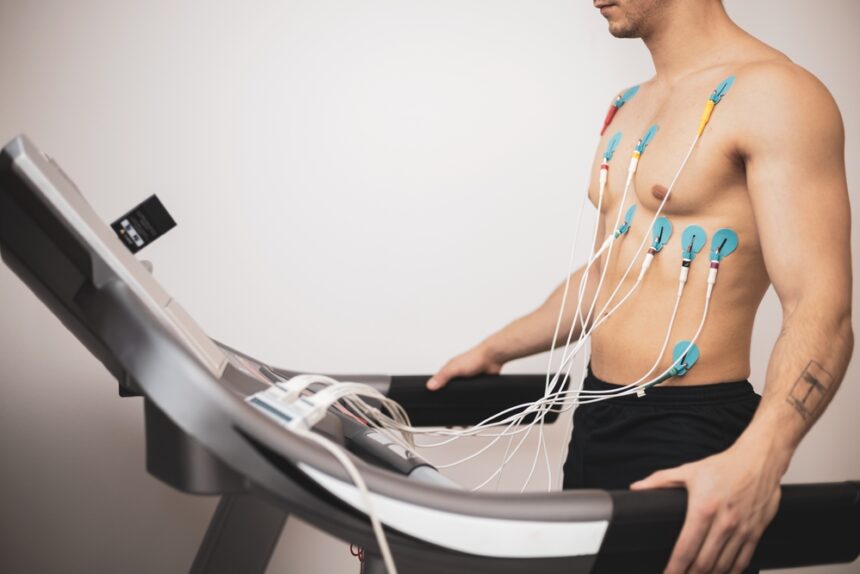
Before a stress test, preparation and baseline data collection are key. A technician applies several adhesive patches to your chest, arms, and legs. These are attached to an electrocardiogram (ECG) machine, which continuously records your heart’s electrical activity. Initial measurements include your resting heart rate, blood pressure, and heartbeat’s rhythm. The data collected represents how your heart operates when you are calm and at rest. If your resting blood pressure or heart rate falls outside the usual range, your doctor will ask questions about your medical history. The ECG’s electrical tracing provides the medical team with a baseline to assess how your heart’s response changes as physical activity begins.
Increasing Heart Rate
During a stress test, the primary goal is to safely and gradually increase your heart rate. This allows your doctor to observe how your heart functions when it’s working harder, as it would during periods of physical activity or emotional stress. Monitoring your heart’s electrical activity as it reaches a target rate enables doctors to detect issues that might not be visible at rest. Some methods of monitoring your heart rate include:
- Exercise: You will start by walking on a treadmill or pedaling a stationary bike at a gentle pace. The intensity will gradually increase to raise your heart rate to a target level based on your age and fitness.
- Echocardiography: An ultrasound of your heart may be taken before and after exercise. This helps your doctor see how your heart muscle is pumping blood.
- Nuclear Stress Testing: A small amount of radioactive tracer is injected into your bloodstream. A camera then captures images of your heart at rest and after exercise to show areas of poor blood flow.
- Medication: If you are unable to exercise, your doctor can give you medication that increases your heart rate; this mimics the effects of physical activity.
Reading the Results
Your provider will review the full set of data: resting results, readings at each activity level, and recovery values as your heart rate and blood pressure return to normal. A key insight is how your ECG tracings change throughout the process. Doctors look for patterns that indicate reduced blood flow, irregular heartbeats, or electrical alterations that suggest a blockage.
This review does not provide a diagnosis on its own but adds data for the broader clinical picture. A significant drop in blood pressure during exertion may trigger further investigation. Steady, consistent readings might reassure your healthcare team about your heart’s current condition. If unusual findings are present, your provider may recommend additional tests, such as echocardiograms or imaging.
Schedule a Stress Test Today
Early detection of potential heart issues is a proactive approach to maintaining your health. A stress test helps reveal how your heart performs when under physical strain. If heart problems are identified earlier, you have the chance to determine appropriate monitoring, lifestyle changes, or further testing. Contact a cardiologist today to schedule an appointment and learn more about your cardiovascular health.