

Diabetes can impact various aspects of health, often leading to complications with foot care. Many individuals with diabetes experience challenges such as reduced circulation and nerve damage, which increase the risk of foot problems. One effective tool that supports foot health in this population is the use of orthotics. Designed to provide support, alignment, and pressure relief, orthotics can help those with diabetes take proactive measures to maintain foot health. Understanding the benefits and materials involved in orthotics can help individuals make informed decisions about foot care.
What Foot Problems Affect Diabetics?
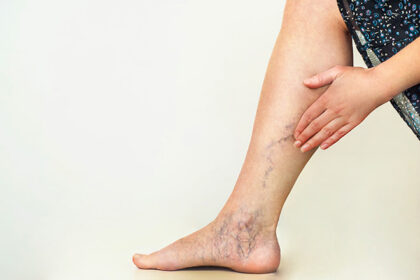
Diabetes can cause several issues for the feet, ranging from minor discomfort to more severe complications. Common problems include:
- Neuropathy: Nerve damage caused by diabetes can result in reduced sensation in the feet, making injuries or pressure points harder to detect.
- Poor circulation: Limited blood flow to the feet can delay healing processes and make the skin more prone to injury or infection.
- Foot ulcers: Open sores on the foot can develop from pressure, friction, or unnoticed injuries. Left untreated, ulcers may worsen.
- Calluses and corns: Excessive pressure on specific areas of the foot can lead to thickened skin, which increases the risk of irritation or infection.
These issues underscore the need for tools that can provide support and prevent complications, particularly for daily wear.
How Do Orthotics Reduce Ulcer Risk?
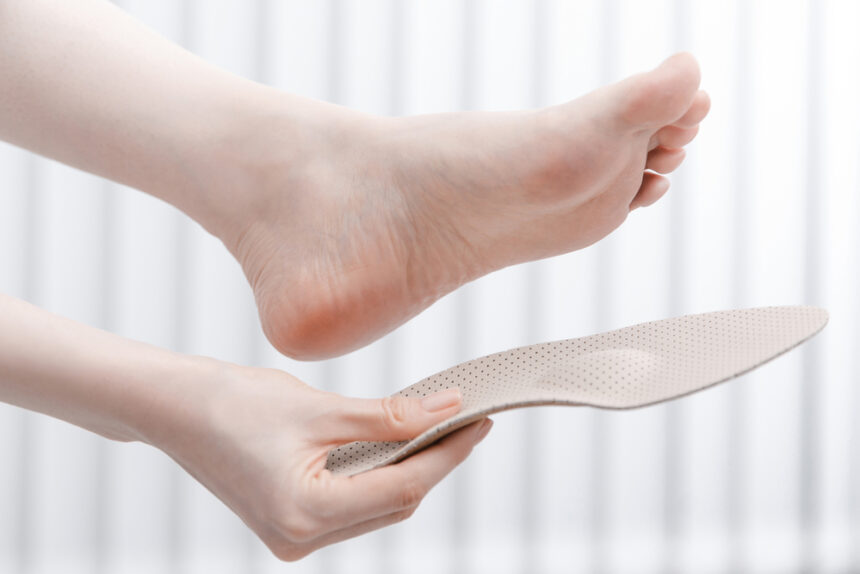
Orthotics are customized or pre-made insoles designed to align the feet, redistribute pressure, and provide cushioning. By addressing these factors, orthotics help prevent the formation of ulcers. These are common and serious conditions affecting individuals with diabetes.
Ulcers on the feet often occur due to uneven pressure during walking or standing. Orthotics can help balance this pressure, minimizing strain on vulnerable areas. This redistribution supports skin integrity, where excessive friction or tension might otherwise cause an open sore.
Beyond pressure management, orthotics help by stabilizing foot movement. Unstable walking patterns or poorly fitting shoes can contribute to the development of abrasions. Orthotic insoles help minimize these risks, creating a layer of protection as individuals go about their daily routines.
What Materials Work Best for Diabetics?
The choice of materials plays a significant role in the effectiveness and comfort of orthotics for diabetics. Suitable materials combine softness, durability, and the ability to relieve pressure. Common options include:
- Gel and foam: These materials provide cushioning to reduce the impact of everyday activities, offering a softer walking experience.
- Memory foam: Adapting to the shape of the foot, memory foam effectively supports weight distribution and eliminates pressure points.
- Leather: Durable and breathable, leather provides long-lasting support, often paired with softer layers for added comfort.
- Silicone: Highly flexible and resistant to wear, silicone is well-suited for managing shock absorption while remaining comfortable.
Each material offers specific benefits designed to meet the diverse needs of individuals managing diabetes, providing them with the flexibility to select the most suitable option for their lifestyle.
Consult a Podiatrist
Orthotics can be key for supporting foot health in individuals with diabetes, but choosing the right option requires expert guidance. A podiatrist can assess your specific needs, identify potential risks, and recommend orthotics tailored to improve foot care and comfort. Taking a proactive approach to foot health can help reduce complications and make everyday activities easier. Whether you’re dealing with mild discomfort or more serious foot issues, consulting a professional can make a significant difference in your overall well-being.