

Venous ulcers develop when blood circulation problems prevent proper healing in the lower legs and feet, causing discomfort and disrupting daily activities. Understanding the nature of these ulcers and available treatment options can help you make informed decisions about your care. Here is more information on what venous ulcers are, the factors that contribute to their development, recognizable symptoms, and current treatment approaches:
What Are Venous Ulcers?
Venous ulcers are open wounds that develop on the lower legs, typically around the ankle area. These ulcers form when damaged veins cannot effectively return blood to the heart, causing blood to pool in the lower extremities. The resulting pressure buildup leads to skin breakdown and the formation of wounds.
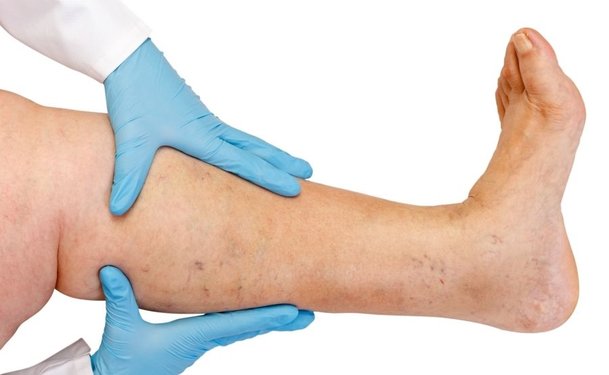
These ulcers typically appear as shallow, irregularly shaped wounds with red or yellow tissue at the base. The surrounding skin often shows signs of discoloration, ranging from brown to purple, indicating chronic venous insufficiency. The chronic nature of these wounds stems from the underlying circulatory problems that prevent normal healing processes.
What Causes Them?
Venous ulcers develop when the veins in your legs cannot effectively pump blood back to your heart. This condition, known as chronic venous insufficiency, occurs when the one-way valves in your veins become damaged or weakened. When these valves fail to function properly, blood flows backward and accumulates in the lower legs.
Several factors contribute to the development of venous insufficiency and subsequent ulcer formation. Age plays a significant role, as vein walls and valves naturally weaken over time. Previous blood clots, known as deep vein thrombosis, can permanently damage the walls and valves of veins. Varicose veins also increase the risk by indicating underlying valve dysfunction.
What Are the Symptoms?
Venous ulcers exhibit distinctive characteristics that distinguish them from other types of wounds. The ulcers typically appear as shallow, open sores with irregular borders, usually located around the ankle or lower calf area. The wound base often contains red granulation tissue mixed with yellow or white fibrous material.
Some experience constant, dull aching, while others report minimal discomfort, particularly when the leg is elevated. Surrounding skin changes provide additional diagnostic clues. The skin surrounding venous ulcers often exhibits brown or purple discoloration, which occurs when red blood cells break down and deposit iron in the tissue.
How Are They Treated?
Treatment focuses on addressing the underlying circulation problems while promoting wound healing. The primary goal involves improving blood flow from the legs back to the heart through various interventions. A comprehensive treatment plan typically combines wound care with procedures to correct venous insufficiency.
Compression therapy forms the cornerstone of venous ulcer treatment. Compression bandages or stockings apply graduated pressure to the leg, helping push blood upward toward the heart. Specialist dressings help maintain optimal moisture levels while protecting the wound from bacteria and debris. Regular dressing changes allow healthcare providers to monitor healing progress and adjust treatment as needed.
Several minimally invasive procedures can address the underlying venous insufficiency. Endovenous laser therapy (EVLT) uses laser energy to seal damaged veins, redirecting blood flow to healthier vessels. Ultrasound-guided sclerotherapy involves injecting a solution that causes problematic veins to collapse and fade. Varithena® foam sclerotherapy represents another option, using a specialized foam to treat larger varicose veins and their underlying causes.
See a Skin Changes Specialist
Venous ulcers benefit from comprehensive evaluation and individualized treatment plans that address both the ulcer and underlying circulation problems. Early intervention can prevent complications and reduce the risk of recurrence. Contact a qualified healthcare provider today to begin your journey toward healing and improved leg health.