
DigitalConnectMag.Com
  • Home
  • Technology
  • Business
  • Health
    • General Health
    • Dentistry
    • Women Health
    • Cardiology
    • Mental Health
    • Gynecology
    • Pain Management
  • Finance
  • Law
  • About Us
  • Contact Us
Reading: Chronic Pain vs Acute Pain: Understanding the Difference and How to Treat Each
Share
DigitalConnectMag.ComDigitalConnectMag.Com
Aa
  • Home
  • Contact Us
  • About Us
  • Privacy Policy
Search
  • Home
  • Technology
  • Business
  • Health
    • Dentistry
    • Women Health
    • Cardiology
    • Mental Health
    • Gynecology
    • Pain Management
  • Finance
  • Law
Have an existing account? Sign In
Follow US
© Foxiz News Network. Ruby Design Company. All Rights Reserved.
Pain Management

Chronic Pain vs Acute Pain: Understanding the Difference and How to Treat Each

timeviewblog@gmail.com
Last updated: 2025/06/30 at 11:15 AM
timeviewblog@gmail.com
Share
6 Min Read
SHARE

Pain is the body’s natural response to injury or illness, but not all pain is the same. Understanding the differences between chronic pain and acute pain is crucial in diagnosing, managing, and treating these conditions effectively. In this article, we explore the causes, symptoms, treatment options, and coping strategies for both types of pain.

Contents
What Is Pain? A Brief OverviewAcute Pain: Fast-Acting and Temporary🔹 Definition and Duration🔹 Common Causes of Acute Pain🔹 Symptoms of Acute Pain🔹 Treatment for Acute PainChronic Pain: Persistent and Complex🔹 Definition and Duration🔹 Common Causes of Chronic Pain🔹 Symptoms of Chronic Pain🔹 Treatment for Chronic PainKey Differences Between Chronic and Acute PainWhy Correct Diagnosis MattersMultidisciplinary Approach to Pain ManagementWhen to Seek Medical Help8 Frequently Asked Questions (FAQs)Conclusion

What Is Pain? A Brief Overview

Pain is a protective mechanism that alerts the body to potential harm. It can vary in duration, intensity, and underlying cause. Pain can generally be categorized into two main types:

  • Acute Pain: Short-term, sudden onset
  • Chronic Pain: Long-lasting, persists for months or even years

Acute Pain: Fast-Acting and Temporary

🔹 Definition and Duration

Acute pain typically occurs suddenly and has a specific, identifiable cause. It usually lasts less than 3 to 6 months and goes away once the underlying issue is treated.

🔹 Common Causes of Acute Pain

  • Surgical procedures
  • Bone fractures
  • Dental work
  • Burns or cuts
  • Labor and childbirth
  • Infections or inflammation

🔹 Symptoms of Acute Pain

  • Sharp, stabbing, or throbbing sensation
  • Localized discomfort
  • Swelling, redness, or bruising
  • Temporary and improves with healing

🔹 Treatment for Acute Pain

Medical treatments:

  • Over-the-counter (OTC) pain relievers like acetaminophen or ibuprofen
  • Prescription medications (for more severe cases)
  • Ice or heat therapy
  • Rest and elevation
  • Physical therapy (post-injury or post-surgery)

Chronic Pain: Persistent and Complex

🔹 Definition and Duration

Chronic pain lasts beyond the normal healing time, typically more than 12 weeks, and may exist even without an obvious cause or injury.

🔹 Common Causes of Chronic Pain

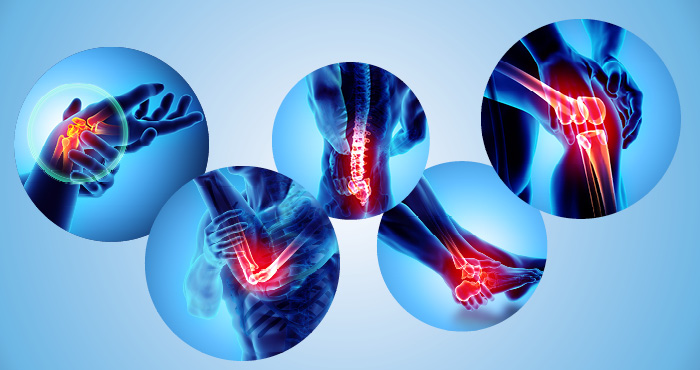
  • Arthritis
  • Fibromyalgia
  • Migraines or tension headaches
  • Neuropathy (nerve damage)
  • Cancer-related pain
  • Lower back pain
  • Post-surgical complications

🔹 Symptoms of Chronic Pain

  • Constant dull ache or burning sensation
  • Sleep disturbances
  • Mood changes like depression or anxiety
  • Fatigue
  • Decreased mobility or flexibility

🔹 Treatment for Chronic Pain

Medical interventions:

  • Prescription medications (opioids, antidepressants, anticonvulsants)
  • Nerve blocks or injections
  • TENS (Transcutaneous Electrical Nerve Stimulation) therapy
  • Surgery (in select cases)

Alternative & lifestyle treatments:

  • Physical therapy or chiropractic care
  • Acupuncture
  • Cognitive Behavioral Therapy (CBT)
  • Mindfulness and meditation
  • Regular low-impact exercises
  • Diet changes and hydration

Key Differences Between Chronic and Acute Pain

FeatureAcute PainChronic Pain
OnsetSuddenGradual or persistent
DurationLess than 3–6 monthsMore than 12 weeks
CauseEasily identifiableMay or may not be known
Treatment GoalCure the underlying causeManage symptoms, improve life quality
Emotional ImpactLess likelyHigh, often leads to anxiety/depression

Why Correct Diagnosis Matters

A correct diagnosis ensures:

  • Effective treatment planning
  • Prevention of long-term complications
  • Proper use of medications and therapies
  • Improved quality of life for the patient

Misdiagnosing chronic pain as acute can lead to ineffective short-term treatments, while ignoring acute pain may result in delayed healing or worsening of the condition.


Multidisciplinary Approach to Pain Management

For chronic conditions especially, a team-based approach yields better outcomes. This may include:

  • Pain specialists
  • Physical therapists
  • Psychologists
  • Dietitians
  • Primary care physicians

Combining physical, psychological, and medical therapies improves pain control and emotional well-being.


When to Seek Medical Help

You should consult a doctor if:

  • Pain persists beyond a few weeks
  • You experience unexplained weight loss, fever, or numbness
  • Pain interferes with sleep or daily activities
  • OTC medications do not provide relief

8 Frequently Asked Questions (FAQs)

1. What is the main difference between acute and chronic pain?
Acute pain is short-term and usually results from a specific injury or illness, while chronic pain persists for longer than 3 months and may not have a clear cause.

2. Can acute pain turn into chronic pain?
Yes, if acute pain is not treated properly or if healing is delayed, it can develop into chronic pain.

3. Is chronic pain a disease in itself?
Yes, chronic pain is considered a health condition that can affect both physical and mental health independently of its original cause.

4. Are opioids safe for chronic pain treatment?
Opioids can be used for chronic pain but are usually prescribed cautiously due to the risk of addiction and side effects.

5. Can lifestyle changes help in chronic pain management?
Yes, regular exercise, stress reduction, proper sleep, and a healthy diet significantly help in reducing chronic pain symptoms.

6. Is surgery a solution for both chronic and acute pain?
Surgery is generally more common for acute issues (e.g., fractures) but may be considered for chronic pain in severe or non-responsive cases.

7. What role does mental health play in chronic pain?
Mental health is deeply connected; chronic pain can lead to depression and anxiety, and treating these conditions often reduces pain intensity.

8. How is pain measured or diagnosed?
Doctors use patient-reported symptoms, physical exams, imaging (X-rays, MRIs), and sometimes psychological assessments to diagnose the type and cause of pain.


Conclusion

Understanding the difference between chronic and acute pain is essential for timely and effective treatment. While acute pain typically resolves with appropriate medical care, chronic pain requires a more comprehensive, long-term strategy involving both physical and mental health approaches. If you’re experiencing persistent or severe pain, don’t ignore it—early diagnosis and treatment can make all the difference.


You Might Also Like

The Role of Pain Clinics in Comprehensive Pain Management Plans

Daily Habits That Might Be Causing Your Neck Pain

Knee Pain Symptoms and When To Get Help

Navigating the Options for Pain Management With Your Doctor

How a Spine Specialist Can Address Spinal Stenosis

Share This Article
Facebook Twitter Email Print
Leave a comment Leave a comment

Leave a Reply Cancel reply

Your email address will not be published. Required fields are marked *

New Releases

- Advertisement -
Ad image

Trending Stories

Healthy teeth and gums help you eat, speak, and smile with ease. Yet many people wait for pain before seeing a dentist. Is that the best way to care for your mouth? Preventive care focuses on stopping problems before they grow. With the right habits and routine visits, you can avoid many common issues. Simple steps taken early can protect your teeth for years. This guide shares expert tips to improve oral health through daily care, smart choices, and early checks that support long-term wellness. Build Strong Foundations With Routine Dental Visits Regular dental visits are the basis of good oral health. Dentists clean areas that brushing may miss and remove plaque before it hardens. These visits also help spot small problems early, when they are easier to treat. Cleanings keep gums healthy and reduce bad breath. Routine care builds trust with your provider and helps you feel at ease. Over time, these visits support strong teeth and fewer surprises. Practice Daily Habits That Protect Teeth and Gums Daily habits play a big role in oral wellness. Brushing twice a day removes food and plaque that cause decay. Flossing helps clean between teeth where brushes cannot reach. Using fluoride toothpaste adds extra protection to enamel. Drinking water also helps wash away sugars. Small actions done well make a real difference and support a healthy smile. Use Early Detection to Prevent Bigger Problems Early detection helps stop minor issues from turning serious. Dentists check for cavities, gum disease, and signs of wear. They may also spot changes in the mouth that need quick care. Finding problems early often means simpler treatment and lower costs. It also reduces stress and discomfort. Regular checks give peace of mind and protect long-term oral health. Choose Quality Care That Fits Your Needs Quality care goes beyond tools and machines. Look for providers who explain options in clear, simple words. They should listen to concerns and answer questions with patience. Clean spaces and clear safety steps also matter. Sometimes, a single day is all it takes to get the quality care you need when you visit or choose the right dental team. When care feels personal, people are more likely to return and stay consistent. Support Long-Term Wellness With Smart Choices Oral health connects to overall wellness. Eating less sugar helps prevent decay and gum issues. Avoiding tobacco protects gums and lowers health risks. Wearing mouth guards during sports prevents injury. These smart choices support teeth for the long run. Preventive care is not one step but a lifestyle built on steady, healthy decisions. Start Improving Your Oral Health With These Expert Preventive Care Tips Now Improving oral health does not need to be hard or confusing. Preventive care focuses on routine visits, daily habits, and early checks that protect your smile. When problems are found early, treatment is often easier and less costly. Choosing quality care builds trust and keeps you informed. Smart choices at home also support long-term wellness. Together, these steps help maintain healthy teeth and gums for years, leading to comfort, confidence, and better overall health. For more helpful tips, be sure to read other articles on different topics across our blog.
Dentistry

Improve Oral Health With Expert Preventive Care Tips

December 26, 2025
Foot Specialist
Health

When to See a Foot Specialist for Persistent Foot Issues

September 15, 2025
Mommy Makeover
Women Health

Transforming Your Post-Pregnancy Body With a Mommy Makeover

September 25, 2025
Invisalign Transforms Smiles
Dentistry

How Invisalign Transforms Smiles

August 27, 2025

Open-Concept Kitchen vs. Closed Kitchen: Which Layout Is Better for Your Home?

December 13, 2025
Law

Personal Injury Legal Help: Protect Your Rights and Get Compensation

January 22, 2026

Follow US on Social Media

Facebook Youtube Steam Twitch Unity
DigitalConnectMag.Com
  • Contact Us
  • About Us
  • Privacy Policy
Welcome Back!

Sign in to your account

Lost your password?