

Have you ever wondered how stores and warehouses keep track of everything they sell? Inventory management is changing fast as new technology makes things easier and more efficient. Today, businesses want to avoid running out of products without keeping too much stock.
Technology innovations are helping companies solve these challenges. With tools like artificial intelligence and smart devices, the future of inventory control looks bright. Automation is also making a big difference.
By reading this blog, you will discover the top trends shaping inventory management and how they can help businesses stay ahead. Read on!
The Rise of Artificial Intelligence
Every day, artificial intelligence (AI) is changing how businesses manage inventory. Machine learning tools can determine which products will sell quickly and which might not. As a result, businesses can order the right quantity of products.
Moreover, AI can identify trends that humans might overlook. By automating routine tasks, it can save time. Using real-time sales data, AI-powered systems adjust inventory levels.
These systems can even predict when to replenish particular items. AI reduces errors. This leads to better customer service and fewer lost sales.
Internet of Things (IoT) in Inventory Management
The Internet of Things (IoT) is a network of interconnected smart devices that can communicate with one another. Sensors installed on shelves and boxes track products as they move through warehouses. This means companies can always track their products’ locations.
When stock is low, IoT devices send automatic alerts. They also help monitor product conditions such as temperature and humidity. This is especially important for items that require specialized care.
IoT reduces the need for manual checks. In addition to improving inventory management accuracy, it also speeds up the process. More businesses are implementing IoT to improve control.
Automation Streamlines Operations
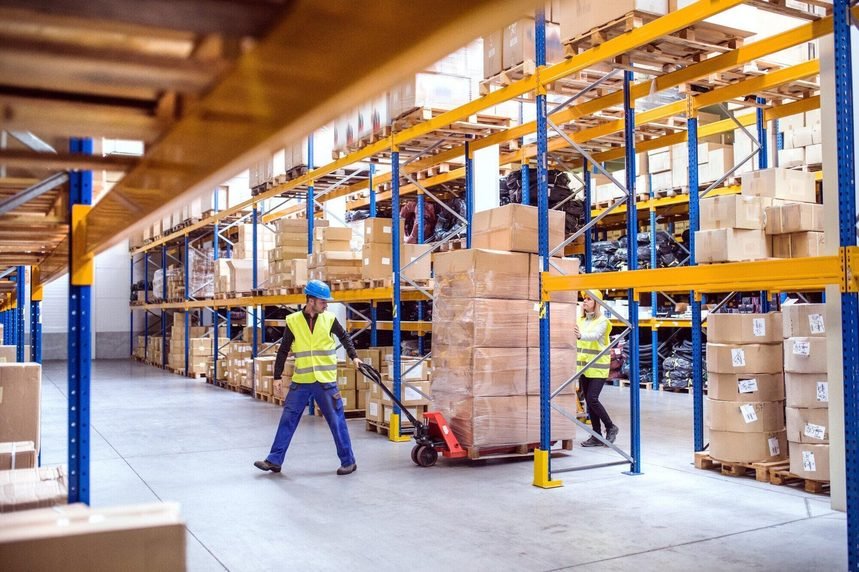
Automation makes many inventory management tasks much easier. Robots and automated machines can move, sort, and pack products without human help. This speeds up work and reduces errors.
Automated systems keep real-time records of inventory levels. They can reorder products when supplies run low. This means businesses do not have to worry about running out.
Staff can focus on other important tasks. Automation also helps save money by cutting labor costs. It is now easier than ever to manage inventory with fewer people involved.
Cloud-Based Inventory Solutions
Cloud technology lets companies manage inventory from anywhere. With cloud-based systems, staff can check stock levels using computers or smartphones. Updates happen in real time, so everyone has the latest information.
Cloud inventory tools make it easier for teams to work together. They also help companies grow by supporting more products and locations. Cloud systems are usually secure and keep data safe.
Upgrades to these systems happen automatically. Businesses can also connect other software easily. Cloud-based solutions are becoming the standard for modern inventory management.
Data Analytics for Smarter Decisions
Data analytics turns huge amounts of information into useful insights. Companies can use analytics to understand sales patterns and customer preferences. This helps make better decisions about what to stock and when to reorder.
Analytics tools can quickly spot slow-moving items. This way, businesses avoid wasting money storing products that do not sell. Data also helps plan for busy seasons.
Companies can react faster to changes in demand. Analytics leads to smarter buying and selling. It helps businesses grow and become more competitive in their markets.
Mobile Inventory Management
Mobile devices are shifting how people manage and track inventory. For checking products and scanning barcodes, employees can now use their smartphones or tablets. This makes work more efficient and less stressful.
Mobile apps provide instant access to the most recent stock levels. Employees can also update records on the go. As a result, paperwork is less likely to contain errors.
Using and learning how to use mobile tools is simple. They make it easier for teams to collaborate, even when they are located in different places.
Inventory management is becoming more adaptable and responsive as more people use mobile devices.
Sustainable Inventory Practices
In today’s inventory management, sustainability is becoming an increasingly popular trend. Businesses aim to reduce their environmental impact and cut down on waste.
By using data, businesses can order only what they need. This helps to reduce the amount of unused products that wind up in the garbage.
Additionally, intelligent systems help trace the origins of goods. Responsible sourcing of products is ensured as a result of this. Businesses are now recycling their packaging and using environmentally friendly materials.
In addition, many companies are working to reduce energy consumption in their warehouses. These practices benefit the environment while also saving money.
Inventory Management for Specialized Industries
Not all businesses have the same inventory needs. Some industries require special tracking and care. For example, food companies must closely track expiry dates.
Others, like fashion, must manage fast-changing trends and seasons. Medical Supplies often require strict tracking and temperature control to stay safe and effective. The right inventory tools can help meet these needs.
Specialized software can monitor products and ensure safety rules are followed. By using the right technology, every industry can manage inventory more effectively. This leads to better service and fewer mistakes.
The Human Touch in a High-Tech World
People still play an important role in inventory management, despite the proliferation of new technologies. When unanticipated problems arise, staff make decisions quickly. Not to take their place, but to make their jobs easier, employees use technology to make their jobs easier.
With training, teams can make the most of newly implemented systems. People still need to provide good customer service. Human experience can solve problems that computers cannot.
Technology gives employees better tools to do their jobs. However, people still ensure everything runs smoothly every day. The most effective inventory management systems combine human expertise with cutting-edge technology.
Staying Ahead in Inventory Management
Inventory management is changing quickly as technology evolves and teams work smarter. Trends like AI, IoT, and automation make it easier to track and control products. Businesses that keep up with these changes will stay ahead of their competition.
Using data and cloud solutions helps teams work together more effectively. Sustainable practices also matter more than ever before. The future of inventory management combines tech with human skills.
Did you like this guide? Great! Please browse our website for more!