


Breast augmentation involves using implants or fat transfer to increase breast size. Women choose this surgery for various reasons, ranging from restoring breast volume lost after weight reduction or pregnancy to achieving a more rounded breast shape or improving natural breast size asymmetry. Patients who educate themselves on the procedural steps and the healing timeline may have more realistic expectations and a smoother experience.
What Is Breast Augmentation?
Breast augmentation is a surgical procedure designed to enhance the size and shape of the breasts. While many associate the surgery strictly with increasing cup size, it also addresses issues of volume loss and balance. Implants act as the most common method for augmentation. They come in various types, primarily saline and silicone.
Saline implants contain sterile salt water. If the implant shell leaks, a saline implant will collapse, and the body will absorb and expel the saline naturally. Silicone implants contain silicone gel, which feels more like natural breast tissue. If a silicone implant leaks, the gel may remain within the implant shell or escape into the breast implant pocket. Surgeons place these materials either behind the breast tissue or beneath the chest muscle. The placement choice affects the final aesthetic and the recovery experience.
What Should You Expect?
The surgical journey begins well before entering the operating room. Your initial consultation allows the surgeon to evaluate your health and discuss your aesthetic goals. You will review implant types, sizes, and surface textures.
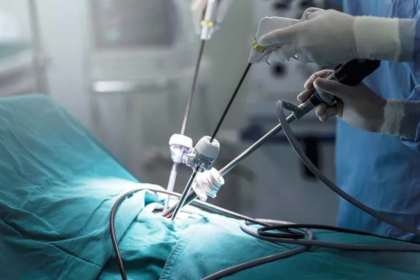
On the day of surgery, the medical team administers anesthesia. Most breast augmentations occur under general anesthesia, meaning you sleep through the entire procedure. The surgeon then makes a single incision in one of three common areas: under the breast fold, around the nipple, or in the armpit. This incision serves as the entry point for the implant.
Once the surgeon creates a pocket either behind the tissue or the muscle, they insert and center the implant. After verifying symmetry and placement, the surgeon closes the incisions. You will move to a recovery area for monitoring as the anesthesia wears off.
What Does Recovery Entail?
Recovery happens in stages, and your body requires time to heal and adjust to the new weight and shape. Immediate recovery involves soreness, swelling, and tightness in the chest area. Your surgeon will likely wrap the chest in a compression bandage or a support bra to minimize swelling and support the breasts as they heal.
Rest is the priority during the first few days. Pain medication can help manage discomfort. Most acute pain subsides within one to five days. While many patients return to work soon after the surgery, strenuous activities remain off-limits. You must avoid vigorous exercise or heavy lifting for several weeks. The swelling will start to decrease, but it may take weeks for the inflammation to resolve completely.
Consult a Cosmetic Surgeon
A consultation with a cosmetic surgeon allows you to ask specific questions about your anatomy and how it influences the results. They can clarify the lifespan of implants, as they are not lifetime devices and may require replacement in the future. By partnering with a qualified medical professional, you gain the insight needed to make a safe and informed choice about your body.