


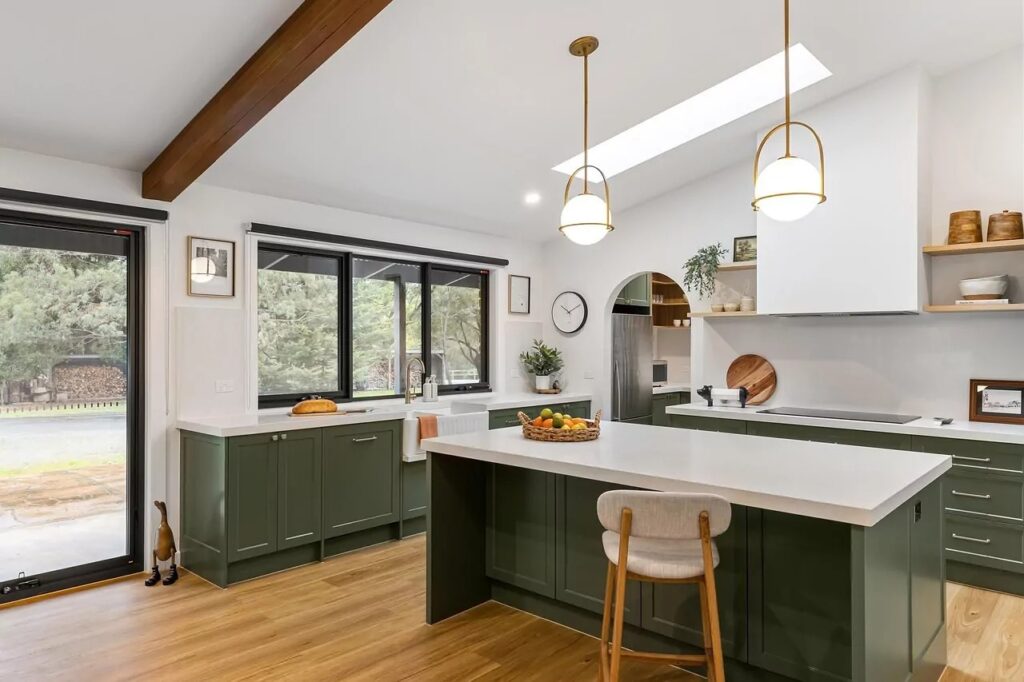
Choosing the right kitchen layout is one of the biggest decisions homeowners face during a renovation. The kitchen is no longer just a cooking zone, it’s a gathering space, a casual dining area, a homework station, and a daily hangout. Because of this, the debate between open-concept kitchens and closed kitchens has become one of the most important conversations in home design.
Both layouts have dedicated fans, and both offer unique advantages. The best choice really depends on your lifestyle, your home’s structure, and how you use your kitchen day-to-day. Before you commit to a full remodel, it’s worth slowing down and understanding the real differences, the functional impact of both styles, and how each layout shapes the mood, flow, and usability of your home.
Let’s break down the pros, cons, and ideal scenarios for open-concept and closed kitchens, so you can choose the layout that feels right for your life.
What Is an Open-Concept Kitchen?
An open-concept kitchen is designed without walls separating it from the living room and dining room. Everything flows together into one large shared space, creating that bright, easy, modern look you see in most newly built homes.
This layout became extremely popular because it promotes connection, cooking, socializing, and entertaining happen in one central zone. Families who love hosting or have an informal lifestyle are naturally drawn to this design, as it allows parents to easily supervise children while preparing dinner or ensures the host is never isolated from their guests.
But while open-concept kitchens are visually beautiful and create a sense of space, they also come with trade-offs homeowners don’t always consider, such as the constant pressure to keep the entire area spotless since there are no walls to hide the workflow. Furthermore, the lack of defined zones can sometimes make the vast space feel less cozy or intimate, a compromise some families later regret.
What Is a Closed Kitchen?
A closed kitchen is a self-contained room separated by walls and doors. It’s the traditional layout seen in older homes, where cooking happened privately and the kitchen wasn’t treated as a showpiece.
Today, closed kitchens are making a comeback, especially for homeowners who prefer a quiet, organized, dedicated cooking space. They offer privacy, better storage options, and greater control over noise, temperature, and smells. The separated nature of this design allows for a clear division between work and relaxation areas, meaning you can focus entirely on cooking without the visual or auditory distraction of children playing or the television running nearby.
While closed kitchens may feel less trendy, they remain incredibly functional, especially for busy households or for people who cook frequently, particularly those who engage in high-heat or aromatic cooking styles that generate strong odors and smoke.
It’s no surprise that many homeowners wanting Toronto’s best kitchen renovations are rediscovering the appeal of closed kitchens for their practicality, efficiency, and substantial storage potential. They are also favored by those who appreciate the ability to use every wall for deep cabinetry and essential appliances.
Open-Concept Kitchen: Pros and Cons
Why Homeowners Love Open-Concept Kitchens
- More Natural Light. With walls removed, sunlight flows through the entire main floor, making everything feel brighter and more welcoming. This increased light often results in lower reliance on artificial lighting during the day, creating a more pleasant and energy-efficient living environment.
- Great for Entertaining. An open kitchen keeps you connected to guests. You can cook, chat, serve food, and stay involved without being tucked away, ensuring the host is always part of the social action rather than sequestered behind a wall.
- Improved Traffic Flow. Open layouts eliminate bottlenecks and make the home feel more spacious. It’s ideal for busy families or households with kids, as the wide-open pathways reduce collisions and allow for seamless transitions between the living room, dining area, and kitchen counter.
- Modern, High-Value Look. Open kitchens are often associated with luxury and modern design. In many markets, buyers expect open-concept layouts, often making the removal of walls a significant selling point that contributes positively to property valuation and appeal.
The Downsides of an Open-Concept Kitchen
While open kitchens are beautiful, they’re not perfect for everyone.
- Mess Is Always Visible. There’s no hiding dishes, clutter, or meal prep chaos. If you leave things out, the whole main floor feels messy, creating visual stress for the homeowner and making spontaneous entertaining challenging.
- Lack of Acoustic Control. Dishwasher humming, pots clanking, kids talking, all the sounds travel into your living and dining areas. This lack of sound buffering makes watching television, holding private phone calls, or working remotely nearly impossible while cooking is underway.
- Limited Storage Walls. Removing walls often means fewer upper cabinets, which can make storage a challenge. Designers must get creative with specialized island storage or pull-out pantry units to compensate for the lost vertical space, which can sometimes be less efficient.
- Heat and Cooking Smells Spread Quickly. Without physical barriers, heat and odors move straight into the rest of the home. Even with a high-powered exhaust hood, strong smells from frying or seafood can permeate furniture and fabrics in the adjacent living room area.
- Renovation Costs Can Increase. Open-concept remodeling often requires structural work, including beam installation or relocation of electrical and plumbing lines. If the removed wall is load-bearing, installing a supporting steel beam is a necessity that significantly elevates the project’s complexity and budget.
Open kitchens look effortless, but keeping them beautiful takes effort.
Closed Kitchen: Pros and Cons
Why Homeowners Are Returning to Closed Kitchens
- Privacy and Separation. You can cook without being on display. The rest of your home stays clean-looking, even when the kitchen isn’t, offering a valuable psychological barrier between the high-activity cooking zone and the relaxed living areas.
- Better Noise Control. Closed kitchens allow conversations, TV watching, and remote work in nearby rooms without constant noise disruption. The walls effectively contain the sounds of food processors, blenders, and running water, ensuring peace in the rest of the house.
- Superior Storage Options. More walls mean more cabinetry, and more cabinetry means better organization. A closed layout maximizes the usable space for floor-to-ceiling cabinets, ensuring every gadget, pot, and ingredient has its dedicated, out-of-sight place.
- Enhanced Cooking Experience. Cooks who enjoy focus and consistency love having a dedicated workspace free from distractions. These layouts also allow for better temperature regulation within the kitchen itself, which is beneficial for technical cooking tasks like baking.
- Easier to Hide Appliances and Clutter. Closed kitchens don’t require everything to be “aesthetic” at all times. Appliances that might be deemed unsightly, like large refrigerators or less attractive microwaves, can be easily contained without compromising the look of the main living area.
The Downsides of a Closed Kitchen
- Less Interaction With Guests and Family. If you like social cooking, a closed kitchen can feel isolating. Preparing a meal while everyone else is enjoying themselves in the next room requires you to frequently abandon the task to check in, interrupting the social flow.
- Less Natural Light. Depending on window placement, the space may feel darker than an open floor plan. The lack of borrowed light from adjacent rooms often means relying on more artificial overhead and task lighting throughout the day, increasing energy consumption.
- The Room Can Feel Smaller. Walls create barriers that reduce visual space and limit layout flexibility. Even a spacious closed kitchen can feel confining because the eye cannot travel into the rest of the home, leading to a sense of visual compression.
- Resale Considerations. Some buyers prefer an open-concept main floor, especially in modern homes. If your local housing market strongly favors open layouts, maintaining a closed kitchen could potentially limit your pool of prospective buyers when it comes time to sell, affecting speed and price.
Closed kitchens are incredibly functional, but not always aligned with today’s trend toward shared, casual living spaces.
Which Layout Is Better? It Depends on Your Lifestyle.
Choosing between an open or closed kitchen isn’t just a design decision, it’s a lifestyle decision. Ask yourself:
Do you cook a lot?
Serious cooks often prefer closed kitchens for privacy, focus, and improved temperature and odor control. A separate space is also beneficial when preparing complex or messy meals, allowing the cook to fully immerse themselves in the process without worrying about the immediate appearance of the surrounding area.
Do you love to entertain?
If hosting is part of your lifestyle, an open kitchen keeps you connected to the party. This layout transforms the act of cooking into a social activity, allowing guests to gather around an island or counter while the host is putting the finishing touches on dinner, ensuring a continuous flow of conversation.
Do you prefer a clean, minimalist look?
Open kitchens require more daily tidying, while closed kitchens allow you to walk away from the mess. With a closed kitchen, you can shut the door on a sink full of dirty dishes and deal with them later, maintaining a tidy appearance in your living room and dining room.
How noisy is your home?
Open-concept layouts amplify noise, while closed kitchens contain it. This is particularly important for households where one person might be working from home or trying to relax while another is running a noisy appliance like a blender or dishwasher.
Do you need more storage?
Closed kitchens typically offer more upper cabinetry and flexibility for shelving. The wall space that is preserved in a closed layout can accommodate extensive custom cabinets or shelving solutions, providing maximum storage efficiency without having to sacrifice floor space to a massive island.
Does your home get good natural light?
Open-concept designs maximize brightness; closed kitchens sometimes require additional lighting. If your home has limited windows or faces north, an open plan can pull light from multiple exposures, making the entire space feel significantly lighter.
What is the age and layout of your home?
Older homes often benefit from closed kitchens unless structural work is feasible. Removing load-bearing walls in historic homes can be prohibitively expensive or structurally challenging, making the preservation of the existing closed layout a practical and sensible choice.
Your kitchen layout should reflect how you live, not just what looks good online.
Hybrid Layouts: The Best of Both Worlds
If you’re torn between the two options, hybrid layouts are becoming more popular. These designs maintain openness while still creating boundaries and functionality.
Examples include:
- Partial walls that only extend partway up, allowing for sightlines but hiding countertop clutter.
- Glass partitions that offer full visual connection but complete acoustic and odor separation.
- Pass-through windows that connect the kitchen and dining area for easy serving while maintaining a physical barrier.
- Oversized cased openings instead of full doors, which provide a dramatic visual transition without the commitment of a fully open room.
- Peninsula layouts instead of full islands, which provide counter seating while subtly defining the kitchen boundary.
Hybrid designs give you visual flow and sociability without sacrificing storage, privacy, or sound control. They offer a nuanced solution that adapts to complex lifestyle needs, often delivering the perfect balance of connection and containment.
Final Thoughts: Choosing the Kitchen Layout That Works for You
Both open-concept and closed kitchens have strong advantages, and neither is universally “better.” The best kitchen layout is the one that supports the way your household lives, cooks, entertains, and moves through the home.
If you love bright, social spaces and want a modern aesthetic, an open-concept kitchen may be perfect. But if you value privacy, organization, and dedicated cooking zones, a closed kitchen may serve your needs better.
Your kitchen is the heart of your home, make sure its layout aligns with your lifestyle, not just current trends. With the right plan and a well-executed renovation, either option can elevate your home beautifully.