

Advancements in implant dentistry have reached a point where artificial teeth not only look but also function like natural ones. Today’s patients expect restorations that blend seamlessly with their smiles, feel comfortable, and offer lasting durability. This expectation has driven rapid innovation in materials, digital scanning, computer-guided placement, and prosthetic design. As a result, modern implants deliver long-term stability, lifelike appearance, and an experience that feels remarkably close to a natural tooth.
One of the most transformative developments is the integration of digital dentistry. Traditional impressions, once reliant on trays and moulds, are increasingly replaced by high-resolution intraoral scans. These scans capture precise details of a patient’s oral structures, enabling dentists to create restorations that fit more naturally and sit more harmoniously within the bite. Combined with AI-driven planning software, this technology allows clinicians to simulate implant placement before surgery, improving accuracy and reducing the risk of complications.
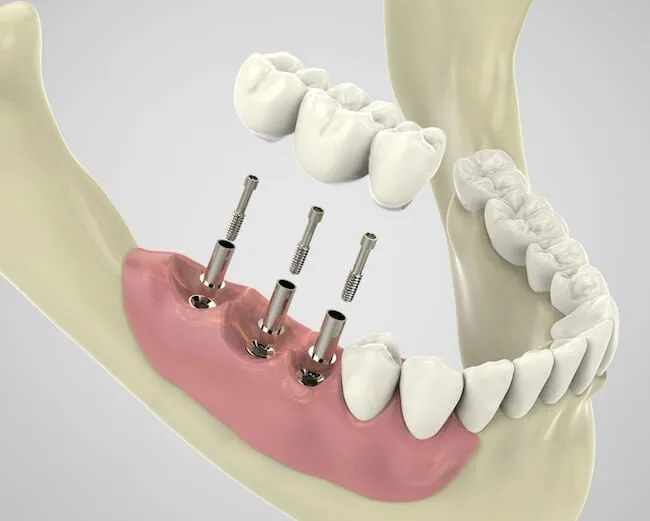
In addition to digital planning, the materials used in modern implants have significantly enhanced performance. Titanium remains the gold standard for implant posts due to its exceptional biocompatibility and ability to fuse securely with the jawbone—a process known as osseointegration. However, the rise of zirconia implants offers an alternative for patients seeking metal-free options without compromising strength. Highly aesthetic and naturally tooth-coloured, zirconia provides excellent tissue compatibility and an appealing appearance for visible areas of the mouth.
Implant crowns have also benefited from the evolution of dental ceramics. Materials such as zirconia and lithium disilicate allow for customized translucency and shading that mimic the depth and light-reflective qualities of natural enamel. When shaped and glazed by skilled dental technicians, these restorations become almost indistinguishable from real teeth. Their durability ensures that everyday functions—chewing, speaking, and smiling—are performed with confidence.
Precision in implant placement is another critical component of achieving a seamless, natural look. Computer-guided surgery uses digital scans and 3D imaging to create a surgical map that guides the dentist during the procedure. This approach improves accuracy in angulation and depth, ensuring the implant integrates correctly and supports an ideally shaped crown. Fewer complications, enhanced comfort, and quicker recovery are common benefits of this technology-driven process.
For individuals missing a single tooth, choosing reliable dental restorations like single implants offers a permanent and aesthetically superior solution. These implants preserve adjacent teeth, prevent bone loss, and maintain the natural alignment of the bite. Because they stand independently without relying on neighbouring teeth for support, they provide a stable foundation that looks and feels authentic. Patients often describe the outcome as so natural that they forget they ever lost a tooth in the first place.
Beyond individual materials and tools, what truly guarantees natural-looking outcomes is a comprehensive approach that unites digital planning, skilled craftsmanship, and an understanding of facial aesthetics. Dentists today take into account lip movement, gum contours, facial symmetry, and even personality traits when designing implant restorations. This holistic perspective ensures that the implanted tooth not only functions well but also suits the patient’s unique appearance.
Soft-tissue design is another subtle yet essential factor. Shaping the gum around an implant can dramatically affect how natural it appears. Techniques such as customized healing abutments and soft-tissue grafting help dentists create a natural gumline that supports the crown beautifully and prevents the “artificial” look once common in earlier implant designs. When gums contour naturally around the prosthetic tooth, the entire restoration becomes far more seamless.
Longevity is also central to the promise of permanent function. High-quality implants, when placed and maintained properly, can last decades—often a lifetime. This long-term success is supported by the improved precision of implant placement and the durability of modern materials. With routine dental care and good oral hygiene, implants remain stable and functional even under constant chewing forces.
As technology continues to evolve, the future of implant dentistry promises even more natural results. Researchers are exploring bioengineered materials, enhanced surface treatments that accelerate healing, and AI-driven design systems that further refine implant aesthetics. The goal remains the same: to deliver restorations that restore not only dental function but also the patient’s confidence and self-expression. For readers interested in exploring how aesthetics influence the latest implant trends, the world of dental aesthetics offers additional insights into emerging technologies shaping future smiles.