


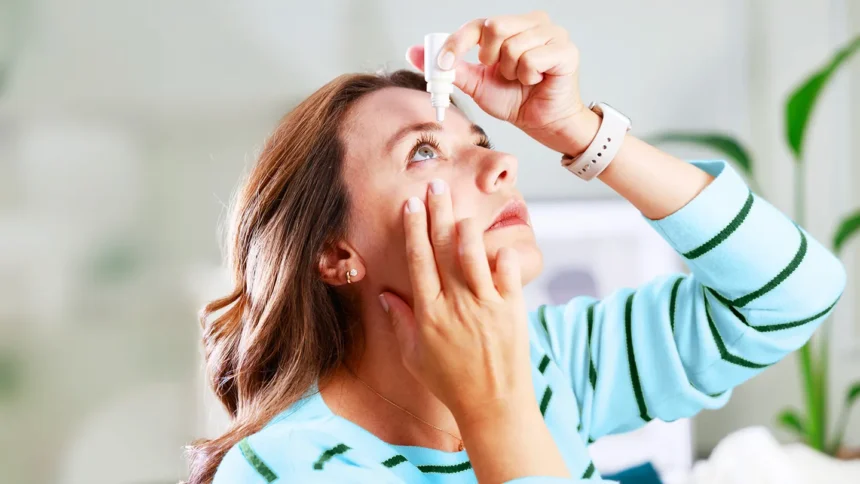
Persistent dry eye symptoms can disrupt daily comfort and make routine activities, such as reading or using digital devices, more difficult. Dry eye often results from a combination of environmental, medical, and lifestyle factors; effective management requires a well-rounded approach. Here is a closer look at key strategies for managing dry eye symptoms:
What Causes Dry Eye?
Tears are a complex mixture of water, fatty oils, and mucus that work together to keep the surface of the eye smooth, clear, and protected from infection. When any component of this mixture is compromised, dry eye can occur. Aging is a primary factor, as tear production naturally diminishes over time. Certain medical conditions, like Sjogren’s syndrome, allergic eye disease, lupus, scleroderma, sarcoidosis, thyroid disorders, or vitamin A deficiency, contribute to ocular dryness. Medications are another frequent cause, including antihistamines, decongestants, and drugs for high blood pressure, acne, and Parkinson’s disease. Environmental factors also play a role; wind, smoke, or dry air can increase tear evaporation.
How Can You Find Relief?
While chronic dry eye often requires professional intervention, several remedies may provide temporary comfort. Contemplate incorporating these strategies into a daily routine to soothe eye irritation:
- Warm Compresses: Applying a warm, damp cloth to the eyes for five to ten minutes can unclog oil glands in the eyelids, improving tear quality.
- Artificial Tears: Over-the-counter lubricating eye drops add moisture to the eyes, but choose preservative-free options if you plan to use them more than four times a day.
- Eyelid Hygiene: Gently cleaning the eyelids with a mild soap or a specialized eyelid cleanser helps remove debris and bacteria that can clog the oil glands.
- Blinking Exercises: Making a conscious effort to blink frequently, especially during tasks that require intense focus, helps keep the eyes lubricated.
- Humidifiers: Adding moisture to the air in the home or office helps prevent tears from drying too quickly in dry environments.
Implementing these measures consistently often reduces the severity of symptoms.
Which Habits Improve Comfort?
Beyond immediate relief methods, long-term lifestyle adjustments can significantly impact ocular health. Making specific changes to daily habits and environments can reduce the frequency of dry eye episodes. Here are some lifestyle adjustments to incorporate:
- Hydration: Drinking adequate water throughout the day supports the body’s ability to produce tears and maintain overall hydration.
- Nutritional Support: Consuming a diet rich in omega-3 fatty acids, found in fish such as salmon and flaxseed, may improve the oil content of tears.
- Screen Time Management: Taking regular breaks from digital screens reduces eye strain and dryness.
- Protective Eyewear: Wearing wraparound sunglasses outdoors shields the eyes from wind and dry air, minimizing tear evaporation.
- Avoidance of Irritants: Steering clear of smoke and positioning fans or air vents away from the face helps maintain moisture on the eye surface.
These fundamental changes can create an environment that supports better eye health and reduces irritation.
When Should You See a Doctor?
While home remedies and lifestyle changes are beneficial, professional medical advice is fundamental for persistent or severe cases. If symptoms include prolonged redness, irritation, pain, or vision changes, consult an ophthalmologist. An eye care provider performs comprehensive exams to determine the quality and quantity of tears produced. Medical treatments may be necessary if over-the-counter solutions are ineffective. These may include prescription eye drops to reduce inflammation or increase tear production.
Schedule Your Dry Eye Evaluation
Managing dry eye requires understanding the causes, using at-home remedies, and making necessary lifestyle adjustments. Although self-care strategies can alleviate mild symptoms, persistent ocular dryness requires professional evaluation to prevent potential corneal damage. Make sure to seek expert care if symptoms persist or worsen despite home treatment. Contact a qualified ophthalmologist near you today to schedule your comprehensive evaluation and discuss a tailored treatment plan for optimal eye health.