


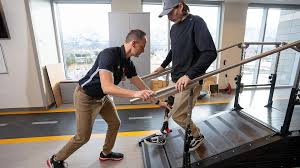
An active lifestyle is a hallmark of living in Utah, with its stunning national parks, ski slopes, and endless hiking trails. But when an injury, surgery, or chronic condition limits your ability to move, it can feel like you’re missing out on everything the state has to offer. Restoring movement and function is not just about getting back to your daily routine; it’s about reclaiming your quality of life.
Physical therapy offers a structured, evidence-based path to recovery. It helps you rebuild strength, improve flexibility, and manage pain so you can return to the activities you love, whether that’s skiing down the slopes of Park City or simply playing with your grandchildren without discomfort. This guide will explore how a personalized therapy plan can help you regain function and get back to enjoying your life to the fullest.
What is the Goal of Physical Therapy?
The primary goal of physical therapy is to restore and improve movement, function, and overall well-being. It’s a conservative treatment approach that helps people of all ages who have medical conditions, illnesses, or injuries that limit their regular abilities to move and function. A physical therapist will work with you to create a personalized treatment plan that addresses your specific needs and goals.
This isn’t a one-size-fits-all solution. Your journey will be unique, focusing on what matters most to you. For some, the goal might be to run a marathon. For others, it could be to walk to the mailbox without pain or to regain the strength to lift a child. Whatever your objective, a therapist acts as your partner in recovery, guiding you through exercises and treatments designed to get you there safely and effectively.
Who Can Benefit from Physical Therapy?
Many people think of physical therapy only after a major injury or surgery, but its benefits are far more extensive. It can be a crucial part of recovery and management for a wide range of conditions.
Post-Surgical Rehabilitation
After surgery, your body needs time and targeted exercises to heal correctly. Whether you’ve had a joint replacement, ACL repair, or back surgery, a physical therapist guides you through a phased recovery process. This includes managing pain and swelling, restoring your range of motion, and gradually rebuilding strength. A structured rehabilitation plan helps prevent complications like muscle atrophy or joint stiffness, ensuring a smoother and more complete recovery.
Sports Injuries
Athletes, from weekend warriors to professionals, often turn to physical therapy to recover from sports-related injuries. Common issues like sprains, strains, tendonitis, and fractures require a careful approach to ensure a safe return to activity. Therapists not only treat the immediate injury but also identify underlying biomechanical issues that may have contributed to it. By addressing these root causes, they help prevent future injuries and enhance athletic performance.
Chronic Pain Management
Living with chronic pain can be debilitating. Conditions like arthritis, fibromyalgia, and persistent back or neck pain can make everyday tasks feel monumental. Physical therapy offers non-pharmacological strategies to manage pain. Techniques like manual therapy, therapeutic exercise, and education on pain science can help reduce your reliance on medication. A therapist can teach you how to move in ways that don’t aggravate your condition, empowering you to take control of your pain.
Neurological Conditions
For individuals with neurological disorders such as stroke, Parkinson’s disease, or multiple sclerosis, physical therapy is essential for maintaining independence. Therapists focus on improving balance, coordination, strength, and gait. The goal is to maximize function and safety, allowing individuals to navigate their daily lives more easily and confidently. This specialized area of Utah physical therapy helps patients adapt to their condition and maintain the highest possible quality of life.
Balance and Fall Prevention
As we age, our risk of falling increases, which can lead to serious injuries. Physical therapists are experts in identifying balance deficits and creating programs to address them. Through specific exercises that challenge balance and strengthen key muscle groups, they can significantly reduce your fall risk. This is particularly important for older adults who want to maintain their independence and stay active safely.
Your Path Back to an Active Life
Your recovery journey begins with a comprehensive evaluation. A physical therapist will assess your strength, range of motion, balance, and movement patterns. They will also take the time to understand your personal goals and how your condition is impacting your life. Based on this assessment, they will develop a customized treatment plan that may include:
- Therapeutic Exercises: Specific exercises designed to improve strength, flexibility, and endurance.
- Manual Therapy: Hands-on techniques like massage and joint mobilization to reduce pain and improve mobility.
- Patient Education: Learning about your condition and how to manage it empowers you to take an active role in your recovery.
- Functional Training: Practicing movements and tasks that are specific to your daily activities or sport.
Consistency and active participation are key to a successful outcome. Your therapist will guide and support you, but your commitment to the program will ultimately determine your progress.
Find Your Freedom of Movement
Regaining movement and function after an injury or illness is a journey, not a race. With the right guidance and a personalized plan, you can rebuild your strength, manage your pain, and get back to living the active life you enjoy. Don’t let physical limitations hold you back from exploring the beautiful landscapes and opportunities Utah has to offer.
If you’re ready to take the first step toward recovery, consider consulting with a physical therapist to see how they can help you achieve your goals.