


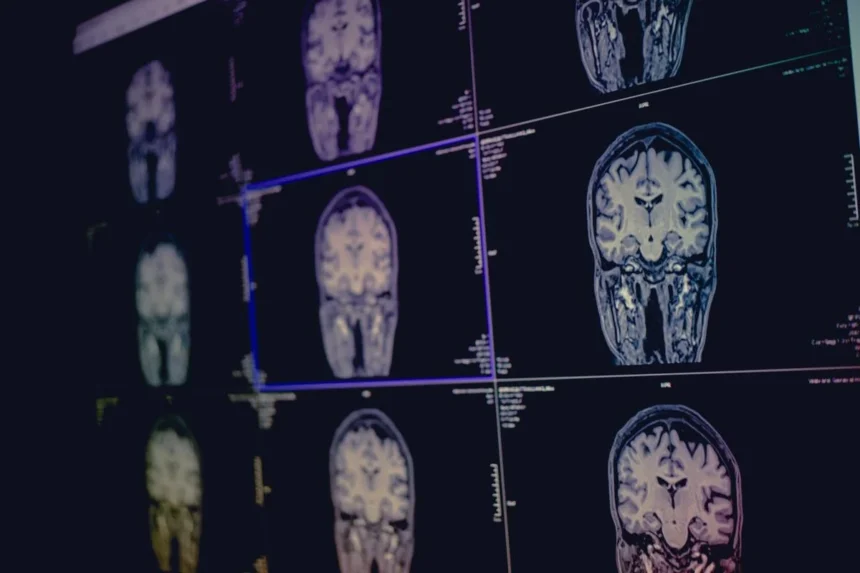
Neuroradiology plays a role in identifying and understanding the complexities of cognitive disorders. By employing advanced imaging technologies, clinicians can identify and detect structural and functional abnormalities within the brain. This detailed insight supports early detection, facilitates treatment planning, and provides a clearer picture of diseases affecting cognition.
Identifying Brain Structure Changes
Cognitive disorders, such as Alzheimer’s, are often associated with structural changes in the brain. Neuroradiology relies on imaging techniques, such as magnetic resonance imaging (MRI) and computed tomography (CT), to identify these alterations. These tools can reveal reduced brain volume, cortical atrophy, or ventricular enlargement in individuals experiencing cognitive decline. Hippocampal atrophy is a common structural hallmark of Alzheimer’s disease, detectable and trackable over time.
Neuroradiology goes beyond identifying existing damage, as it can detect subtle changes in brain structures. These changes may increase the risk of future cognitive challenges. This information helps healthcare providers better understand the condition’s progression and tailor ongoing care.
Detecting Early Disease Markers
Neuroradiology is beneficial in identifying early indicators of neurodegenerative diseases, which often manifest before significant symptoms arise. Imaging technology aids in the detection of disease-specific markers such as:
- Amyloid Plaques and Tau Tangles: Tools such as positron emission tomography (PET) scans help highlight the presence of abnormal protein deposits in Alzheimer’s disease, aiding in early diagnosis.
- White Matter Damage: Advanced diffusion imaging techniques can reveal disruptions in white matter integrity, often associated with early cognitive decline.
- Vascular Lesions: MRIs help detect small ischemic lesions or microbleeds that may signal vascular contributions to cognitive impairments.
- Glucose Metabolism: PET imaging can monitor reduced glucose uptake in brain regions that typically support memory and cognition.
These findings allow clinicians to intervene sooner, ideally slowing progression or managing symptoms more effectively.
Mapping Functional Brain Activity
Structural imaging shows the brain’s anatomy, while functional imaging reveals its activity. Techniques like fMRI, PET scans, and EEG help specialists study how brain regions communicate during tasks, aiding in the evaluation of conditions such as mild cognitive impairment or frontal lobe syndromes. fMRI can detect decreased activity in networks linked to Alzheimer’s, while connectivity disruptions between neural pathways highlight issues with memory, attention, or decision-making. This real-time visualization enhances diagnostic precision, revealing impairments that are not visible on structural examination.
Guiding Targeted Treatment Plans
Once a diagnosis is confirmed, neuroradiology supports the development of tailored treatment strategies through:
- Surgical Planning: Imaging maps areas to avoid during surgery, such as regions responsible for speech or motor function.
- Therapy Response Evaluation: Scans track the brain’s reaction to treatments, allowing for adjustments to improve results.
- Selecting Candidates for Experimental Therapies: Imaging helps identify patients who may benefit from clinical trials targeting molecular or physiological abnormalities.
- Neurostimulation Guidance: Functional imaging enables precise targeting of areas for deep brain stimulation or transcranial magnetic stimulation.
These applications help create more customized treatment approaches, improving care for individuals with cognitive disorders.
Get an Advanced Diagnosis with Neuroradiology
Neuroradiology’s ability to visualize detailed structural and functional brain changes makes it an indispensable tool in diagnosing cognitive disorders. From detecting early disease markers to guiding precise treatment plans, its applications enhance every stage of care. By improving diagnostic accuracy and enabling more informed clinical decisions, neuroradiology continues to advance the understanding and management of diseases that impact cognition.