

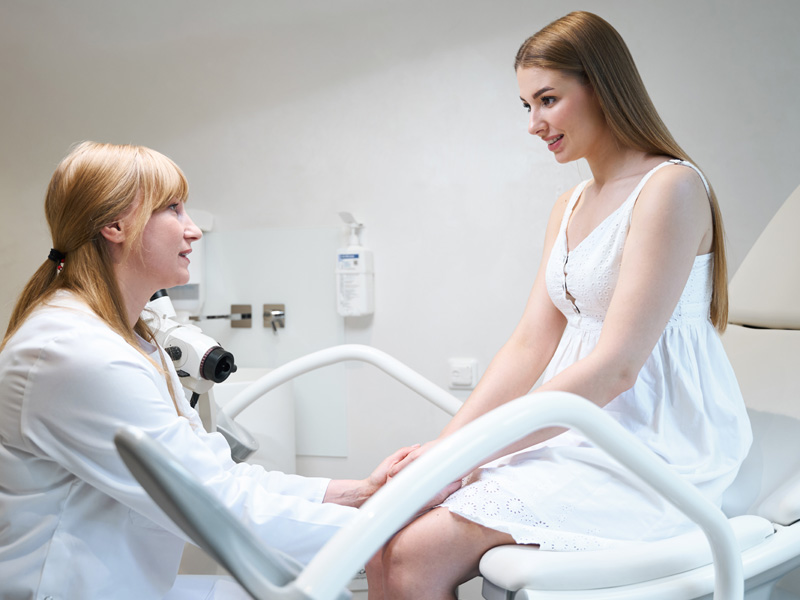
Introduction
Your first gynecology appointment can feel intimidating, especially if you don’t know what to expect. However, this visit is an essential step in taking charge of your reproductive and overall health. Whether you’re going for a general check-up, period-related concerns, birth control, or sexual health questions, a gynecologist is there to help—without judgment.
Let’s break down what actually happens during your first appointment to help you feel informed and confident.
When Should You Visit a Gynecologist for the First Time?
Recommended Age
Most health professionals suggest that girls schedule their first visit between the ages of 13 and 15, or once they start menstruating.
However, you may need to go earlier or later depending on symptoms or concerns like:
- Severe period pain
- Irregular cycles
- Vaginal itching or discharge
- Contraception or sexual activity questions
Preparing for the Appointment
1. Schedule Wisely
Try not to schedule your appointment during your period (unless it’s for period-related issues), as it may affect test accuracy.
2. Make a List of Questions
You might want to ask about:
- Birth control
- Menstrual cycle issues
- Pain or discomfort
- Vaginal discharge
- Sexual health
3. Know Your Medical History
Be prepared to talk about:
- Your periods (when they started, how long they last, any irregularities)
- Vaccinations
- Past medical or surgical history
- Family history (like breast or ovarian cancer)
What Happens During the Visit?
1. Private Discussion
The doctor will first talk to you in a safe, private space and ask questions about:
- Menstrual cycle
- Sexual activity
- Contraception
- General health and lifestyle
2. Physical Examination
Depending on your age and concerns, this may include:
- General check-up: Blood pressure, weight, height
- Breast exam: Checking for lumps or abnormalities
- External genital exam: A simple visual exam of the vulva
Note: If you’re under 21 and not sexually active, a pelvic exam or Pap smear may not be necessary.
3. Pelvic Exam (If Needed)
If you’re 21+ or have symptoms, the doctor may do a pelvic exam:
- Speculum exam: A tool is inserted to see the vaginal walls and cervix
- Pap smear: Collects cells from the cervix to screen for cervical cancer
4. STI Screening (Optional or If Indicated)
If you’re sexually active, the doctor might recommend:
- Blood or urine tests for STIs
- Swabs from the vagina or cervix
After the Examination
1. Discussion and Advice
The doctor will share findings and offer guidance on:
- Contraceptive options
- Period pain management
- Sexual health
- HPV vaccination
2. Follow-Up Recommendations
Depending on your health, they may suggest:
- Annual check-ups
- Pap smears every 3 years after age 21
- Further testing if needed
Common Myths About First Gynecology Visits
| Myth | Truth |
|---|---|
| It’s painful | Most exams are quick and only mildly uncomfortable |
| You must be sexually active | No, the visit is for all women, regardless of sexual activity |
| All women get a Pap smear | Only if you’re 21 or older, or if symptoms indicate it |
| The doctor will judge me | Gynecologists are trained to provide care without judgment |
Tips to Stay Comfortable
1. Bring a Friend or Family Member
It’s okay to bring someone for emotional support, especially if you’re nervous.
2. Be Honest
Doctors need accurate information to provide the best care—don’t be shy.
3. Ask Questions Freely
No question is silly when it comes to your health.
Conclusion
Your first gynecology appointment is an important milestone in taking care of your body. It’s a safe space where you can talk about periods, contraception, infections, and more. Being prepared and knowing what to expect can ease your nerves and help build a foundation of trust with your healthcare provider. Remember, this visit is all about you and your well-being.
FAQs
1. Is the first gynecology visit painful?
Not usually. Some parts may be a little uncomfortable, but the doctor will be gentle and explain everything beforehand.
2. What should I wear to the appointment?
Wear comfortable clothing that’s easy to remove for an exam. A gown will be provided if needed.
3. Can I go alone, or should someone come with me?
You can go alone, but it’s totally fine to bring someone for support.
4. Will the doctor keep everything private?
Yes. All conversations and medical information are confidential unless there’s a risk of harm to yourself or others.
5. Do I have to get a Pap smear during the first visit?
Only if you’re 21 or older or if the doctor suspects something that requires testing.
6. What questions should I ask during my first visit?
Ask about birth control, period pain, irregular cycles, STI prevention, and anything you’re unsure about.
7. What if I feel embarrassed?
It’s natural to feel that way, but remember that gynecologists are professionals who care for women’s health every day.
8. How often should I visit a gynecologist?
Once a year is standard, or more frequently if you have symptoms or are on specific treatments.