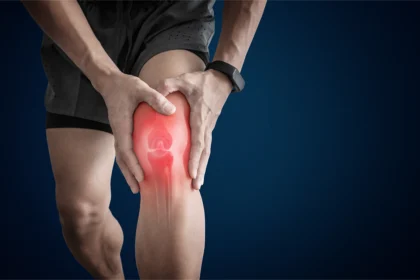


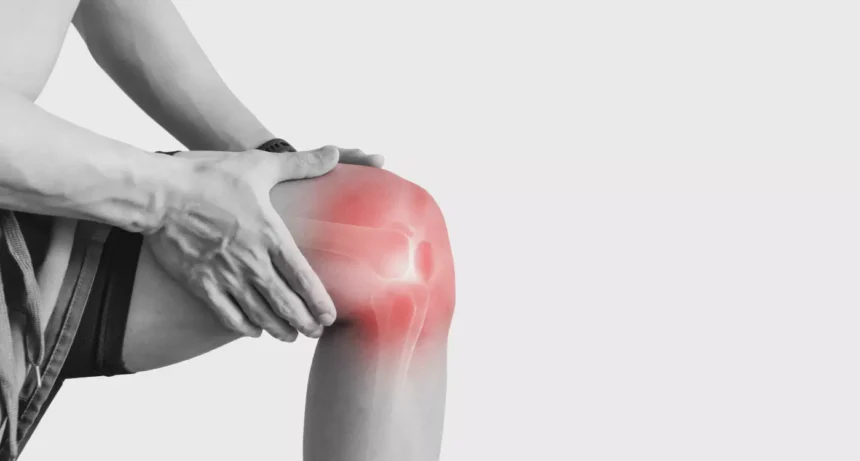
The knee functions as a complex hinge joint that bears significant weight during daily activities. It consists of bones, cartilage, ligaments, and tendons that work together, so the joint remains stable during movement. Injuries or underlying medical conditions can disrupt this function, and patients experience discomfort ranging from mild aches to severe immobility. Understanding the nature of knee pain helps individuals make informed decisions regarding their health and recovery.
What Is Knee Pain?
Knee pain refers to any discomfort experienced in or around the knee joint structure. It acts as a signal that something is wrong within the leg, or it may indicate referred pain originating from the hip. This condition affects people of various ages and activity levels, but the specific location varies depending on the underlying cause.
The pain may manifest as a sharp, stabbing sensation or a dull, constant ache. Acute pain typically follows a specific injury or trauma, while chronic pain develops gradually over time. Identifying the type of pain is necessary in the diagnostic process, helping the physician determine the correct course of action.
What Causes It?
Several mechanical issues and medical conditions contribute to knee discomfort. Acute injuries are common causes, and these often involve torn ligaments or fractured bones following an impact. An ACL injury occurs when the anterior cruciate ligament tears, a common injury during sudden stops.
Chronic conditions also play a role in long-term joint issues. Osteoarthritis breaks down the protective cartilage, so the bones rub together and cause friction during movement. Tendinitis is another culprit, involving inflammation of the tendons surrounding the knee due to repetitive overuse.
What Are the Symptoms?
The location and severity of symptoms vary depending on the cause of the problem. Patients may report morning swelling and stiffness, while others notice redness and warmth to the touch after activity. These physical signs may accompany internal sensations, such as popping or crunching noises when the leg is extended. Mobility issues are another symptom among those with joint conditions.
When Should You Get Help?
Minor aches often resolve with rest and home care, but specific signs necessitate professional evaluation. You should consult a doctor if you cannot bear weight on your leg or if you notice marked swelling that does not subside. If the leg or knee appears misshapen or oddly aligned, professional intervention is necessary to correct the structure. Fever accompanied by pain, redness, and swelling suggests an infection, so medical care is required in these instances to prevent systemic issues.
How Is Professional Guidance Beneficial?
A healthcare provider determines the precise diagnosis and formulates an appropriate treatment plan. Non-surgical options include physical therapy to strengthen the muscles surrounding the knee, or the doctor may suggest knee injections to reduce inflammation. Cold laser therapy is another non-invasive method that uses light to stimulate healing in the affected tissues without incisions.
Surgical interventions may be necessary for severe structural damage or tears. Procedures such as meniscus repair and ACL reconstruction repair torn tissues, while cartilage restoration replaces damaged cartilage to improve function. An osteotomy realigns the bone to shift weight away from the damaged part of the knee, thereby relieving pressure on the joint.
Seek Professional Intervention Today
Knee pain impacts daily function and overall quality of life. Early diagnosis enables a broader range of effective treatments, allowing patients to regain mobility and comfort more quickly. Contact a medical professional to discuss your symptoms and explore the options available for your recovery.