


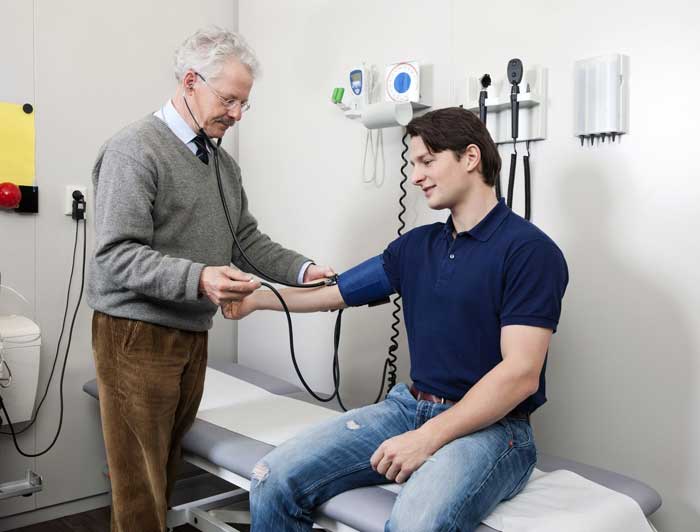
A comprehensive physical exam provides a structured opportunity for you to connect with your provider and review your overall health status. This visit is a dedicated opportunity to discuss your health history, ask questions, and undergo specific evaluations tailored to your age, sex, and personal risk factors. Understanding the components of this exam helps you prepare for your appointment and actively participate in managing your well-being. Here is more information about what to expect:
Diagnostic Tests
Depending on your health profile, your provider may order various diagnostic tests. These tests provide more in-depth insights into your body’s functions. Blood tests are used to check multiple aspects, including cholesterol levels, blood sugar, and complete blood counts, which measure different types of blood cells.
A complete blood count helps evaluate your general health and detect a wide range of disorders, from anemia to infection. Another type of test you might encounter is a urinalysis. This test examines the visual, chemical, and microscopic aspects of your urine.
These are used to detect and manage a wide range of conditions, such as urinary tract infections, kidney disease, and diabetes. The specific tests ordered may be tailored to your individual health needs and medical history. Your provider will discuss which tests are appropriate for you during your visit.
Physical Examination
The hands-on physical examination is a central part of your appointment. During this portion, your provider will assess various systems of your body through observation, palpation, and manual examination. This process begins with checking your vital signs, which include your blood pressure, heart rate, respiration rate, and temperature. The examination will likely include:
- Head and neck exam: Your provider may look at your eyes, ears, nose, and throat. They will also feel the lymph nodes in your neck.
- Heart and lung exam: Using a stethoscope, your provider can listen to your heart for murmurs or irregular rhythms and to your lungs for any abnormal sounds.
- Abdominal exam: Your provider may gently press on your abdomen to assess the size of your organs and detect any tenderness or masses.
Your provider will also check your reflexes and skin, looking for any unusual marks or changes. This part of the exam gives a direct assessment of your current physical condition.
Adjusted Medications
Your physical exam is an excellent time to review your current medications with your provider. This includes all prescription drugs, over-the-counter medicines, and any supplements or vitamins you take. Bring a list of these items, including the dosage and how often you take them, to your appointment. Your provider may review this list to identify any potential interactions or side effects that may occur. They may also determine if any adjustments to your prescriptions are needed.
Current Vaccines
Staying current on your immunizations is another key component of preventive health that is discussed during a physical exam. Your provider will review your vaccination history and recommend any updates based on your age and risk factors. Adult vaccines include the annual flu shot, tetanus boosters, and vaccines for shingles and pneumonia.
Schedule a Physical Exam
A physical exam provides a baseline understanding of your health and an opportunity to address any concerns with your provider. It combines your health history, a physical assessment, and a review of your lifestyle to create a personalized picture of your overall well-being. If it has been some time since your last check-up, you can take the next step for your health. Contact a family medicine clinic today to schedule your comprehensive physical exam.