


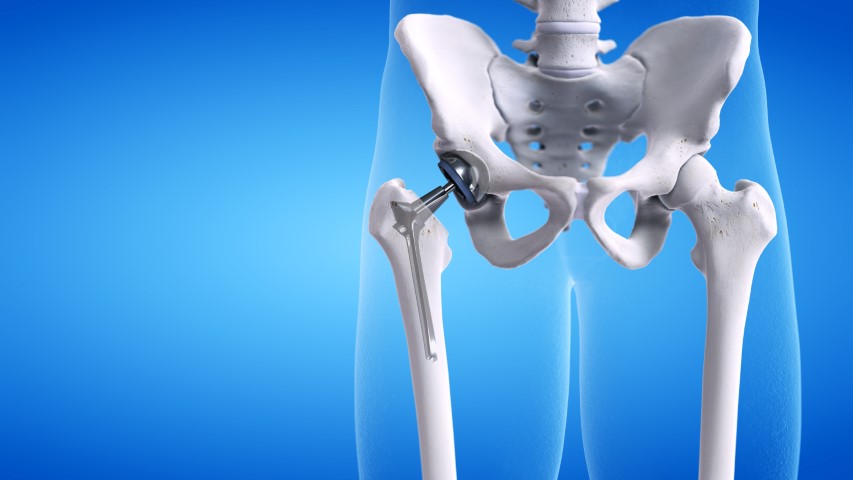
Hip replacement surgery is a medical procedure where a surgeon removes damaged portions of the hip joint and replaces them with artificial components. This operation is often performed to address joint issues related to conditions such as severe arthritis, injury, or degeneration. Knowing the signs and circumstances that may lead to hip replacement will help you make informed care decisions. Here are some reasons you may need hip replacement surgery:
Persistent, Intense Pain
Ongoing, severe pain is a common reason people seek hip replacement surgery. This pain often feels like a deep ache in the hip, groin, thigh, or it radiates down to the knee. Initially, discomfort may appear only after activity, but it typically progresses to constant pain, even at rest. Your sleep could be interrupted by aches, leaving you tired during the day. This pain can interfere with daily tasks, such as climbing stairs, getting out of bed, tying shoelaces, or sitting comfortably for prolonged periods. Over-the-counter pain medications may offer only temporary relief, and discomfort returns after their effects wear off.
Reduced Mobility
Loss of mobility can appear in different ways, and it’s not always noticeable at first. You may feel stiffness first thing in the morning or after sitting for a while, making it harder to get moving. Everyday actions like dressing, driving, or picking up objects from the floor could require extra effort or cause discomfort. As the joint becomes less flexible, you may notice a gradual but consistent decrease in the range of motion. Limping or shifting your weight away from the affected side is a common reaction to pain.
Over months or years, reduced mobility might keep you from participating in daily routines or hobbies. For those who enjoy dancing, hiking, or walking, having to opt out of these activities can be discouraging. When movement is limited in this way, the hip joint may be experiencing structural problems that need medical attention.
Inadequate Conservative Treatment
Conservative treatments are often the first step in managing hip pain. These typically include:
- Physical therapy: This focuses on stretching and strengthening the muscles around the hip to provide better support.
- Heat and cold therapy: These are sometimes used to relieve pain or swelling after activity.
- Lifestyle adjustments: Weight management can help reduce stress on the hip joint.
- Medications: Nonsteroidal anti-inflammatory drugs (NSAIDs) are commonly used to reduce discomfort, as are corticosteroid injections.
- Assistive devices: Canes, walkers, or raised toilet seats can help decrease discomfort during daily routines.
Some people benefit from these interventions for years, and they experience noticeable improvement in comfort and mobility. But if these strategies stop making a difference, and pain or functional limitations persist, it points to a hip problem that may not improve with non-surgical options. Discussing the ongoing impact of these treatments on your daily life is a beneficial part of the decision-making process.
Imaging Results
Diagnostic imaging provides a factual look at what’s happening inside the hip joint. X-rays can show reduced joint space, worn cartilage, bone spurs, or deformity in the joint’s shape. These visible changes often align with symptoms, and they support the diagnosis of advanced joint deterioration. MRI scans are sometimes used to assess the condition of soft tissues like tendons or muscles when clarity is needed, or damage is not visible on an X-ray. The results from these tests help healthcare teams assess the extent of joint damage and inform recommendations for next steps.
Learn More About Hip Replacement Surgery
Evaluating hip pain with your healthcare team is part of making informed treatment decisions. A specialist will discuss symptoms, treatments, and imaging findings with you to help you understand what options align with your needs. Ask about both surgical and non-surgical options, and clarify any questions about recovery and rehabilitation. Contact an orthopaedic clinic today to schedule a consultation for hip pain.