

Acne is one of the most common skin conditions, affecting millions of people of all ages. While often associated with teenage years, it can persist well into adulthood. There is a wide array of effective treatments available. Understanding the options is the first step toward clearer skin and finding a management plan that works for you.
What Causes Acne?
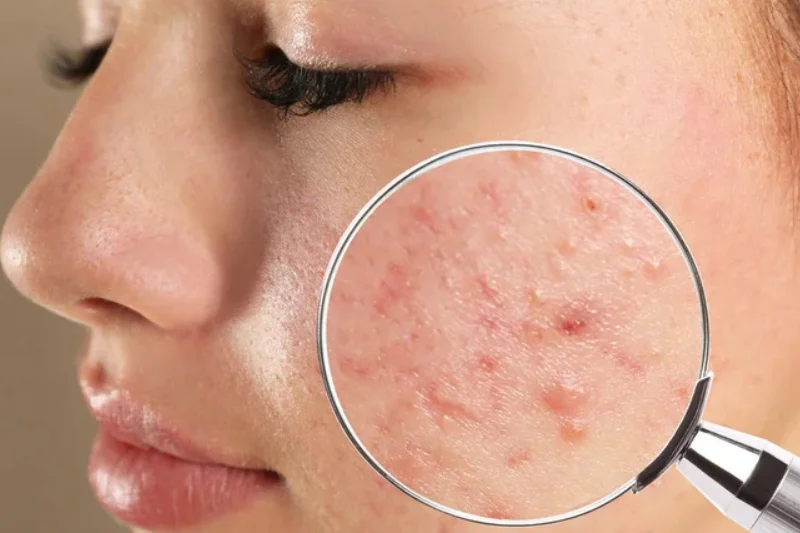
Acne develops when hair follicles, the small openings in your skin, become clogged. While dirt can be a factor, it’s usually dead skin cells and excess oil. Each follicle secretes an oil called sebum, which is meant to keep your skin soft and protected. When a follicle gets plugged, this oil becomes trapped inside, creating the perfect environment for bacteria to thrive. Your body’s immune system responds by sending cells to fight the bacteria, leading to the inflammation, redness, and discomfort we recognize as a pimple.
The severity of acne can differ greatly from person to person. Some may only experience occasional mild breakouts, while others face more persistent and severe forms. Flare-ups can be triggered by various factors, including hormonal shifts, stress, and certain medications. Because each type of acne has a different underlying cause, each requires a unique approach to treatment for the best results. It can appear in several forms, such as whiteheads, blackheads, papules, and cysts. Because each type of acne has a different underlying cause, each requires a unique approach to treatment for the best results.
What Medications Work?
Many individuals use topical ointments. These treatments come in various forms, including creams, gels, and lotions. They target different aspects of acne formation. Retinoids and retinoid-like drugs are a popular choice for moderate acne because they prevent the plugging of hair follicles. It’s important to introduce them gradually and use sun protection, as they can increase sun sensitivity and cause initial dryness or redness. Other common topical treatments include antibiotics, which work by killing excess skin bacteria and reducing inflammation. They are often combined with benzoyl peroxide to minimize the risk of antibiotic resistance. Azelaic acid and salicylic acid are also effective options. Azelaic acid, a naturally occurring substance, has antibacterial properties and can help manage discoloration. While salicylic acid helps prevent clogged follicles. For inflammatory acne, especially in adult women, dapsone gel can be a recommended treatment to reduce redness and dryness.
What Are Other Options?
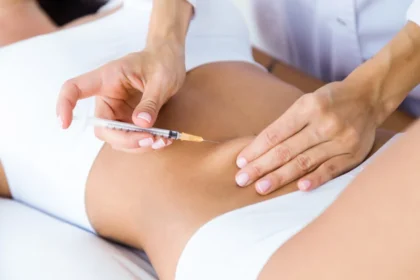
Beyond topical and oral medications, several in-office therapies can be effective for managing acne. Light therapy has shown some success, but it typically requires multiple visits to a doctor’s office, and more research is needed to determine the most effective methods and dosages. For mild acne, chemical peels involve repeated applications of a solution (like salicylic, glycolic, or retinoic acid) to improve the skin’s appearance, although results require ongoing treatments. Another option is drainage and extraction, where a dermatologist uses special tools to remove stubborn whiteheads, blackheads, or cysts. For painful nodular and cystic lesions, steroid injections directly into the blemish can offer rapid improvement and pain relief. Many options exist for acne treatment.
Make An Appointment
Managing acne effectively often requires a customized approach. What works for one person may not work for another, and many people find success with a combination of treatments. Consulting with a dermatologist is helpful to diagnose the specific type of acne you have and develop a personalized treatment plan. With professional guidance and consistent care, you can find a solution that helps you achieve clearer, healthier skin. By working closely with a dermatologist, you can develop a tailored strategy that addresses your specific concerns and supports your skin’s overall health. With knowledge, persistence, and professional care, managing acne is not only possible but entirely achievable.