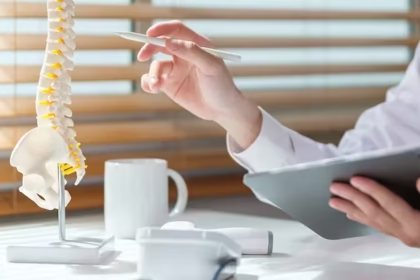


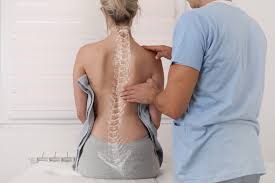
A spine specialist diagnoses and treats complex conditions that affect the structural integrity of the spinal column, including spinal stenosis. This condition involves the progressive narrowing of spaces within your spine, which exerts pressure on nerves traveling through the canal. Specialists evaluate your symptoms and complete imaging studies to determine an appropriate course of action for pain relief. Here are some ways a spine specialist addresses spinal stenosis:
Epidural Steroid Injections
Steroid injections deliver anti-inflammatory medication directly into the epidural space surrounding the irritated spinal nerves. Physicians utilize fluoroscopy, a form of real-time X-ray imaging, to guide the needle to the location of compression with high precision. The medication helps reduce inflammation and swelling of the nerve roots caused by the narrowed canal. Reducing swelling creates additional room for the nerves within the spinal structure, often alleviating radiating pain.
Patients typically receive these injections in an outpatient setting, allowing for a return to daily activities shortly after the appointment. Relief duration varies among individuals, and it can last from several weeks to many months, depending on the condition’s severity. A series of injections may provide cumulative benefit, facilitating participation in rehabilitative physical therapy.
Spinal Cord Stimulation
Spinal cord stimulation (SCS) is an option for chronic pain that persists despite other conservative interventions. A small pulse generator, similar in function to a cardiac pacemaker, is implanted beneath the skin. Thin wires connect this generator to the epidural space located along the spinal cord, and the device delivers mild electrical pulses that interfere with the transmission of pain signals traveling to the brain. Before permanent implantation, patients undergo a trial phase to verify that the system effectively reduces their pain. It also offers a reversible treatment avenue for managing complex pain associated with nerve compression.
Radiofrequency Ablation
Radiofrequency ablation targets the medial branch nerves that transmit pain signals from the facet joints. Before performing this procedure, a spine specialist performs a diagnostic nerve block to confirm the source of pain. They then insert a needle near the affected nerve using fluoroscopic guidance to verify placement. An electrical current produced by a radio wave passes through the needle to heat a small area of nerve tissue; this thermal lesion deactivates that portion of the nerve, preventing the transmission of pain signals to the brain. The procedure aims to provide longer-lasting relief than injections, often persisting for six to twelve months or longer. Nerves eventually regenerate, at which point the procedure can be repeated if symptoms return.
Decompression Procedures
Physical narrowing of the spinal canal sometimes necessitates mechanical solutions to alleviate pressure on neural elements when other methods fail. Several procedures exist to achieve this goal, ranging from minimally invasive techniques to traditional open surgery, depending on severity. Minimally Invasive Lumbar Decompression removes small portions of hypertrophied ligament through a tiny incision, leaving bone and muscle intact to preserve stability.
Interspinous spacers can be implanted between the spinous processes to hold the vertebrae apart and maintain open nerve pathways. Your doctor inserts the device between the spinous processes of the lumbar spine through a small tube the size of a dime. The implant works by limiting extension at the affected segment, keeping the spinal canal and neural foramina open, and giving your nerves more room. This procedure is an option for those who have not found relief from conservative treatments and want to avoid more invasive surgery.
Work With a Spine Specialist
Navigating spinal stenosis requires professional evaluation to identify the location and cause of nerve compression. A spine specialist reviews your medical history and uses imaging to guide treatment decisions tailored to your needs. They help you understand which procedural options align with your anatomical changes and lifestyle goals. Contact a pain specialist today to schedule a consultation.