

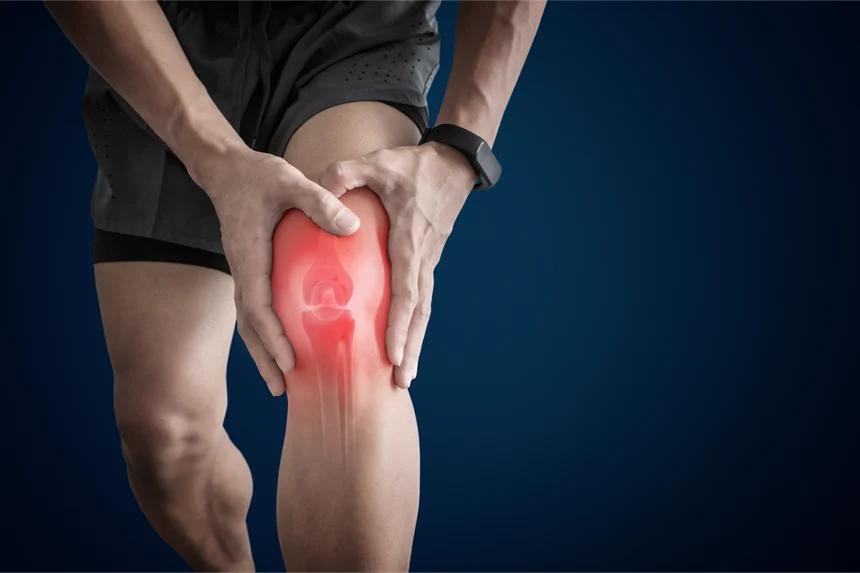
Knee pain is common and often results from the knee’s complex structure, which includes bones, cartilage, ligaments, and tendons. Everyday routines and physical activities such as walking, climbing stairs, and standing can place stress on the knee joint. Repetitive movements and overuse may lead to inflammation, strain, and the development of chronic pain.
What Causes Knee Pain?
Knee pain can arise from a wide range of underlying issues. This pain may be broadly categorized into acute injuries, medical conditions, and chronic use problems. The specific location and severity of the pain often provide clues to its origin.
Sudden trauma is a frequent source of knee pain. An anterior cruciate ligament (ACL) injury is a common tear of one of the major ligaments connecting the femur to the tibia. Fractures of the bones within and around the knee can occur during falls or collisions. A torn meniscus, which is the tough, rubbery cartilage that acts as a shock absorber, is another prevalent injury. Tendinitis, an irritation and inflammation of one or more tendons, can also result from an abrupt overexertion.
The structure or alignment of the body contributes to knee pain. A dislocated kneecap occurs when the kneecap slips out of place. Iliotibial (IT) band syndrome happens when the tough band of tissue extending from the hip to the shin becomes tight and rubs against the outer part of the femur. Foot or hip pain can cause a person to alter their gait, placing more stress on the knee joint and leading to discomfort.
Different types of arthritis exist, with several commonly affecting the knee. Osteoarthritis is a degenerative condition where the cartilage in the knee deteriorates with use and age. Rheumatoid arthritis is an autoimmune disorder in which the body’s immune system attacks its own tissues, including the joints.
How Is It Detected?
A precise diagnosis is necessary for effective treatment. An orthopedic specialist will begin the diagnostic process with a comprehensive physical examination. During this exam, the physician will inspect the knee. They may also assess the range of motion of the joint and observe how the patient walks to identify any abnormalities. To obtain more detailed information about the internal structures of the knee, a doctor may order imaging tests. X-rays can reveal bone fractures and degenerative joint disease.
How Is It Treated?
Treatment for knee pain is tailored to the specific cause of the problem. A physician will develop a treatment plan based on the diagnosis, the patient’s age, and their activity level. The goal is to reduce pain, improve function, and prevent further damage.
For many types of knee pain, conservative treatments are the first line of defense. Medications such as over-the-counter pain relievers and anti-inflammatory drugs can help manage symptoms. Exercises to enhance flexibility and balance are also part of a comprehensive rehabilitation program.
Injections can provide relief for certain conditions. Corticosteroid injections directly into the knee joint can reduce the symptoms of an arthritis flare-up. Hyaluronic acid injections may lubricate the joint and ease pain from osteoarthritis.
When conservative measures do not provide adequate relief, or in cases of severe injury, surgery may be an option. Arthroscopic surgery is a minimally invasive procedure used to repair ligament and meniscus tears. Partial or total knee replacement surgery involves replacing damaged parts of the knee joint with artificial components made of metal and plastic.
Seek Professional Orthopedic Care
Seeking evaluation from an orthopedic professional provides access to diagnostic technologies and a broad range of treatment options for knee pain. Accurate diagnosis and a structured approach to care can support improved joint function. This addresses the underlying causes of discomfort.