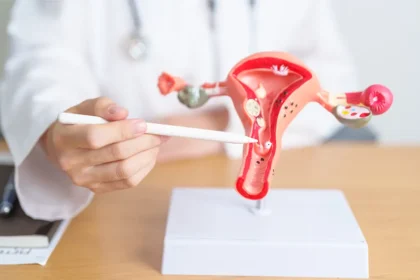



Navigating the transition out of reproductive years comes with significant hormonal shifts. This natural process can affect individuals differently; some may experience mild changes, while others may experience disruptions in sleep, mood, and physical comfort. Recognizing symptoms early can help in finding effective relief during menopause.
Understand Your Changing Body
The biological mechanisms behind menopause involve a gradual decrease in estrogen and progesterone production, which directly influences various bodily systems. You might notice irregular cycles before periods stop completely, or you may experience sudden waves of heat known as hot flashes. These physical changes are normal physiological responses to fluctuating hormone levels, but they can be managed with the right approach. By tracking these symptoms, you gain insight into your personal patterns and triggers.
Support Your Emotional Health
The emotional shifts during menopause are just as significant as the physical ones. Hormonal changes can affect neurotransmitters in the brain, potentially leading to irritability, anxiety, or sadness. It’s beneficial to recognize these feelings as valid physiological responses. Here are some strategies that may help support emotional well-being:
- Acknowledge your feelings: Understand that these emotional changes are a normal part of the menopausal transition, not personal shortcomings.
- Practice stress reduction: Techniques like mindfulness meditation and cognitive behavioral therapy (CBT) can help manage mood swings and anxiety.
- Build a support system: Connect with friends, family, or a professional counselor to share your experiences and navigate complex emotions.
Strengthen Daily Wellness Habits
Lifestyle modifications often provide the most accessible and immediate relief for many of the discomforts associated with this life stage. Regular physical activity helps regulate weight and improve sleep quality, while a balanced diet rich in calcium and vitamin D supports long-term bone health. Minor adjustments to your daily routine can yield significant long-term benefits for your overall well-being. Try implementing these adjustments to your daily routine:
- Prioritize sleep hygiene: Keep your bedroom cool and establish a consistent wind-down schedule.
- Stay hydrated: Drink water throughout the day to help regulate body temperature and reduce bloating.
- Limit stimulants: Reduce intake of caffeine and alcohol, especially in the evening, to prevent sleep disruption.
- Dress in layers: Wear breathable fabrics that can be easily removed during hot flashes.
Explore Safe Treatment Options
When lifestyle changes do not provide sufficient relief, medical interventions may be appropriate to discuss with a healthcare provider. Non-hormonal prescriptions and systemic hormone therapies are available, though the suitability of each depends entirely on individual health history and risk factors. A doctor can review your specific symptoms to determine the most prudent course of action. Always consult a qualified professional before starting any new supplement or medication regimen.
Take Control of Menopause
Managing this transition effectively can benefit from having a proactive stance toward your health. By combining lifestyle adjustments with emotional support and appropriate medical guidance, you can navigate menopause with confidence and stability. This phase of life offers an opportunity to prioritize self-care and establish healthy habits. Schedule an appointment with your healthcare provider today to discuss a personalized management plan.