


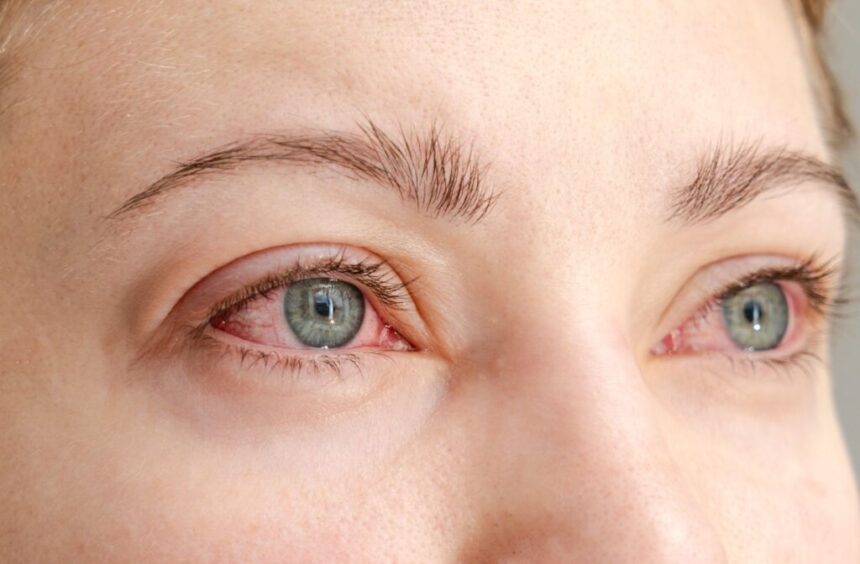
Watery eyes, itching, redness, these aren’t just signs of a long day or lack of sleep. For many people, they’re a direct result of allergies. While allergies are often associated with sneezing and nasal congestion, their impact on your eyes is just as frustrating. Known as allergic conjunctivitis, this condition occurs when allergens, such as pollen, dust, or pet dander, trigger an inflammatory response in the eyes. Let’s explore how allergies affect your eyes and vision and what you can do to find relief.
Allergy-related Eye Symptoms
Allergy-related eye symptoms manifest in several ways, often making simple tasks uncomfortable. A key symptom is itchy, watery eyes, which occur as the body reacts to allergens by releasing histamine. This response often leads to an urge to rub the eyes, which further increases irritation.
Redness and inflammation, caused by blood vessel dilation in the eyes and eyelids, are other common reactions. These symptoms may cause the eyes to appear swollen and feel sensitive when exposed to allergens. Burning sensations or gritty feelings in the eyes are also associated with allergic responses. Such irritations can be attributed to both external allergens and the natural immune response within the eye area. Temporary blurred vision may occur due to excessive tearing, which obscures the clarity of vision.
Allergy Triggers
Different allergens often produce similar symptoms, but identifying the specific triggers may help manage the effects of allergies. Seasonal allergies, such as those caused by pollen, often flare up during certain times of the year. Exposure to pollen from trees, grass, or weeds significantly influences eye irritation.
Dust-related allergies present unique challenges, as exposure often occurs indoors. Dust mites, a primary allergen in dust, may cause prolonged symptoms due to frequent contact with bedding, upholstery, and carpets. For individuals allergic to pets, proteins found in the skin, urine, or saliva of animals may result in eye irritation when handling or being near pets. These triggers are particularly challenging, as they remain a part of the domestic environment.
Managing Allergy-Related Eye Issues
Although allergens cannot be fully controlled, taking specific measures may reduce their impact on the eyes and vision. Using allergen-proof covers for pillows and mattresses is one practical step for minimizing exposure to dust mites. These barriers prevent mites and dust particles from infiltrating bedding materials and causing irritation.
Another helpful practice is to wash your hands frequently throughout the day. This reduces the likelihood of transferring allergens such as pet dander or dust to your eyes, which may lead to more discomfort or infection. For seasonal allergies, proactive measures such as keeping windows closed during high pollen times can minimize exposure.
Airborne pollen can exacerbate symptoms, especially during the spring and fall seasons. By creating an allergen-free indoor space, you can significantly reduce discomfort. Seeking advice from an eye care professional can help with tailored strategies to manage symptoms more effectively. While over-the-counter allergy drops are widely available, discussing prescription options or other medical interventions with a professional may provide relief.
Explore Allergy Injections for Allergies Today
Allergies affecting the eyes and vision often interfere with comfort and daily activities. Identifying common symptoms, understanding potential triggers, and implementing management strategies can improve outcomes for those experiencing persistent irritation. Reach out to an eye care specialist to explore tailored allergy injections as a treatment option for allergies.