

Menstrual cycles have an impact on daily routines and comfort, and they usually follow a predictable pattern. Disorders that cause irregular cycles can make it harder to anticipate symptoms and manage self-care. These conditions cause either physical discomfort or changes to what is typical for you. Recognizing the conditions that cause these disruptions, understanding their symptoms, and knowing when to reach out to a gynecology specialist can help you manage your health.
1. PCOS
Polycystic ovary syndrome (PCOS) is a common hormonal condition that affects the menstrual cycle. People with PCOS may notice irregular periods, missed cycles, or cycles that last significantly longer than usual. Additional symptoms include:
- Acne
- Abnormal hair growth
- Weight gain
- Skin tags
- Infertility
Some may find it challenging to predict when their next period will arrive, which interferes with daily planning. PCOS disrupts the cycle by causing an imbalance in hormones that are key to regular menstruation. Individuals may find that their bodies do not ovulate consistently, and this creates unpredictable or missed periods.
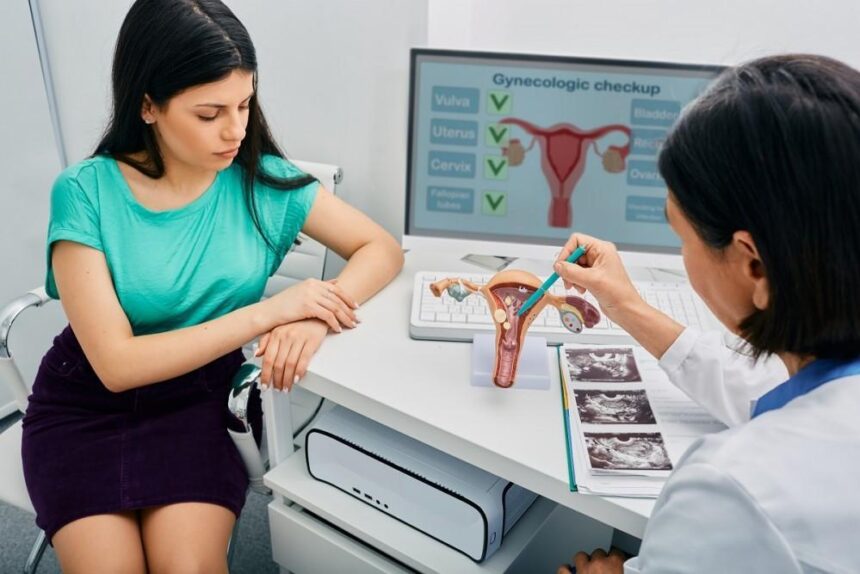
If you recognize these symptoms in yourself, a gynecology specialist offers helpful guidance. They will ask about your symptoms and cycle history, and they’ll contemplate lifestyle changes, symptom tracking, and additional options tailored to your needs. Early conversations give you tools for building a plan and gaining more control over your cycle.
2. Fibroids and Polyps
Fibroids and polyps are non-cancerous growths that may develop in the uterus. These are often small and unnoticed, but they sometimes lead to heavy periods or bleeding that lasts longer than expected. You might notice the need to change pads or tampons frequently or have period cramps that seem sharper or more intense than usual.
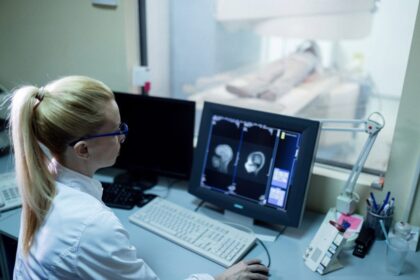
These growths interfere with the uterus’s normal lining, which causes your menstrual flow to become heavier or less predictable. Noticing a sudden change in your cycle, such as increased bleeding or pain, may indicate the presence of fibroids or polyps. Meet with a gynecologist if you observe these shifts. They can help you schedule imaging to determine the type and size of the growth. Based on your symptoms and individual needs, treatment options include watchful waiting or medications; minimally invasive procedures are also available to remove polyps.
3. Endometriosis
Endometriosis occurs when tissue that is similar to the uterine lining grows outside the uterus. This condition often results in periods accompanied by intense pain that may extend before or after your actual menstrual flow. Some individuals also notice spotting between periods or consistently uncomfortable pelvic sensations. Endometriosis can cause irregular cycles; this is because the tissue outside the uterus reacts to hormones each month, causing pain or bleeding. A gynecology specialist provides practical advice for tracking symptoms and making connections between pain patterns and your cycle.
Meet With a Gynecology Specialist
Menstrual disorders like PCOS, fibroids, polyps, and endometriosis each bring unique challenges. By paying close attention to changes and tracking symptoms, you establish the foundation for practical conversations with a gynecologist. Specialists listen and help you diagnose conditions using various methods, including blood testing and diagnostic imaging. If your cycles are unpredictable, cause pain, or limit your daily life, reach out for support today.