

Receiving a diagnosis for a labrum tear can bring up many questions about what comes next. An injury to this structure can affect movement and cause discomfort. Understanding the diagnosis and the path forward can help you navigate the recovery process with more clarity. Here is some information about what to expect after a labrum tear diagnosis.
What Is a Labrum Tear?
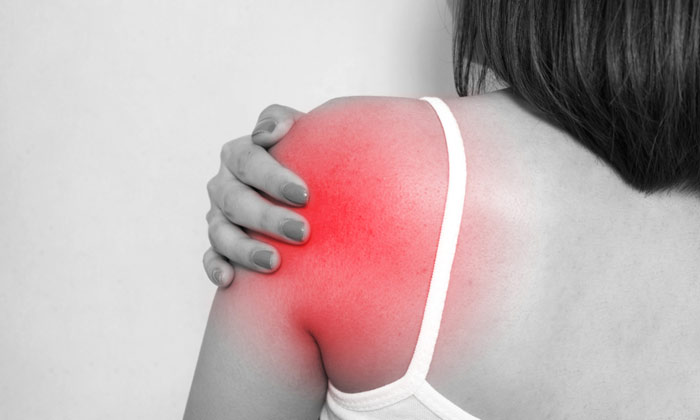
The labrum is a flexible, yet strong, piece of fibrocartilage. In the shoulder, it is called the glenoid labrum, and in the hip, it is the acetabular labrum. Its main functions are to absorb shock, lubricate the joint, and keep the head of the bone securely within the socket. A labrum tear occurs when this cartilage is ripped or damaged.
These injuries result from a variety of causes. Acute trauma, such as a fall or a direct blow to the joint, can lead to a tear. Repetitive motions from sports or occupational activities can also cause gradual wear and tear on the labrum, eventually leading to an injury. Structural abnormalities in the joint sometimes contribute to the problem. The specific symptoms often depend on the location and severity of the tear, but may include pain, a clicking or locking sensation, and reduced range of motion.
What Are Treatment Options?
Following a labrum tear diagnosis, a healthcare professional will discuss a plan tailored to your specific situation. The approach often depends on the type of tear, your activity level, and your overall health. Many treatment plans begin with nonsurgical methods to manage symptoms and improve joint function. Your provider may suggest one or more of the following approaches:
- Physical Therapy: A guided exercise program helps strengthen the muscles surrounding the joint. This increased strength may improve stability and support the joint during movement. Physical therapists can also guide you on modifying activities to avoid further irritation.
- Medications: Over-the-counter or prescribed anti-inflammatory medications may help reduce pain and swelling in the joint. This can make it easier to participate in physical therapy and daily activities.
- Injections: Corticosteroid injections delivered directly into the joint can provide temporary relief from pain and inflammation. This may create a window of opportunity to make progress with rehabilitative exercises.
In cases where nonsurgical treatments do not provide enough relief or for more severe tears, surgical repair might be discussed. The goal of surgery is to reattach the torn cartilage to the bone, restoring the joint’s stability. The specific surgical technique will depend on the nature of the injury.
How Long Is Recovery?
Recovery from a labrum tear varies significantly from person to person. Factors like the severity of the tear, treatment method, and your body’s healing response all play a role.
Nonsurgical Treatment
For those opting for nonsurgical treatment, recovery typically involves consistent physical therapy. Noticeable progress may be seen over several weeks or months with dedication to the program.
Surgical Recovery
If surgery is required, the process is more involved. The initial phase often includes immobilization to protect the repair, followed by guided movement and strength training with a physical therapist.
Returning to Full Activity
A full return to all activities, especially high-impact sports, may take several months. Sticking to your rehabilitation program is key to achieving the best outcome.
Consult a Specialist
Navigating a labrum tear diagnosis requires professional guidance. An orthopedic specialist or a sports medicine doctor can provide an accurate diagnosis and create a personalized treatment plan for you. They can answer your questions, explain the available options, and help you understand the recovery process. Schedule an appointment today.