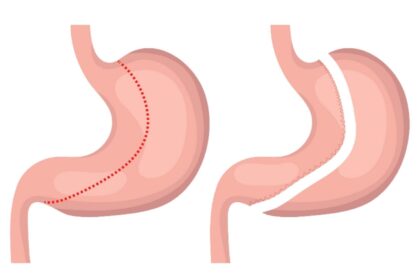



Medical weight loss is a comprehensive, supervised approach to managing weight that involves the expertise of healthcare professionals. These programs are tailored to each person and often include dietary changes, exercise recommendations, and behavioral counseling. Unlike commercial diet programs, medical weight loss places emphasis on the science behind weight management and the individual’s overall health profile. Here is some information about the connection between weight loss and improved quality of life:
Improves Physical Health
Physical health is a key area of change when someone follows a weight loss plan. Carrying excess weight puts additional pressure on your body, and it can cause discomfort in joints such as the knees, hips, and lower back. Losing weight frequently leads to reduced discomfort and a greater range of movement for many people. You may find it easier to engage in activities like walking and gardening. Tasks that once left you feeling winded or tired, such as taking the stairs or shopping for groceries, may become more manageable over time.
Better physical health also includes improvements in energy levels and stamina, allowing individuals to engage in hobbies or daily routines with greater ease. Individuals who have struggled with restless sleep or conditions such as sleep apnea may notice improvements, as healthy weight loss can positively impact sleep quality. Improvements in sleep often affect mood, focus, and overall quality of life throughout the day.
Alleviates Medical Conditions
Many common health concerns are closely connected to body weight. Conditions such as type 2 diabetes, high blood pressure, and high cholesterol are frequently linked to carrying excess pounds. While medical weight loss is not a cure, addressing weight as part of a broader health strategy may help individuals manage these conditions more effectively, and it can support long-term improvements in overall health. Individuals with diabetes sometimes see better blood sugar control as they adopt new eating and activity habits. Lower blood pressure and improved cholesterol readings are also common areas where positive changes may be observed.
Supports Long-Term Health
Focusing on long-term health is a cornerstone of medical weight loss programs. Various medications are available to help individuals manage the challenges of weight loss. Semaglutide mimics a natural hormone in the body called GLP-1 to regulate appetite and food intake, and B12 injections help boost energy levels and support metabolism. Medical professionals can tailor these treatments to your needs, offering support for achieving long-term weight loss and overall health improvement.
Weight loss specialists also aim to create lasting lifestyle changes that build a solid foundation for well-being. Educational components are central to this approach; you are supported in learning about nutrition, understanding food labels, and recognizing the role of regular activity. These programs provide practical tools, such as:
- Meal planning strategies
- Tips for making healthier food choices
- Developing routines that include regular exercise
- Helping you understand your relationship with food
Ask About Medical Weight Loss
A medically supervised weight loss program offers structure and guidance to help you navigate the challenges of changing habits. Healthcare providers help create a plan tailored to your personal health background and goals. These programs provide professional support to make sure your weight loss journey is safe and sustainable. Contact a weight loss specialist today to schedule a consultation.