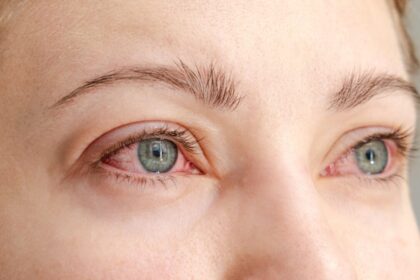



Migraine headaches can be debilitating, and they are often characterized by intense, throbbing pain, typically on one side of the head. Understanding their causes, symptoms, and treatment options is key to managing the condition. Here is more information on migraines, including lifestyle adjustments, such as maintaining a regular sleep schedule and avoiding triggers, as well as professional care options like medications:
What Is a Migraine?
A migraine is a neurological condition that causes intense, throbbing headaches, and it often affects one side of the head. These headaches are different from typical tension headaches due to their severity and accompanying symptoms, which can interfere with daily activities. A migraine episode can last for hours or even days, necessitating an effective management plan.
What Causes It?
The exact cause of migraines is not fully understood, but genetics and environmental factors may play a role. Certain triggers can provoke a migraine attack in susceptible individuals, so identifying these triggers is a key part of management. Common triggers include hormonal changes in women, certain foods and food additives, and changes in sleep patterns. Individuals may find that specific sensory stimuli, such as bright lights or strong smells, trigger migraines, while others are sensitive to changes in weather or barometric pressure.
What Are the Symptoms?
Symptoms may occur in stages, including prodrome, aura, attack, and post-drome. The prodrome phase begins up to 24 hours before the headache, and it involves subtle changes, such as trouble sleeping. Some individuals experience an aura before or during a migraine, characterized by visual disturbances such as flashes of light.
The attack phase is characterized by the headache itself, which is often pulsing or throbbing. It can be accompanied by nausea, vomiting, and extreme sensitivity to light and sound. Following the attack, the post-drome phase may leave a person fatigued and experiencing neck stiffness.
What Lifestyle Changes Can Help?
Managing migraines involves making specific lifestyle adjustments to reduce the frequency and severity of attacks. Maintaining a regular sleep schedule and eating meals at consistent times help regulate the body’s systems, and this may prevent some migraine episodes. Regular, gentle exercise such as walking or yoga helps reduce tension and contributes to overall well-being.
Identifying and avoiding personal dietary triggers is another practical step, and keeping a food diary can be beneficial. Incorporating mindfulness practices such as meditation or deep breathing into a daily routine may offer benefits. Consulting a professional helps determine what changes to make to a migraine management plan.
How Is Professional Care Beneficial?
When lifestyle changes are insufficient, professional medical care offers additional options for migraine management. A neurologist provides a precise diagnosis and develops a personalized treatment plan, and this may include prescription medications. Medications can be preventive, taken regularly to reduce the frequency of attacks, or abortive, taken at the first sign of a migraine to stop it from progressing.
For chronic migraines, BOTOX injections are a treatment option that may reduce headache frequency. A specialist can determine if this is a suitable choice. Consulting with a healthcare provider allows for a thorough evaluation of symptoms, and it provides access to advanced treatments tailored to individual needs.
Find Relief Today
Migraines are a complex condition with a variety of triggers and symptoms, but effective management is possible. By understanding the condition and exploring both lifestyle modifications and professional treatments, you may find relief. If you are experiencing symptoms, seeking professional guidance can provide you with a comprehensive plan to manage your health.