
DigitalConnectMag.Com
  • Home
  • Technology
  • Business
  • Health
    • General Health
    • Dentistry
    • Women Health
    • Cardiology
    • Mental Health
    • Gynecology
    • Pain Management
  • Finance
  • Law
  • About Us
  • Contact Us
Reading: Natural Remedies and Lifestyle Changes for Hemorrhoids
Share
DigitalConnectMag.ComDigitalConnectMag.Com
Aa
  • Home
  • Contact Us
  • About Us
  • Privacy Policy
Search
  • Home
  • Dentistry
  • Women Health
  • Cardiology
  • Mental Health
  • Gynecology
  • Pain Management
Have an existing account? Sign In
Follow US
© Foxiz News Network. Ruby Design Company. All Rights Reserved.
Health

Natural Remedies and Lifestyle Changes for Hemorrhoids

Oliver
Last updated: 2025/09/24 at 1:33 PM
Oliver
Share
4 Min Read
Lifestyle Changes for Hemorrhoids
SHARE

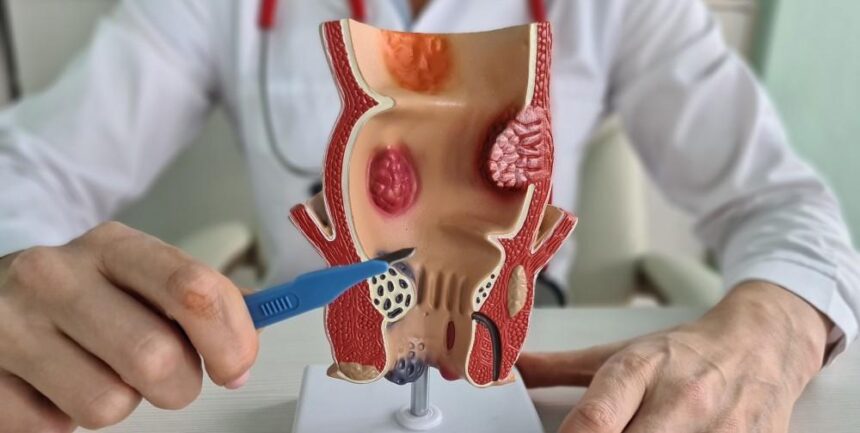
Hemorrhoids develop when veins in the lower rectum and anus swell. This condition often causes discomfort, and people can address it by combining natural remedies with lifestyle adjustments. Understanding supportive strategies and gradually making specific changes to daily routines allows individuals to manage ther symptoms, including pain and itching. Here are some natural remedies and lifestyle changes for hemorrhoids:

Contents
Modifying Diet To Encourage Bowel HealthAdjusting Daily Routines for ComfortUsing Topical Techniques for Soothing ReliefSeeking Medical Input When Symptoms PersistVisit a Hemorrhoids Specialist

Modifying Diet To Encourage Bowel Health

Diet plays a key role in promoting digestive regularity and maintaining stool consistency. Individuals experiencing hemorrhoidal discomfort may benefit from adjusting their typical dietary choices to alleviate strain during bowel movements. Increasing fiber intake remains a fundamental recommendation.

Fiber adds bulk and softens stool; this streamlines its passage through the digestive tract and lessens the effort during elimination. Rich sources of both soluble and insoluble fiber include vegetables, fruits, whole grains, and legumes. It is helpful to gradually add more high-fiber foods to meals, which may reduce the likelihood of gas or bloating. Adequate hydration is equally fundamental for managing hemorrhoids. Consuming plenty of water allows fiber to work effectively by softening stool and promoting regularity.

Adjusting Daily Routines for Comfort

Modifying daily activities supports both rectal health and overall comfort. Regular movement aids the digestive system and can prevent constipation, which often aggravates symptoms. Choose activities like walking, swimming, or yoga to promote gentle bowel regularity. These forms of exercise help prevent excessive strain on the anal region, and they create a supportive environment for healing.

Long periods of sitting, especially on hard surfaces, add pressure to the veins around the anus and rectum. For those who sit at a desk throughout the day, taking scheduled breaks to stand or walk can help mitigate added pressure. Altering bathroom habits is another fundamental strategy. Avoid delaying bowel movements; holding off the urge can lead to harder, drier stools and increase difficulty during elimination. During toilet use, refrain from straining or lingering, as both actions put unnecessary pressure on sensitive tissues.

Using Topical Techniques for Soothing Relief

Natural, gentle methods provide localized comfort for hemorrhoidal symptoms such as itching or irritation. Practicing regular sitz baths, which involve sitting in several inches of warm water for several minutes, may be helpful. A bathtub or a specialized sitz bath kit fits this purpose. After soaking, gently pat the area dry; rubbing could lead to further irritation.

Cold compresses or ice packs, wrapped in a soft cloth, present another approach for reducing swelling or numbing sensitive areas. Using moist towelettes or wet toilet paper can be less irritating following a bowel movement than traditional dry paper. When selecting wipes, choose fragrance-free and alcohol-free products to help minimize further irritation.

Seeking Medical Input When Symptoms Persist

For mild cases, following at-home guidelines can provide sufficient support, but it’s key to contact a healthcare provider for persistent or severe symptoms. Professional input promotes an accurate assessment and helps identify other possible causes when discomfort does not resolve with self-care measures. Bleeding, significant pain, or a lack of improvement all indicate scenarios where professional evaluation may be beneficial. Healthcare providers help tailor care to each individual’s unique situation and discuss options informed by clinical expertise.

Visit a Hemorrhoids Specialist

While hemorrhoids may cause substantial discomfort, natural remedies and targeted lifestyle changes are often helpful for everyday symptom management. Focusing on diet, activity, soothing routines, and knowing when to seek professional input enables individuals to address this issue in a practical, guided manner. If symptoms remain troublesome, contact a healthcare provider for tailored, evidence-based advice.


You Might Also Like

Get Clear Legal Guidance for Stronger, Safer Decisions

Tailoring Treatment: Four Key Factors to Consider When Using Custom Medications

The Role of Orthopedics in Managing Joint Disorders

Understanding When You Need Hip Replacement Surgery

How to Safely Return to Sports After an Injury

Share This Article
Facebook Twitter Email Print
Leave a comment Leave a comment

Leave a Reply Cancel reply

Your email address will not be published. Required fields are marked *

New Releases

- Advertisement -
Ad image

Trending Stories

Invisalign
Dentistry

How Invisalign Can Improve Your Smile

July 3, 2025
Dentistry

What is Preventive Dentistry? Benefits and Best Practices

June 30, 2025
Dentistry

SOC2 Type II audit schedule preparing your team for the initial months

October 12, 2025
Health

What To Expect During the Dental Crown Procedure Step-by-Step

November 1, 2025
High Cholesterol and Heart Disease
Cardiology

The Connection Between High Cholesterol and Heart Disease

August 5, 2025
Healthy teeth and gums help you eat, speak, and smile with ease. Yet many people wait for pain before seeing a dentist. Is that the best way to care for your mouth? Preventive care focuses on stopping problems before they grow. With the right habits and routine visits, you can avoid many common issues. Simple steps taken early can protect your teeth for years. This guide shares expert tips to improve oral health through daily care, smart choices, and early checks that support long-term wellness. Build Strong Foundations With Routine Dental Visits Regular dental visits are the basis of good oral health. Dentists clean areas that brushing may miss and remove plaque before it hardens. These visits also help spot small problems early, when they are easier to treat. Cleanings keep gums healthy and reduce bad breath. Routine care builds trust with your provider and helps you feel at ease. Over time, these visits support strong teeth and fewer surprises. Practice Daily Habits That Protect Teeth and Gums Daily habits play a big role in oral wellness. Brushing twice a day removes food and plaque that cause decay. Flossing helps clean between teeth where brushes cannot reach. Using fluoride toothpaste adds extra protection to enamel. Drinking water also helps wash away sugars. Small actions done well make a real difference and support a healthy smile. Use Early Detection to Prevent Bigger Problems Early detection helps stop minor issues from turning serious. Dentists check for cavities, gum disease, and signs of wear. They may also spot changes in the mouth that need quick care. Finding problems early often means simpler treatment and lower costs. It also reduces stress and discomfort. Regular checks give peace of mind and protect long-term oral health. Choose Quality Care That Fits Your Needs Quality care goes beyond tools and machines. Look for providers who explain options in clear, simple words. They should listen to concerns and answer questions with patience. Clean spaces and clear safety steps also matter. Sometimes, a single day is all it takes to get the quality care you need when you visit or choose the right dental team. When care feels personal, people are more likely to return and stay consistent. Support Long-Term Wellness With Smart Choices Oral health connects to overall wellness. Eating less sugar helps prevent decay and gum issues. Avoiding tobacco protects gums and lowers health risks. Wearing mouth guards during sports prevents injury. These smart choices support teeth for the long run. Preventive care is not one step but a lifestyle built on steady, healthy decisions. Start Improving Your Oral Health With These Expert Preventive Care Tips Now Improving oral health does not need to be hard or confusing. Preventive care focuses on routine visits, daily habits, and early checks that protect your smile. When problems are found early, treatment is often easier and less costly. Choosing quality care builds trust and keeps you informed. Smart choices at home also support long-term wellness. Together, these steps help maintain healthy teeth and gums for years, leading to comfort, confidence, and better overall health. For more helpful tips, be sure to read other articles on different topics across our blog.
Dentistry

Improve Oral Health With Expert Preventive Care Tips

December 26, 2025

Follow US on Social Media

Facebook Youtube Steam Twitch Unity
DigitalConnectMag.Com
  • Contact Us
  • About Us
  • Privacy Policy
Welcome Back!

Sign in to your account

Lost your password?